Amazon without the knockoffs
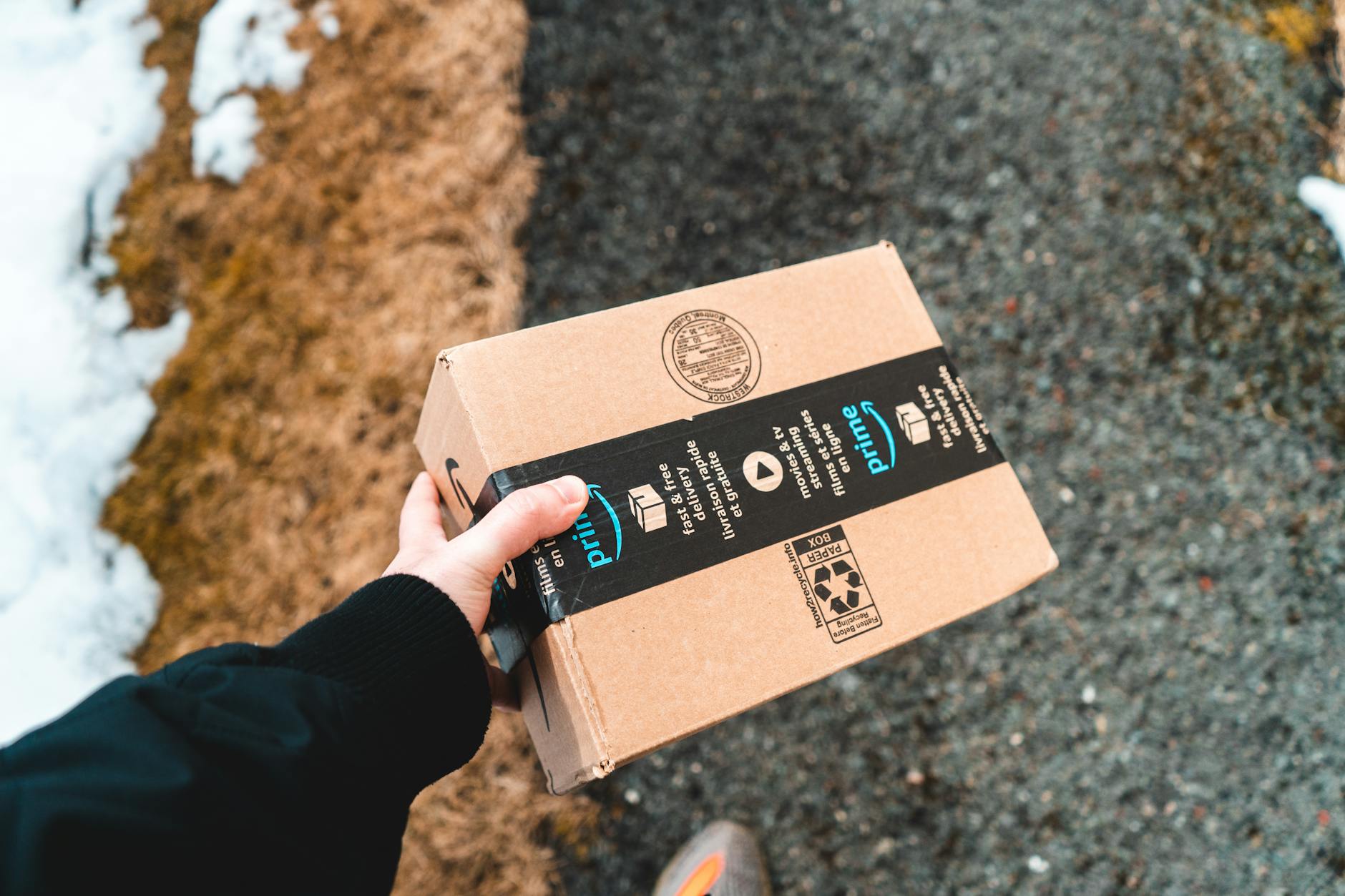
Amazon. The everything store. It’s convenient, often offers competitive pricing, and delivers almost anything you could want right to your doorstep. But beneath the surface of convenience lies a growing problem: counterfeit goods. These aren't just low-quality imitations; they represent a risk to your finances, your safety, and potentially even your identity. This article will guide you through identifying, avoiding, and dealing with counterfeit products on Amazon, protecting your hard-earned money in the process.
The Counterfeit Crisis on Amazon
The sheer scale of Amazon makes it a prime target for counterfeiters. The platform hosts millions of third-party sellers, and while Amazon has made efforts to combat fakes, it’s a constant uphill battle. The problem impacts nearly every category, from electronics and clothing to health & beauty and even baby products.
Think about it: a “brand name” Bluetooth speaker costing significantly less than the official retail price. A luxury handbag with suspiciously low quality stitching. These are red flags.
Why is this happening? Several factors contribute to the problem:
- High Volume: The enormous volume of products sold on Amazon makes manual vetting difficult.
- Third-Party Sellers: Many listings are from independent sellers, some operating from overseas with little oversight.
- Sophisticated Counterfeiters: Counterfeiters are becoming more sophisticated in their ability to create convincing imitations and evade detection.
- Profit Motive: The potential for high profits drives the creation and sale of counterfeit goods.
The Financial Risks of Buying Fakes
Beyond simply receiving a subpar product, buying counterfeits carries several financial risks:
- Wasted Money: You're paying for something that isn't what it claims to be. The value you receive is far less than what you paid.
- Security Risks: Counterfeit electronics often lack safety certifications and can pose fire or electrical hazards. Think about a phone charger that doesn’t meet safety standards – it could damage your device or even start a fire.
- Identity Theft: Fake products, particularly in categories like cosmetics and personal care, could contain harmful ingredients or be vehicles for malicious software (though less common, it's a growing concern).
- Hidden Fees: Trying to return a counterfeit item can be a hassle, and you might end up paying return shipping costs, even if the item is demonstrably fake.
- Credit Card Fraud: While Amazon's A-to-z Guarantee helps, dealing with fraudulent sellers can be time-consuming and sometimes requires involving your credit card company.
How to Spot a Counterfeit on Amazon: A Checklist
So, how do you protect yourself? Here’s a comprehensive checklist to help you identify potential counterfeits before you buy:
- Price Too Good to Be True: This is the biggest red flag. If a price seems significantly lower than other retailers, be skeptical. Compare prices across multiple sources.
- Seller Reputation: Check the seller's ratings and reviews. A new seller with few reviews or consistently negative feedback should raise concerns. Look for sellers with high ratings and a large number of reviews. (Image suggestion: Screenshot of an Amazon seller profile showing ratings and feedback.
- Product Description: Read the description carefully. Look for grammatical errors, vague language, or inconsistencies. Legitimate brands typically have detailed and accurate product descriptions.
- Product Images: Are the images blurry, low-resolution, or stock photos? Authentic products usually have high-quality, clear images showcasing the item from multiple angles.
- Brand Registry: Look for the "Brand Registered" badge on the listing. This indicates Amazon has verified the seller's connection to the brand.
- A-to-z Guarantee: Always check if the product is eligible for Amazon’s A-to-z Guarantee. This provides some protection if you receive a counterfeit item.
- Reviews – Read Carefully: While helpful, be aware that reviews can be faked. Look for verified purchase reviews and pay attention to details. Are the reviews generic or do they mention specific features and experiences? (Image suggestion: Screenshot of Amazon product reviews, highlighting verified purchase reviews.
- Packaging Quality: When the item arrives, inspect the packaging. Is it damaged, flimsy, or lacking the brand's usual packaging?
Specific Category Considerations
The types of counterfeits vary by category. Here's what to look for in a few common areas:
- Electronics: Counterfeit chargers, headphones, and cables are prevalent. Check for safety certifications (e.g., UL, CE) and look for official branding on the product and packaging. https://example.com/ (Link to a highly-rated, officially branded phone charger)
- Clothing & Accessories: Fake designer handbags, shoes, and apparel often have poor stitching, inferior materials, and inaccurate logos. Pay attention to details and compare to official brand images.
- Health & Beauty: Counterfeit cosmetics and skincare products can contain harmful ingredients. Buy only from authorized sellers and check for tamper-evident seals.
- Toys & Games: Fake toys can be unsafe due to low-quality materials and lack of safety testing. Stick to well-known brands and reputable sellers.
What To Do If You Suspect a Counterfeit
Okay, you've purchased something and now suspect it's a fake. Here's what to do:
- Contact the Seller: Attempt to contact the seller and explain your concerns. Give them a chance to resolve the issue.
- Report to Amazon: Report the listing to Amazon. Use the "Report a Product Concern" link on the product page. Provide as much detail as possible.
- File an A-to-z Guarantee Claim: If the seller doesn't respond or you're unsatisfied with their response, file an A-to-z Guarantee claim with Amazon.
- Contact Your Credit Card Company: If Amazon doesn’t resolve the issue, dispute the charge with your credit card company.
- Report to the Brand: If you suspect a counterfeit of a specific brand, report it directly to the brand’s customer service department.
Protecting Your Finances Beyond Amazon
Avoiding counterfeits isn't just about shopping smart on Amazon. It's about proactive financial security. Consider these steps:
- Credit Monitoring: Regularly monitor your credit report for any signs of fraud. A credit monitoring service can alert you to suspicious activity.
- Strong Passwords: Use strong, unique passwords for all your online accounts, including Amazon.
- Two-Factor Authentication: Enable two-factor authentication (2FA) on your Amazon account for an extra layer of security.
- Be Wary of Phishing Scams: Be cautious of emails or messages asking for your personal or financial information.
Amazon's Efforts and What's Next
Amazon is taking steps to combat counterfeits, including:
- Project Zero: A program that uses machine learning and data analysis to proactively identify and remove counterfeit listings.
- Brand Registry: Allows brands to register their trademarks and have more control over their product listings.
- Increased Enforcement: Amazon claims to be increasing its enforcement efforts against counterfeiters.
However, the fight against counterfeits is ongoing. As technology evolves, so too will the tactics of counterfeiters.
Ultimately, the responsibility to protect yourself rests with you, the consumer. By being vigilant, informed, and proactive, you can navigate Amazon safely and avoid becoming a victim of counterfeit fraud, safeguarding your finances and ensuring you get the genuine products you deserve. (Image suggestion: A person carefully inspecting a product package.
Disclaimer:
This article contains affiliate links. If you purchase a product through one of these links, I may receive a small commission. This does not affect the price you pay. I recommend products based on my research and expertise, and only include links to products I believe offer value. I am not a financial advisor, and this information is for general guidance only. Always conduct your own research before making financial decisions.