Amazon workers under pressure to up their AI usage are making up tasks
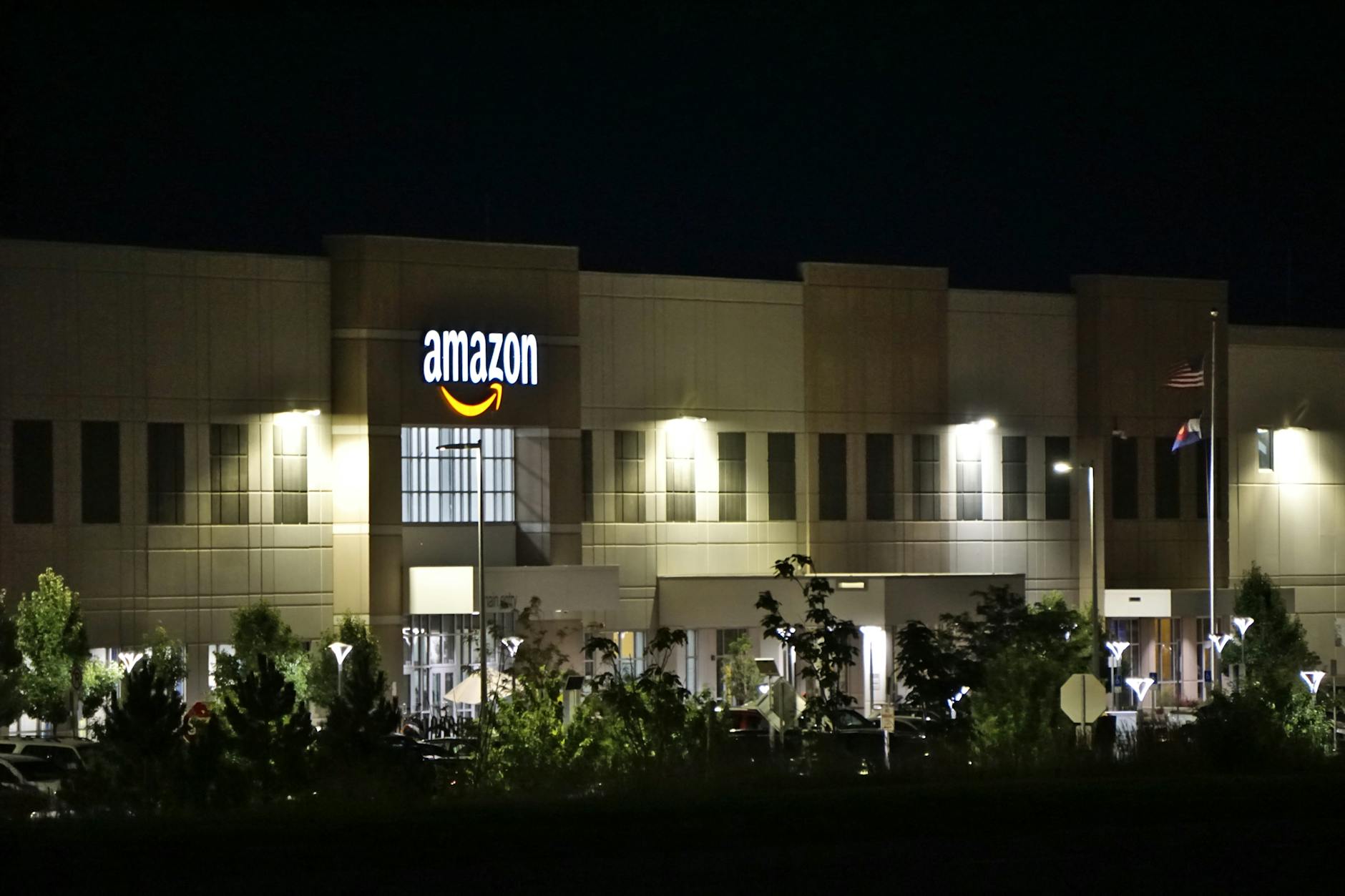
Amazon, the e-commerce behemoth, is locked in a relentless pursuit of efficiency. A cornerstone of this drive is the increasingly aggressive implementation of Artificial Intelligence (AI) across its vast operations – from warehouse logistics to delivery routes and even monitoring worker productivity. But a troubling trend is emerging: reports of Amazon workers feeling pressured to simulate activity for AI systems, effectively making up tasks just to meet algorithmic demands. This isn't just a story about worker exploitation; it’s a growing financial risk for Amazon and, potentially, its investors.
The Pressure Cooker: AI-Driven Metrics & the Demand for “Perfect” Performance
For years, Amazon has been known for its demanding performance metrics. However, the introduction of AI has amplified this pressure exponentially. AI systems are used to monitor everything from “time off task” (TOT) – essentially, how long a worker isn’t actively engaged in a billable activity – to the number of items packed per hour. These metrics are then used to evaluate performance, determine raises, and even dictate termination.
The core issue isn’t the existence of metrics, but the rigidity and perceived unfairness of those driven by AI. Workers report that the AI often fails to account for real-world complexities – delays in receiving materials, unexpected technical glitches, or simply the need for brief rest periods.
This leads to a perverse incentive: workers are actively encouraged (sometimes implicitly, sometimes explicitly) to “game” the system. This manifests in several ways:
- Creating Phantom Tasks: Reporting completion of work that wasn’t actually done.
- Artificially Inflating Activity: Repeatedly scanning items or clicking buttons to appear busy.
- Circumventing Safeguards: Finding ways to trick the AI into registering activity when none exists.
- Working Through Breaks: Sacrificing legally mandated breaks to maintain a consistent stream of reported activity.
The Financial Implications: Beyond Just Labor Costs
At first glance, this might seem like a problem limited to labor relations. However, the financial consequences of "fake work" are far-reaching and potentially substantial. Here's a breakdown of the key risk areas:
- Inflated Productivity Data: Amazon uses these metrics to justify investments in further automation. If the baseline data is flawed due to fabricated activity, investments may be misdirected, leading to inefficient deployments of capital. Imagine investing in a new robotic packing system based on the premise that current packing rates are X, when the reality is significantly lower.
- Supply Chain Inaccuracies: If workers are falsifying completion reports, it throws off inventory management. This can lead to stockouts, delayed deliveries, and ultimately, lost sales. A compromised supply chain also directly impacts Amazon’s ability to maintain its Prime shipping promises, eroding customer trust.
- Increased Fraud Risk: The willingness to circumvent systems for performance metrics opens the door to more significant fraudulent activities. If workers are comfortable fudging numbers for small tasks, what prevents them from exploiting larger financial loopholes?
- Potential Legal Liabilities: The practice of driving workers to fabricate data could be interpreted as coercion or even fraud, opening Amazon up to lawsuits and regulatory scrutiny. Labor laws regarding breaks and working conditions are also likely being violated.
- Impact on Stock Performance (AMZN): A major scandal involving systematic misreporting of data could significantly damage investor confidence, leading to a decline in Amazon’s stock price. Investors are increasingly scrutinizing ESG (Environmental, Social, and Governance) factors, and this falls squarely into the ‘Social’ category.
The Role of AI: A Double-Edged Sword
The irony is that AI, intended to optimize efficiency, is arguably creating inefficiency through this pressure. The focus on quantitative metrics, without sufficient qualitative oversight, is the core problem. AI systems are good at identifying patterns, but they lack the context and judgment of a human supervisor.
Furthermore, the complexity of AI systems can exacerbate the problem. Workers often don't understand how the AI is measuring their performance, making it difficult to address perceived inaccuracies. This lack of transparency breeds distrust and encourages workarounds.
Here's a table summarizing the key issues:
| Issue | Description | Financial Impact |
|---|---|---|
| Fake Work | Workers fabricating tasks to meet metrics | Inflated productivity data, misallocation of capital |
| Supply Chain Distortion | Inaccurate inventory reports | Stockouts, delayed deliveries, lost sales |
| Increased Fraud | Erosion of ethical boundaries | Potential financial losses, legal liabilities |
| Legal Risks | Violations of labor laws, coercion claims | Lawsuits, regulatory fines, reputational damage |
| Investor Confidence | Negative perception of company practices | Potential stock price decline (AMZN) |
What’s Being Done – and What Needs to Change?
Reports of these issues are starting to gain traction in the media, and Amazon has begun to respond. The company has stated it is investigating the claims and taking steps to address worker concerns. However, critics argue that these measures are insufficient.
Genuine solutions require a fundamental shift in approach:
- Human-Centric AI: AI systems should be designed to assist workers, not simply monitor and control them. This means incorporating feedback mechanisms, providing clear explanations of how metrics are calculated, and allowing for human override when necessary.
- Focus on Quality, Not Just Quantity: Metrics should prioritize the quality of work, not just the speed. This could involve incorporating customer feedback, error rates, and other measures of effectiveness.
- Empowered Supervisors: Supervisors need to be empowered to challenge AI-driven assessments and advocate for their teams. This requires training and support to navigate the complexities of AI systems.
- Increased Transparency: Amazon needs to be more transparent about how its AI systems work and how they are used to evaluate performance.
- Independent Audits: Regular, independent audits of AI systems and performance metrics are crucial to identify and address potential biases and inaccuracies.
The Implications for Investors
The situation at Amazon serves as a cautionary tale for investors in companies heavily reliant on AI. While AI offers tremendous potential for increasing efficiency and profitability, it also carries significant risks.
Investors should be asking critical questions:
- How is the company ensuring the accuracy and fairness of its AI-driven metrics?
- What safeguards are in place to prevent employees from “gaming” the system?
- How is the company addressing the ethical implications of AI deployment?
- Is the company prioritizing long-term sustainability over short-term gains?
Staying informed about these issues is crucial for making sound investment decisions. Consider subscribing to a reputable financial newsletter that covers technology and labor trends. Understanding the risks associated with AI implementation is just as important as understanding the potential rewards.
Protecting Yourself: Financial Preparedness
The possibility of market volatility related to these issues at Amazon highlights the importance of a diversified investment portfolio and a long-term financial plan. Tools like robo-advisors can help manage risk and optimize your investments. https://example.com/ (Consider a relevant financial planning book available on Amazon).
Disclaimer: This article contains affiliate links. If you purchase a product or service through these links, we may receive a small commission. This does not affect the price you pay. We strive to provide unbiased and informative content, and our recommendations are based on our own research and analysis. We are not financial advisors, and this article is not financial advice. Consult with a qualified financial professional before making any investment decisions.