AMD silently removes memory encryption from consumer Ryzen CPUs
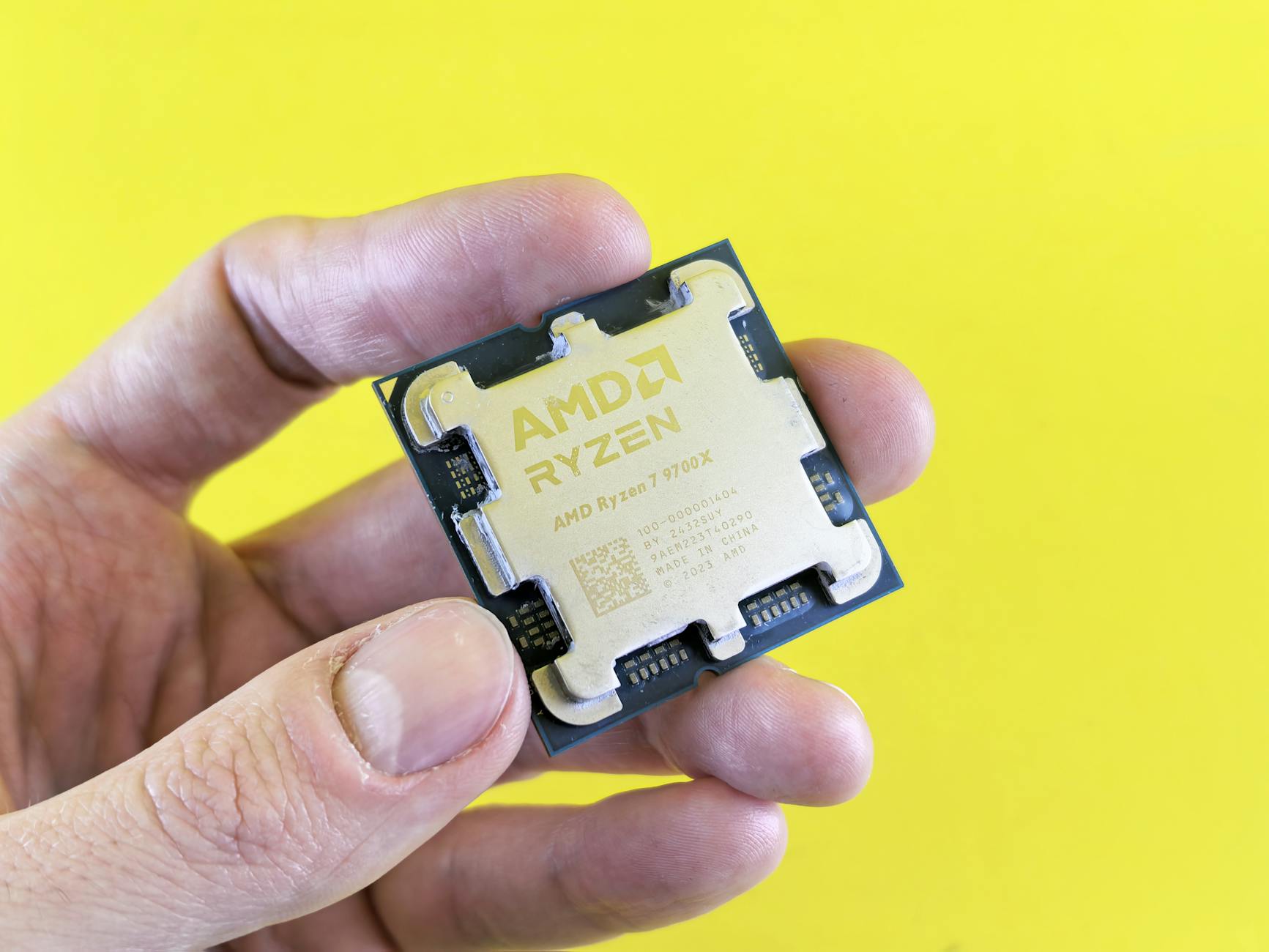
AMD recently made a quiet, yet significant, change to its Ryzen processor lineup. They’ve removed Secure Memory Encryption (SME) and Secure Encrypted Virtualization (SEV) from consumer-grade Ryzen CPUs. This move, while potentially aimed at simplifying manufacturing and boosting performance, carries implications for data security – and ultimately, your financial well-being. Let’s delve into what’s happened, why it matters, and what you can do about it.
What Were SME and SEV, and Why Did They Exist?
Secure Memory Encryption (SME) and its enhanced version, Secure Encrypted Virtualization (SEV), were security features introduced with AMD's Ryzen processors. They aimed to protect sensitive data from physical attacks and certain software-based exploits.
- SME: Encrypted system memory, making it harder for attackers with physical access to your machine to extract information – think about a lost laptop or a compromised server.
- SEV: Extended SME to virtual machines, isolating them from the host system and other VMs. This was particularly important in cloud computing environments, ensuring that one customer’s data remained safe even if the host infrastructure was compromised.
These technologies weren’t about protecting you from standard malware or phishing attacks. They were a defense against more sophisticated threats – things you wouldn't typically encounter as a home user, but which pose a real risk to businesses, government agencies, and individuals handling extremely sensitive information. They added a layer of encryption at the memory level, a crucial point of vulnerability.
The Change: Which CPUs Are Affected?
The removal affects Ryzen 7000 series and beyond – meaning the CPUs powering most newly built or recently purchased PCs. Specifically, it appears that AMD has removed the security co-processor needed for these features from the silicon itself. It's not a software disable, meaning it cannot be re-enabled through BIOS updates.
Here's a breakdown:
- Ryzen 5000 and older: Retain SME/SEV functionality.
- Ryzen 7000 (Zen 4) and newer: Lack SME/SEV support. This includes the Ryzen 7600X, 7900X, 7950X, and all subsequent releases like the 8000 series.
The change was initially discovered by tech enthusiasts and confirmed by AMD representatives, who framed it as a streamlining effort to improve CPU availability and potentially enhance performance by removing the complexity of the security co-processor. However, the lack of transparency surrounding the decision has raised concerns within the security community.
**(Image suggestion: A split image. One side shows a Ryzen 5000 CPU with a "Secure" badge. The other side shows a Ryzen 7000 CPU with a "No Security" badge.
Why Should You, as a Finance-Minded Individual, Care?
You might be thinking, “I’m not a data center or a government agency; why does this matter to me?” The answer lies in the increasing prevalence of data breaches and the growing importance of protecting your personal and financial information.
Here’s how the removal of SME/SEV can indirectly affect your finances:
- Increased Risk of Identity Theft: While not a direct consequence, weakening data security across the board makes it easier for malicious actors to steal your personal information, leading to identity theft and financial fraud.
- Compromised Financial Data: If you store sensitive financial information on your computer – account numbers, investment details, tax returns – the lack of memory encryption increases the risk of it being compromised if your machine is physically lost or stolen.
- Ransomware Attacks: Though SME/SEV aren’t a direct defense against ransomware, a more secure system is generally harder to penetrate, reducing your overall risk.
- Diminished Trust and Potential Costs: Data breaches can lead to legal costs, fines, and reputational damage – especially for small businesses that rely on customer trust. While this impacts businesses more directly, it underscores the broader erosion of trust in the digital ecosystem.
- Resale Value Impacts: As security awareness grows, older Ryzen CPUs with SME/SEV might hold their resale value better, or even command a premium, compared to newer models without these features. If you frequently upgrade your PC, this is something to consider.
Is Your Data Immediately at Risk?
Not necessarily. The removal of SME/SEV doesn’t suddenly render your Ryzen 7000 series PC vulnerable to every possible attack. Existing security measures – strong passwords, antivirus software, firewalls, and safe browsing habits – still provide significant protection.
However, it does remove a valuable layer of defense, particularly against physical attacks and certain advanced exploits. The risk is higher for those handling exceptionally sensitive data or operating in high-threat environments.
What Alternatives Do You Have?
While you can’t retroactively add SME/SEV to a Ryzen 7000 or newer CPU, here are some steps you can take to mitigate the risks:
- Full Disk Encryption (FDE): Use a robust FDE solution like BitLocker (Windows) or LUKS (Linux). This encrypts your entire hard drive, protecting your data even if the drive is physically removed. https://example.com/ – Consider a fast NVMe SSD to minimize the performance impact of FDE.
- Strong Passwords and Multi-Factor Authentication (MFA): These are fundamental security practices. Use a password manager and enable MFA wherever possible.
- Keep Your Software Up-to-Date: Regularly update your operating system, drivers, and applications to patch security vulnerabilities.
- Be Wary of Phishing Attacks: Train yourself to recognize and avoid phishing emails and malicious websites.
- Consider a Different CPU (for future builds): If security is paramount, consider sticking with older Ryzen generations (5000 or earlier) that support SME/SEV.
- Virtualization with Enhanced Security: If you rely on virtual machines, explore virtualization platforms that offer their own encryption layers, independent of the CPU's SME/SEV capabilities.
**(Image suggestion: An illustration showing a computer surrounded by security icons: padlock, shield, firewall, encryption key.
The Financial Implications for Businesses
For businesses, the removal of SEV is a more significant concern. SEV was a key feature for securing virtualized environments in the cloud and on-premises data centers. Without it, businesses may need to:
- Invest in alternative security solutions: This could include hardware security modules (HSMs) or more sophisticated encryption software.
- Review their cloud provider’s security practices: Ensure their cloud provider offers adequate protection for sensitive data.
- Re-evaluate their risk assessment: Update their risk assessments to account for the increased vulnerability.
- Potentially increase insurance premiums: Cybersecurity insurance providers may increase premiums for businesses without adequate memory encryption.
AMD’s Response and Future Outlook
AMD has largely maintained that the removal of SME/SEV was a necessary trade-off to improve CPU availability and performance. They have also stated that they are exploring other security technologies to address the concerns raised by the community. However, the lack of a clear roadmap for future security enhancements is unsettling for many.
The incident highlights the importance of transparency in the semiconductor industry. Consumers and businesses need to be informed about the security implications of hardware choices. It also raises questions about the prioritization of features – is performance always more important than security?
**(Image suggestion: A photo of an AMD Ryzen processor chip.
Disclaimer
This article contains affiliate links. If you purchase a product through these links, we may receive a commission at no extra cost to you. This helps support our website and allows us to continue providing helpful content. We are not financial advisors and this article is for informational purposes only. Please consult with a qualified professional for financial advice.