America's Expanding Domestic Surveillance
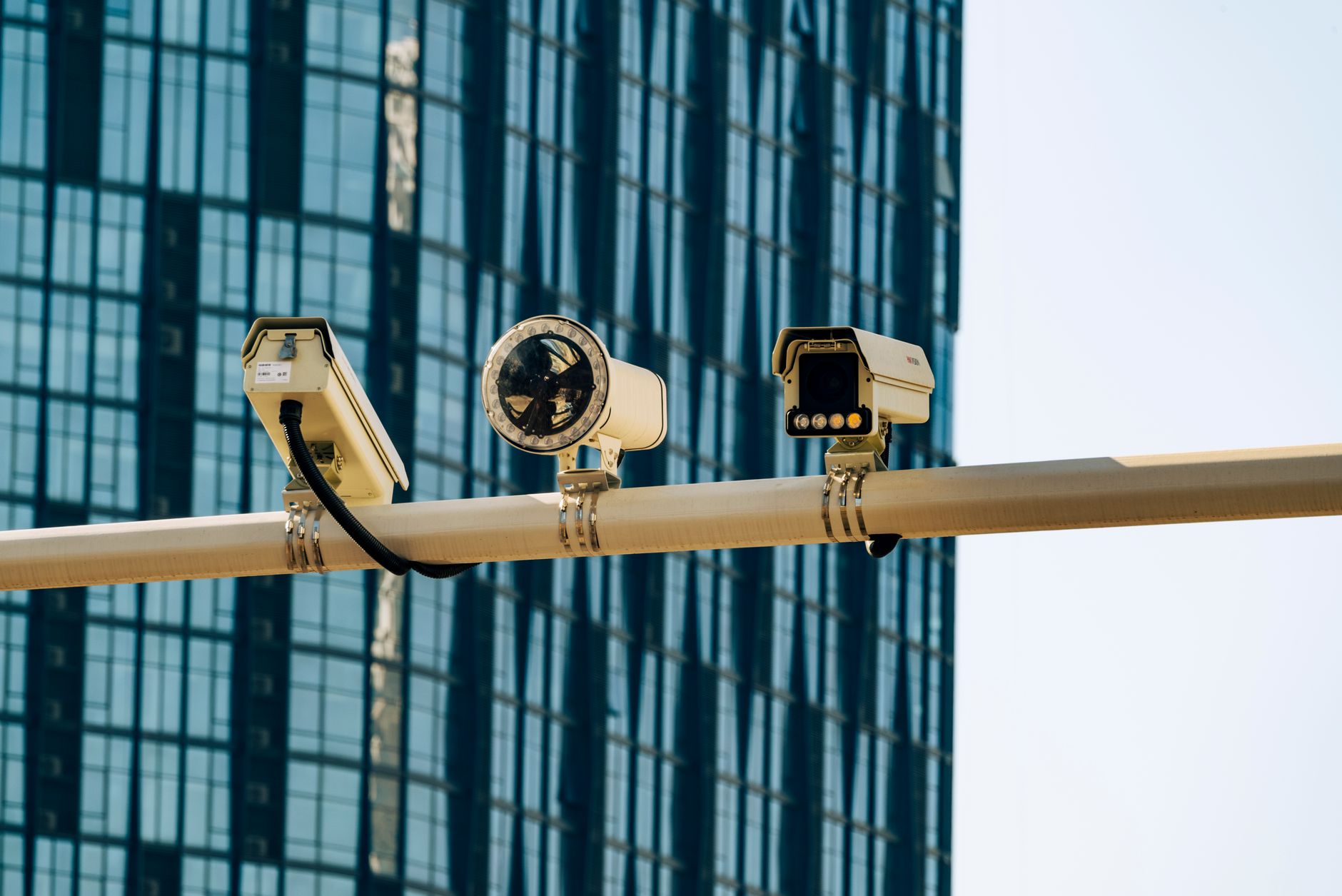
America has long grappled with the balance between national security and individual liberties. In recent years, the scales appear to be tipping, with a dramatic expansion of domestic surveillance capabilities. While often framed as necessary to combat terrorism and crime, this increased monitoring has significant, and often overlooked, implications for your financial life. This isn't just about hypothetical scenarios; it’s about how your bank accounts, investments, credit scores, and even everyday purchases are being tracked, analyzed, and potentially used in ways you might not realize.
The Growing Scope of Financial Surveillance
For decades, the government has had the power to monitor financial transactions, particularly those suspected of being linked to illegal activities. However, the scope and methods of this surveillance have broadened considerably, fueled by technological advancements and legal interpretations. It's no longer solely focused on large, suspicious transactions.
Here's a breakdown of how your financial data is being collected and analyzed:
- Bank Secrecy Act (BSA): This 1970 law requires financial institutions to report suspicious activity to the Financial Crimes Enforcement Network (FinCEN). While initially intended to combat money laundering, its scope has expanded over time.
- USA PATRIOT Act: Passed after 9/11, this act further broadened the government’s surveillance powers, including access to financial records.
- FinCEN Files: Leaked documents in 2020 revealed the extent to which banks knowingly facilitated the movement of illicit funds, raising questions about the effectiveness – and potential misuse – of BSA reporting. They also showed the scale of data sharing between banks and government agencies.
- Transaction Monitoring Software: Banks and financial institutions utilize sophisticated software that flags transactions based on pre-defined criteria, which are often influenced by government guidelines.
- Data Brokers: These companies collect and sell vast amounts of personal information, including financial data, to third parties – including government agencies.
- Credit Monitoring: While you may proactively engage in credit monitoring, the data collected is also accessible to various entities, including government agencies.
- Cryptocurrency Tracking: The rise of cryptocurrencies hasn't escaped surveillance. Agencies are increasingly employing tools to track and analyze crypto transactions, aiming to identify illicit activity.
How Surveillance Impacts Your Financial Life
The implications of this increased surveillance are far-reaching and affect individuals across all income levels.
Credit Score and Loan Applications
Your credit score is a crucial component of your financial life, impacting everything from loan approvals to interest rates. Surveillance can indirectly affect your credit score. For example, erroneous flags raised by transaction monitoring software could lead to investigations that, even if ultimately unfounded, can create negative marks on your credit report.
Furthermore, data breaches, which are becoming increasingly common, expose your financial information to potential misuse, leading to identity theft and damage to your credit. Consider investing in robust identity theft protection. https://example.com/ offers comprehensive services to monitor your credit and alert you to suspicious activity.
Investments and Portfolio Monitoring
Your investment activity is also subject to scrutiny. While generally not targeting legitimate investment strategies, the government can monitor large or unusual transactions for potential insider trading or tax evasion. This can create a chilling effect on legitimate investment behavior, potentially discouraging risk-taking and innovation.
More concerning, the data collected could be used to create profiles of investors based on their financial holdings and investment preferences, potentially leading to biased enforcement actions or discriminatory practices.
Banking and Account Restrictions
Perhaps the most direct impact of financial surveillance is the potential for account restrictions or closures. If your transactions are flagged as suspicious, your bank may freeze your account, require you to provide documentation, or even close your account altogether. This can be incredibly disruptive, especially if you rely on those funds for daily expenses.
Everyday Purchases and Spending Habits
Even your everyday purchases are being tracked. Credit card companies and retailers collect vast amounts of data on your spending habits, which are then analyzed and sold to data brokers. While seemingly innocuous, this data can be used to create detailed profiles of your lifestyle, preferences, and financial vulnerabilities.
Tax Implications
The IRS is leveraging financial surveillance tools to identify tax evasion. While ensuring tax compliance is important, the increased scrutiny also raises concerns about potential errors and unfair targeting. The FinCEN Files revealed that the IRS received reports on millions of transactions, many of which were for relatively small amounts, raising questions about the proportionality of the surveillance.
Protecting Your Financial Privacy: What Can You Do?
While it’s impossible to completely shield yourself from financial surveillance, you can take steps to mitigate your risk and protect your financial privacy.
- Use Cash: For smaller transactions, using cash can help you avoid leaving a digital trail.
- Privacy-Focused Banking: Consider banking with credit unions or smaller banks that prioritize privacy.
- Virtual Private Networks (VPNs): A VPN can encrypt your internet traffic and mask your IP address, making it harder to track your online activity.
- Secure Email: Use end-to-end encrypted email services to protect your communications.
- Limit Data Sharing: Be mindful of the information you share online and with third-party apps. Review privacy policies carefully.
- Monitor Your Credit Report: Regularly check your credit report for errors and signs of identity theft. https://example.com/ offers a reliable credit monitoring service.
- Diversify Your Financial Holdings: Don’t put all your eggs in one basket. Diversifying your investments and spreading your funds across multiple accounts can make it harder for authorities to get a complete picture of your finances.
- Be Aware of Your Rights: Understand your rights regarding financial privacy and data protection. The Electronic Frontier Foundation (EFF) is a valuable resource for information on these topics.
- Consider Cryptocurrency (With Caution): While cryptocurrency offers a degree of anonymity, it's not entirely untraceable. Use privacy-focused cryptocurrencies and take steps to protect your transactions.
| Surveillance Method | Impact on You | Mitigation Strategy |
|---|---|---| | BSA/USA PATRIOT Act Reporting | Potential account freezes, investigations | Understand your rights, maintain accurate records | | FinCEN Files Data Sharing | Profile creation, potential bias | Limit data sharing, diversify holdings | | Transaction Monitoring Software | False positives, account restrictions | Monitor accounts, document transactions | | Data Broker Data Collection | Targeted advertising, potential misuse of information | Opt-out of data collection, use privacy tools | | Cryptocurrency Tracking | Loss of anonymity, potential scrutiny | Use privacy-focused crypto, secure transactions |
The Future of Financial Surveillance
The trend towards increased financial surveillance is likely to continue, driven by advancements in technology and evolving security threats. Artificial intelligence (AI) and machine learning are being used to analyze financial data with increasing sophistication, raising concerns about algorithmic bias and the potential for inaccurate profiling.
The debate over the appropriate balance between security and privacy will continue to rage on. It’s crucial for individuals to be informed about the risks and take proactive steps to protect their financial privacy. Staying vigilant and advocating for stronger data protection laws are essential to safeguarding your financial future.
Disclaimer: This article is for informational purposes only and does not constitute financial or legal advice. The affiliate links provided are for products we believe may be helpful, and we may receive a commission if you make a purchase through those links. We are not responsible for the content or practices of external websites.