At least 25 Flock cameras have been destroyed in five states since April 2025
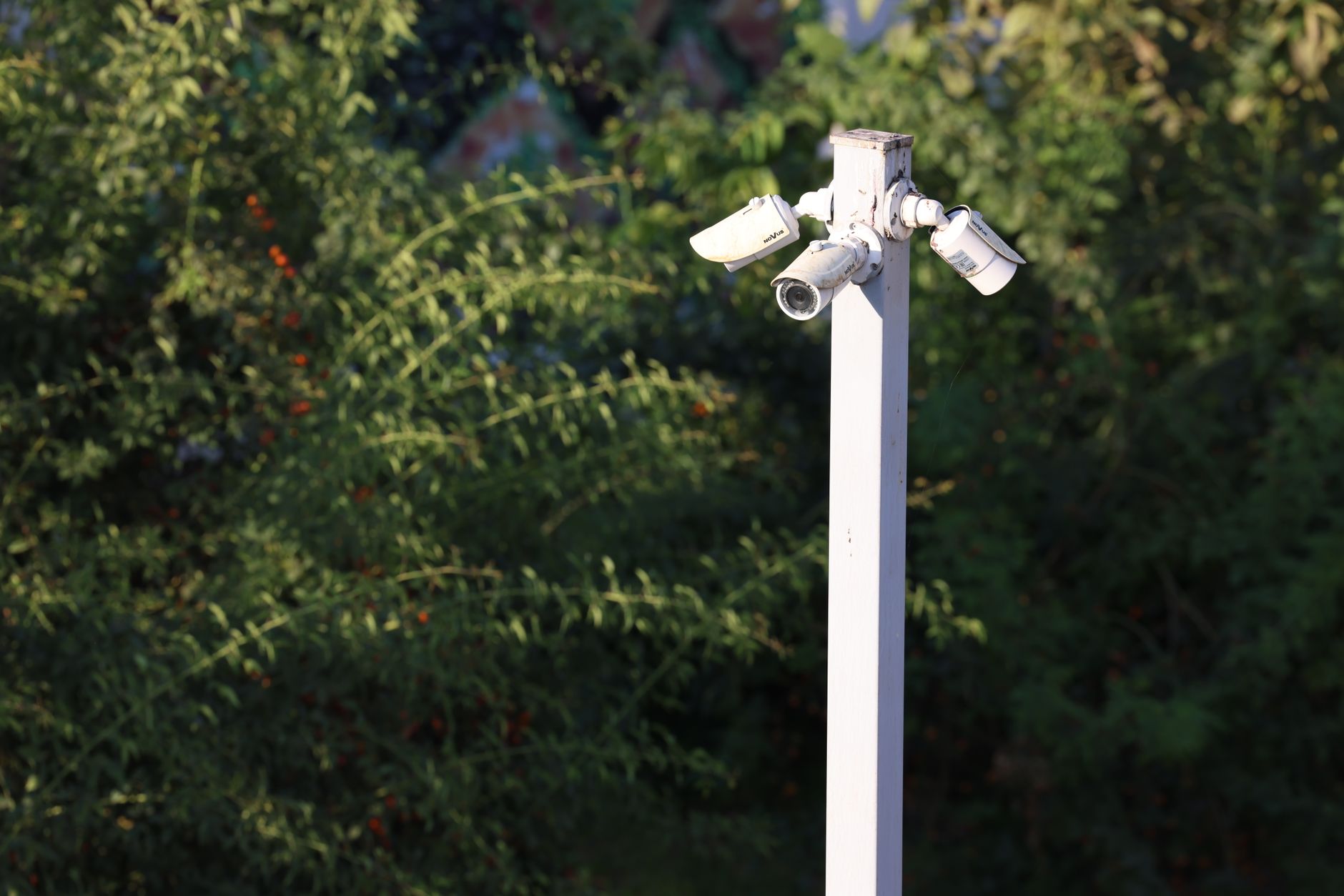
The increasing deployment of Flock Safety cameras, a popular choice for law enforcement and homeowners’ associations seeking to deter crime, is facing a growing and costly challenge: intentional vandalism. Since April 2025, reports indicate at least 25 Flock cameras have been deliberately destroyed across five states – California, Texas, Arizona, Florida, and Pennsylvania – marking a worrying trend with significant financial implications. This isn’t simply about replacing broken hardware; it represents a potential drain on municipal budgets, impacts insurance premiums, and raises questions about the long-term viability of relying on this type of technology in high-crime areas. This article delves into the scope of the problem, the financial consequences, and potential solutions, offering insights for both investors interested in smart city technologies and financial managers overseeing public safety budgets.
The Scope of the Problem: More Than Just Broken Cameras
Initially dismissed as isolated incidents, the destruction of Flock cameras is now being recognized as a coordinated problem in some areas, and a worrying pattern of targeted destruction in others. The cameras, designed to capture license plates and vehicle characteristics, are often installed in neighborhoods experiencing property crime or in strategic locations for monitoring traffic patterns.
Several factors may contribute to this trend:
- Anti-Surveillance Sentiment: A growing segment of the population expresses concerns about the pervasive nature of surveillance technology and its potential for misuse. This sentiment fuels acts of vandalism against cameras seen as representing an intrusion on privacy.
- Criminal Deterrence Backlash: The very effectiveness of Flock cameras in identifying and assisting in the apprehension of criminals may motivate some individuals to target the devices. Removing a camera effectively eliminates its ability to record their activities.
- Organized Efforts: Law enforcement officials in some cities suspect the vandalism isn’t random but rather the work of organized groups specifically targeting surveillance infrastructure.
- Easy Accessibility: Many Flock cameras are mounted on relatively accessible poles or structures, making them vulnerable to damage from rocks, spray paint, or even direct physical attacks.
The Financial Fallout: A Multi-Layered Impact
The cost of replacing a single Flock camera isn't insignificant. Each unit typically costs between $1,500 and $3,000, depending on features and installation complexity. However, the financial impact extends far beyond the price of the hardware itself. Here’s a breakdown of the costs:
- Replacement Costs: This is the most obvious expense. With 25+ cameras already destroyed, the direct hardware replacement cost is likely exceeding $37,500 and rapidly increasing. If the trend continues, this figure could quickly escalate into the hundreds of thousands of dollars.
- Installation & Labor: Each camera requires professional installation, adding hundreds of dollars to the replacement cost per unit. Municipalities may need to divert existing public works crews or hire external contractors.
- Increased Insurance Premiums: The surge in vandalism claims is likely to lead to higher insurance premiums for municipalities and homeowners' associations. Insurers are reassessing risk profiles for these types of systems. https://example.com/ A comparison of business insurance policies might be useful for cities experiencing increased vandalism.
- Lost Crime Deterrence: While harder to quantify, the temporary loss of camera coverage represents a reduction in crime deterrence capabilities. This can lead to a potential increase in crime rates, with associated economic costs (property damage, police response, etc.).
- Opportunity Costs: Money spent on camera replacement could be allocated to other essential public safety initiatives, such as community policing programs or improved emergency response systems.
Insurance Implications: A Growing Headache for Risk Managers
Insurance companies are closely watching the increase in Flock camera vandalism. Initial claims were handled routinely, but the growing frequency is prompting reevaluation of coverage terms.
Here’s what risk managers need to consider:
- Policy Exclusions: Some policies may have exclusions for vandalism related to political or social activism. Determining the motivation behind the vandalism will be critical for claim processing.
- Deductibles: Higher deductibles may be imposed for future coverage to incentivize municipalities to improve security measures around the cameras.
- Increased Premiums: As mentioned earlier, expect to see insurance premiums rise for policies covering these types of surveillance systems.
- Coverage Limits: Municipalities need to ensure their policies have adequate coverage limits to handle a widespread vandalism event. A single incident affecting multiple cameras could easily exceed standard coverage limits.
- Due Diligence: Insurance companies may require municipalities to demonstrate “due diligence” in protecting the cameras, such as implementing anti-tampering devices or increasing patrols in areas with high vandalism risk.
Mitigating the Financial Risk: Potential Solutions
Addressing this problem requires a multi-pronged approach. Here are some potential solutions:
- Enhanced Physical Security: Installing cameras in more secure locations, using tamper-proof enclosures, and adding anti-climb devices to poles can deter vandalism. Consider incorporating security lighting.
- Camera Positioning & Redundancy: Strategic camera placement to maximize coverage while minimizing accessibility is crucial. Implementing redundancy – having multiple cameras covering the same area – ensures continued monitoring even if one camera is disabled.
- Community Engagement: Building relationships with local residents and encouraging them to report suspicious activity around the cameras can help prevent vandalism.
- Increased Law Enforcement Patrols: Targeted patrols in areas with high vandalism risk can act as a deterrent and improve response times.
- Technology-Based Solutions:
- Remote Monitoring: Integrating cameras with real-time remote monitoring systems allows for immediate detection of tampering.
- AI-Powered Alerts: Utilizing artificial intelligence to analyze camera footage and identify suspicious behavior can provide early warnings of potential vandalism.
- Camera Obscuration Technology: Some newer systems can automatically blur or obscure camera footage when tampering is detected, making the device less attractive to vandals.
- Legislative Action: Some jurisdictions are exploring legislation to increase penalties for vandalism targeting public safety infrastructure.
The Investment Angle: Assessing Risk in the Smart City Space
The Flock camera vandalism trend presents a cautionary tale for investors in the smart city technology space. While the potential for these technologies to improve public safety is significant, it's crucial to assess the risks associated with deployment and maintenance.
Here's what investors should consider:
- Total Cost of Ownership (TCO): Don't just focus on the upfront cost of the technology. Factor in ongoing maintenance, potential replacement costs, and insurance implications.
- Community Acceptance: Gauge public opinion regarding surveillance technology in the target area. Strong opposition can lead to vandalism and political challenges.
- Security Measures: Evaluate the security measures implemented to protect the infrastructure. Are they adequate to deter vandalism?
- Scalability: Consider the scalability of the solution. Can it be easily expanded without significantly increasing the risk of vandalism?
- Diversification: Diversify investments across a range of smart city technologies to mitigate risk. Don't put all your eggs in one basket.
- Cybersecurity: Although this article focuses on physical damage, cybersecurity vulnerabilities also pose a substantial risk to these systems. A compromised system can negate the benefits entirely. https://example.com/ Investing in robust cybersecurity solutions is critical.
Looking Ahead: The Future of Surveillance Technology
The vandalism of Flock cameras highlights a fundamental tension between the desire for increased security and concerns about privacy and surveillance. Moving forward, municipalities and technology providers will need to address these concerns proactively to ensure the long-term viability of smart city initiatives. This includes increased transparency about data collection practices, robust privacy protections, and a commitment to community engagement. Ignoring these concerns will only lead to further acts of vandalism and erode public trust.
Disclaimer: This article contains affiliate links. If you click on a link and make a purchase, we may receive a commission at no extra cost to you. This helps us to continue providing valuable content.