Can You Really Disable Data Collection in Your Car? A Financial & Privacy Deep Dive
Modern cars collect a LOT of data. Can you opt-out? We explore the data your vehicle gathers, the financial implications, and steps you can take to regain control of your privacy.
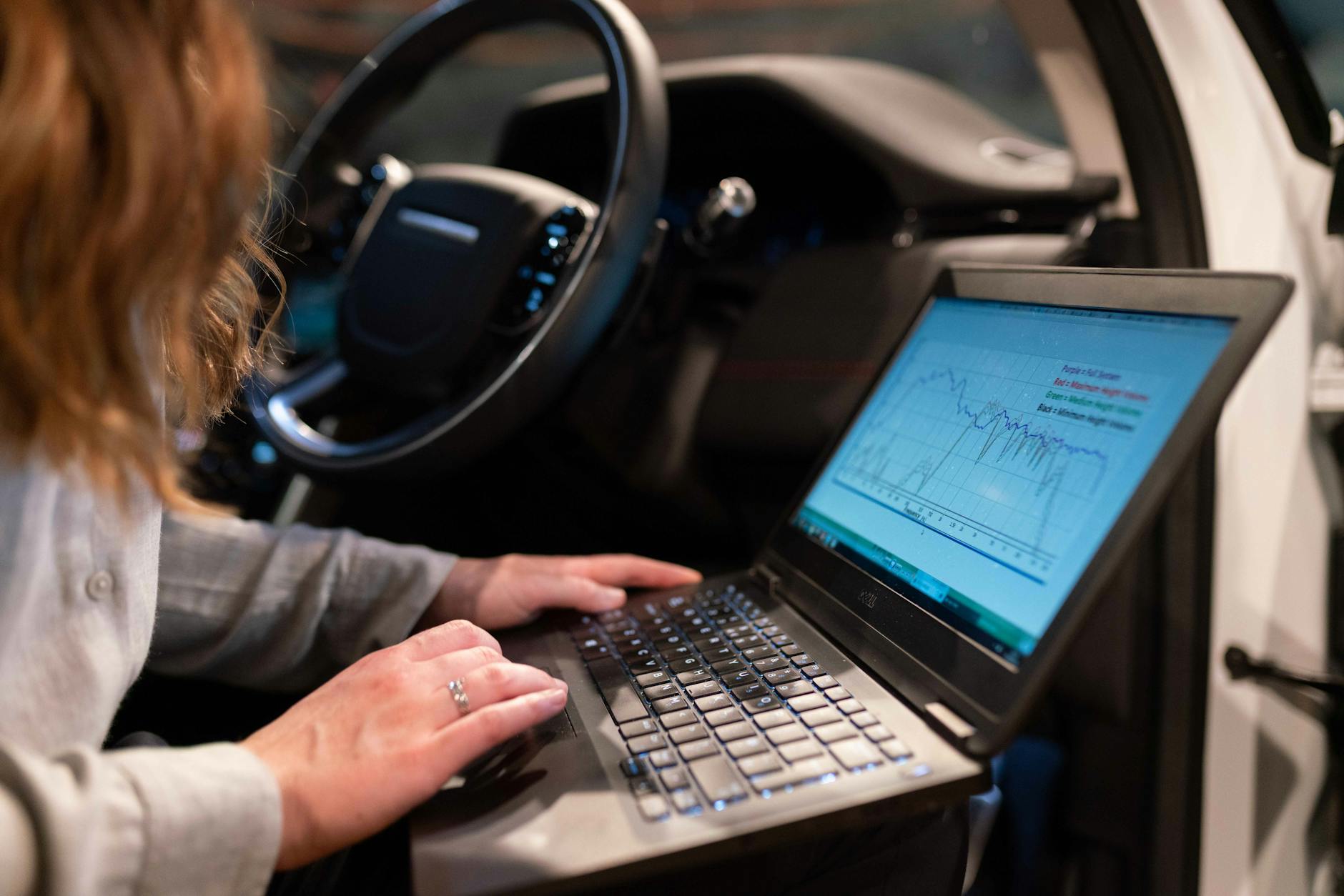
Your car isn’t just a mode of transportation anymore; it’s a rolling computer. And like any computer, it’s constantly collecting data. This data ranges from simple things like mileage to incredibly personal details about your driving habits, location, and even in-car activities. But can you actually disable this collection? The answer is…complicated. This article dives deep into the world of automotive data collection, the financial risks involved, and what steps you can take to protect your privacy.
What Data Is Your Car Collecting?
The sheer volume of data modern vehicles collect is staggering. It goes far beyond what most drivers realize. Here’s a breakdown of the types of data your car might be transmitting:
- Location Data: GPS tracking is the most obvious. Your car knows where you are, where you’ve been, and how often you visit certain locations.
- Driving Behavior: This is a big one. Cars now monitor speed, acceleration, braking habits, cornering, and even how often you use the turn signals. This is often marketed as "safe driving" features, but it’s raw data.
- Vehicle Performance Data: Engine temperature, oil pressure, tire pressure, battery health – all constantly monitored and often sent back to the manufacturer.
- Infotainment System Usage: What songs you listen to, podcasts you stream, the radio stations you choose, and the contacts you sync with the car’s Bluetooth system.
- Personal Information: If you use the car's built-in apps (navigation, streaming services), you're potentially sharing personal account information.
- Camera and Microphone Data: Increasingly, cars have built-in cameras (for safety features like lane departure warning and automatic emergency braking) and microphones (for voice control). While manufacturers claim this data is anonymized, the potential for misuse is real.
- Diagnostic Trouble Codes (DTCs): When something goes wrong with your car, it generates a DTC. This data, and the associated repair history, is often accessible to manufacturers and third parties.
Why Is All This Data Being Collected?
There are several reasons car manufacturers and third parties are so keen on collecting your data:
- Vehicle Improvement: Analyzing aggregated driving data helps manufacturers identify potential problems and improve future vehicle designs. This is the commonly stated good reason.
- Targeted Advertising: Your driving habits and location data can be used to deliver highly targeted advertisements, both within the car’s infotainment system and elsewhere online.
- Usage-Based Insurance (UBI): UBI, also known as pay-per-mile insurance or telematics insurance, uses your driving data to determine your insurance premiums. Good drivers may receive discounts, but risky drivers will pay more. Companies like https://example.com/ offer UBI options.
- Remote Diagnostics & Over-the-Air Updates: Data allows manufacturers to remotely diagnose problems with your vehicle and push software updates.
- Resale Value & Vehicle History Reports: Data can impact a vehicle’s resale value and be incorporated into vehicle history reports.
- Potential for Monetization: The sheer volume of data collected is incredibly valuable. Manufacturers can sell anonymized (or potentially not-so-anonymized) data to third parties for various purposes.
The Financial Implications of Car Data Collection
Beyond privacy concerns, car data collection has significant financial implications:
- Insurance Costs: As mentioned above, UBI can lead to higher insurance premiums if you're deemed a risky driver. Even without explicitly opting into UBI, insurers are increasingly using data from your vehicle (often obtained through partnerships with manufacturers) to assess risk.
- Vehicle Resale Value: A history of poor driving habits or frequent mechanical issues (revealed through data) could lower your car's resale value.
- Maintenance Costs: Manufacturers might use data to suggest (or even schedule) maintenance services, potentially leading to unnecessary repairs.
- Data Breaches: A data breach could expose your personal information and vehicle data, potentially leading to identity theft or unauthorized access to your vehicle.
- Subscription Services: Increasingly, features previously included in the price of the car are becoming subscription-based services, enabled and tracked through data collection.
Can You Disable Data Collection? A Realistic Assessment
Unfortunately, completely disabling all data collection in your modern vehicle is extremely difficult, and in some cases, impossible. Here's a breakdown of what you can realistically do:
- Privacy Settings within the Vehicle: Many newer cars have privacy settings within the infotainment system that allow you to limit the collection of certain types of data, such as location data or infotainment usage. Check your owner's manual for details. However, these settings rarely cover all data collection.
- Disconnecting Connected Services: Disabling connected services (like remote vehicle access, Wi-Fi hotspot, or in-car navigation) can reduce the amount of data transmitted. But many of these services are now integrated into core vehicle functions.
- Using a Cellular Firewall/OBD Blocker: Devices like OBD (On-Board Diagnostics) blockers can physically prevent your car from transmitting data over the cellular network. https://example.com/ offers some options for OBD blockers. However, these devices can also interfere with legitimate vehicle functions, such as emergency services (eCall) and over-the-air updates. Use with extreme caution.
- Opting Out of Usage-Based Insurance: If you’re enrolled in a UBI program, you can usually opt out, but you’ll likely lose any associated discounts.
- Reviewing Privacy Policies: Carefully read the privacy policies of your car manufacturer and any connected service providers. Understand what data they collect, how they use it, and your rights regarding that data.
- Vehicle Data Requests: In some jurisdictions (like California with the CCPA and CPRA), you may have the right to request access to and deletion of your personal data collected by the car manufacturer.
- Choosing a Car with Less Connectivity: When purchasing a new vehicle, consider opting for a model with fewer connected features if privacy is a major concern.
What About Older Vehicles?
Older vehicles with fewer connected features are naturally less susceptible to data collection. However, even older cars may have some data collection capabilities, such as through the vehicle's computer (ECU) or aftermarket devices (like GPS trackers).
The Future of Car Data Privacy
The debate over car data privacy is ongoing. Regulations are evolving, and consumer awareness is increasing. Expect to see:
- Stronger Data Privacy Regulations: Governments around the world are likely to implement stricter regulations regarding the collection and use of automotive data.
- Increased Transparency: Manufacturers will be pressured to be more transparent about their data collection practices.
- More Consumer Control: Consumers will demand greater control over their vehicle data.
- Privacy-Focused Vehicle Options: Manufacturers may offer vehicles specifically designed with privacy in mind.
Conclusion: Taking Control of Your Automotive Data
While completely disabling all data collection in your car is currently challenging, it’s not impossible to mitigate the risks. By understanding what data is being collected, taking advantage of available privacy settings, and being proactive about your data rights, you can take control of your automotive data and protect your financial and personal privacy. Remember to stay informed about evolving regulations and consumer rights in this rapidly changing landscape.
Disclaimer:
This article contains affiliate links to products and services. We may receive a commission if you click on a link and make a purchase. This does not affect our editorial content or recommendations. The information provided in this article is for general informational purposes only and does not constitute financial or legal advice. Always consult with a qualified professional before making any financial or legal decisions.