Dua Lipa opens library for banned and censored books in Portugal
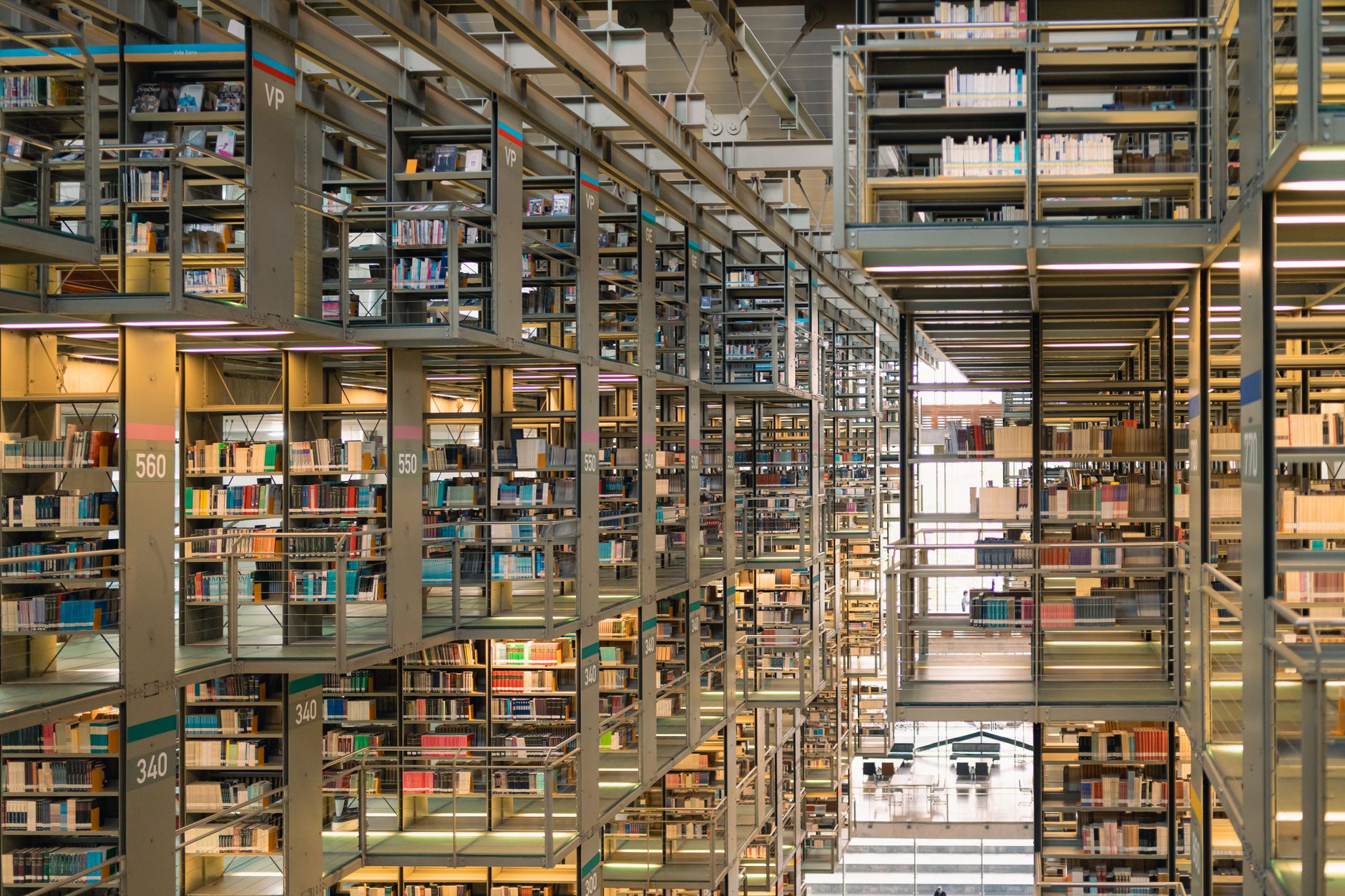
Dua Lipa, the global music superstar, has recently made headlines not for a new album or tour, but for a remarkable act of cultural and intellectual defiance: opening a library in Vila Nova de Gaia, Portugal, dedicated to housing books that have been banned or censored elsewhere. This isn’t merely a philanthropic gesture; it’s a potent symbol with surprising financial implications. While seemingly a story about art and freedom of expression, the act of censorship, and its counter, the free flow of information, has deep roots in economic theory and practice. This article will explore the financial impacts of censorship, the investment in knowledge exemplified by Lipa’s library, and the broader economic arguments for unfettered access to information.
The Ripple Effect: How Censorship Impacts Economies
Censorship isn’t just a restriction on artistic or political expression; it’s an economic impediment. The suppression of ideas, whether in literature, scientific research, or journalism, actively hinders innovation, discourages investment, and ultimately stunts economic growth. Here’s a breakdown of the key financial consequences:
- Reduced Innovation: Censorship stifles creativity and critical thinking. New ideas, often born from challenging existing norms, are suppressed. Innovation relies on the free exchange of information and perspectives. Think of historical examples - the suppression of Galileo's heliocentric theory delayed scientific progress for centuries.
- Decreased Foreign Investment: Countries with a history of censorship are often perceived as unstable and unpredictable. International investors are wary of putting capital into environments where ideas are restricted and dissent is suppressed. This results in a capital flight, reducing economic opportunity.
- Lower Productivity: When individuals are fearful of expressing their opinions or exploring new ideas, productivity suffers. A culture of fear discourages risk-taking, a key component of entrepreneurship and economic development.
- Black Markets & Informal Economies: Banning books or information doesn’t eliminate the demand for it. Instead, it drives the activity underground, creating black markets and informal economies. These operate outside the legal framework, depriving governments of tax revenue and fostering corruption.
- Hindered Human Capital Development: Access to diverse information is crucial for education and the development of a skilled workforce. Censorship limits access to knowledge, hindering human capital development and reducing a nation’s potential for economic growth.
- Impact on Related Industries: Censorship doesn't just hurt authors or publishers. It impacts the entire ecosystem – printing presses, bookstores, libraries, translation services – leading to job losses and reduced economic activity across multiple sectors.
The Cost of Silencing Voices: Real-World Examples
The negative economic effects of censorship are not theoretical. History is replete with examples demonstrating its detrimental impact:
- East Germany & the Stasi: The extensive surveillance and censorship apparatus of the East German Stasi crippled economic innovation and contributed to the country’s economic stagnation compared to West Germany.
- China’s "Great Firewall": While China has experienced significant economic growth, the "Great Firewall," which restricts access to information and internet freedom, is estimated to cost the Chinese economy billions of dollars annually in lost productivity and innovation. Studies suggest reduced tech sector dynamism because of restrictions.
- Authoritarian Regimes in Latin America: Throughout the 20th century, numerous authoritarian regimes in Latin America suppressed dissent and censored information. These periods were often marked by economic instability and underdevelopment.
- Russia's Recent Actions: Following the invasion of Ukraine, increased censorship and restrictions on independent media in Russia have led to capital flight, a decline in foreign investment, and a weakening of the Russian economy.
These examples demonstrate that suppressing information comes at a substantial economic price. The free flow of ideas, while sometimes uncomfortable or challenging, is essential for a thriving and dynamic economy.
Dua Lipa’s Library: An Investment in Knowledge and Economic Freedom
Dua Lipa’s library, in contrast to these examples, represents an investment in knowledge, freedom of expression, and, ultimately, economic potential. By providing access to banned books, she is fostering critical thinking, encouraging intellectual curiosity, and promoting a more informed citizenry.
This act aligns with the core principles of economic freedom. A country that values economic freedom also values intellectual freedom. The ability to access and share information is a cornerstone of a healthy and prosperous economy.
- Promoting Literacy and Education: The library actively encourages reading and learning, boosting literacy rates and contributing to a more skilled workforce.
- Fostering Cultural Exchange: The library will likely attract visitors and researchers from around the world, stimulating tourism and cultural exchange.
- Supporting Independent Thought: By providing access to diverse perspectives, the library encourages independent thought and critical analysis – skills essential for innovation and entrepreneurship.
- Creating a Hub for Intellectual Discourse: The library can become a hub for intellectual discourse, attracting writers, artists, and thinkers who contribute to the cultural and economic vitality of the region.
The Value of Intellectual Property & The Fight Against Censorship
The issue of banned books also touches upon the crucial concept of intellectual property. Authors and creators have a right to own and control their work. Censorship effectively nullifies this right, denying authors the recognition and financial rewards they deserve.
Furthermore, the banning of books often stems from attempts to control narratives and suppress dissenting voices. This can have a chilling effect on creativity, discouraging authors from tackling controversial or challenging topics.
Protecting intellectual property rights and fighting against censorship are essential for fostering a vibrant and innovative cultural landscape. This, in turn, drives economic growth and prosperity. Consider platforms like Amazon, which benefit from the wide availability of diverse books - https://example.com/ - demonstrating the economic viability of open access to literature.
The Future of Information Access: Digital Libraries & Decentralization
Dua Lipa’s library is a physical space dedicated to fighting censorship, but the future of information access lies increasingly in the digital realm. Digital libraries, online archives, and decentralized platforms are emerging as powerful tools for circumventing censorship and promoting freedom of information.
- Digital Libraries: Projects like the Internet Archive are working to preserve and provide access to vast collections of books, music, and videos, often including works that are censored or unavailable elsewhere.
- Blockchain Technology & Decentralized Platforms: Blockchain technology offers the potential to create decentralized platforms for publishing and sharing information that are resistant to censorship.
- VPNs & Encryption: Tools like VPNs and encryption software allow individuals to access information and communicate securely, even in countries with strict censorship laws.
- Open-Source Software: Open-source software provides alternatives to proprietary platforms, reducing dependence on corporations and governments that may be prone to censorship.
These technologies are not without their challenges, but they offer a promising path towards a future where information is freely accessible to all. Investing in and developing these technologies is crucial for safeguarding intellectual freedom and promoting economic growth. You can explore secure browsing options and VPNs through resources like https://example.com/.
Conclusion: Investing in a Free Flow of Ideas
Dua Lipa’s library in Portugal is more than just a collection of banned books; it’s a powerful symbol of resistance against censorship and a testament to the enduring importance of intellectual freedom. It’s a tangible representation of an investment in knowledge, creativity, and economic potential.
The financial implications of censorship are clear: it stifles innovation, discourages investment, and hinders economic growth. By contrast, the free flow of information fosters a dynamic and prosperous economy. Supporting initiatives like Dua Lipa’s library and investing in technologies that promote information access are essential steps towards building a more open, equitable, and economically vibrant future.
Disclaimer:
This article contains affiliate links. If you purchase a product through one of these links, we may receive a small commission at no extra cost to you. This helps to support our website and allows us to continue providing valuable content. We only recommend products and services that we believe in and that align with our editorial standards.