Flock cameras track more than your license plate, and they're spreading fast
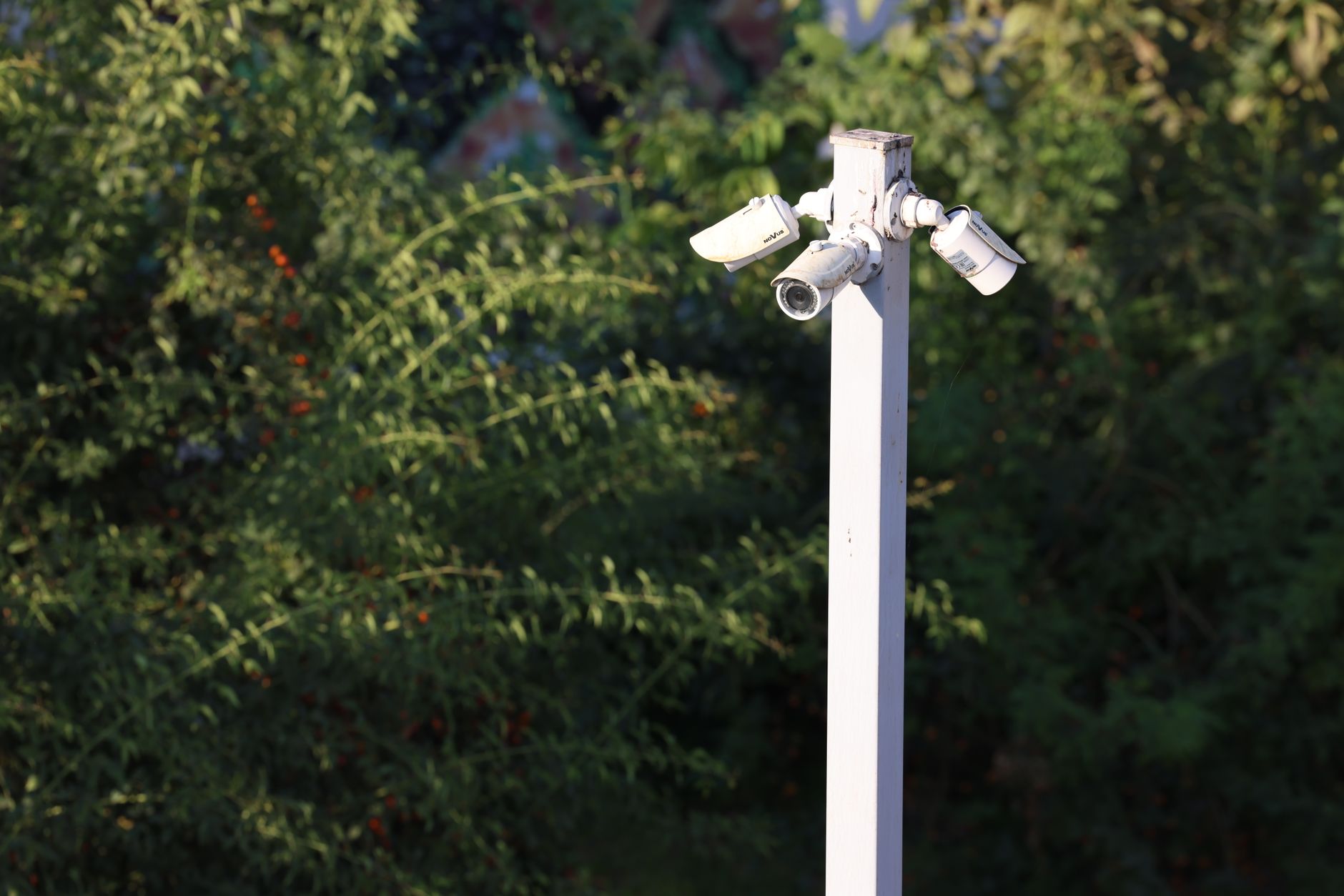
Flock cameras – those sleek, solar-powered devices popping up on street corners and highway overpasses – are advertised as a public safety tool. While proponents emphasize their effectiveness in solving crimes, a growing conversation revolves around their broader implications. Beyond privacy concerns, the rapid spread of Flock cameras carries significant financial weight, impacting local government budgets, creating a potentially lucrative data market, and subtly altering the landscape of financial services like insurance and lending. This article dives into these financial considerations, exploring the costs, the value, and the potential risks.
What Are Flock Cameras, and Why Are They Spreading So Fast?
Flock Safety, the company behind these cameras, markets them as automated license plate readers (ALPRs) that capture images of vehicles and store that data for law enforcement. They differentiate themselves from traditional ALPR systems by claiming to focus on vehicles rather than just license plates. This means they capture date, time, and location data alongside images of the entire car – including make, model, color, and any distinguishing features.
The appeal for local governments and Homeowner Associations (HOAs) is strong. They’re presented as a relatively affordable solution to crime, and the ease of deployment – solar power, wireless connectivity – makes them attractive. Many cities are facing pressure to address rising crime rates, and Flock cameras offer a perceived quick fix, especially when paired with grant funding opportunities.
Image Suggestion: A Flock camera mounted on a street light. *
However, the "affordable" label requires deeper scrutiny, and the true cost extends far beyond the initial purchase price.
The Direct Costs: Installation, Maintenance, and Data Storage
The financial burden for municipalities isn't just the upfront cost of the cameras themselves. Here's a breakdown of the direct expenses:
- Initial Purchase: Cameras typically cost around $3,000 per unit, though pricing varies depending on the contract length and features.
- Installation: Mounting, wiring (even with solar power, some initial electrical work is often required), and network connection all add to the cost. Expect to pay several hundred dollars per camera for installation.
- Annual Subscription Fees: This is where the ongoing costs really escalate. Flock charges an annual subscription fee for access to the data captured by the cameras. These fees can range from hundreds to thousands of dollars per camera, per year.
- Data Storage: The sheer volume of data generated by these cameras is massive. Maintaining the infrastructure to store and process that data requires significant investment in servers, bandwidth, and IT personnel.
- Personnel Costs: Law enforcement personnel need to be trained on how to use the system and interpret the data. Analyzing the data effectively also requires dedicated staff time.
Example Cost Scenario (for a city deploying 100 cameras):
| Expense Category | Estimated Cost (Year 1) | Estimated Annual Cost (Years 2+) |
|---|---|---|
| Camera Purchase | $300,000 | $0 |
| Installation | $30,000 | $0 |
| Annual Subscription | $150,000 | $150,000 |
| Data Storage & IT | $20,000 | $20,000 |
| Training & Personnel | $10,000 | $10,000 |
| Total | $510,000 | $180,000 |
This example highlights that the initial investment is substantial, but the ongoing annual costs are what truly define the long-term financial commitment. This is money that could be allocated to other public services, like schools, infrastructure, or social programs. Furthermore, these costs are often presented without a clear cost-benefit analysis demonstrating a quantifiable return on investment.
The Hidden Value: Data as a Commodity
While presented as a public safety tool, the data collected by Flock cameras is incredibly valuable, and the potential for monetization is significant. Flock Safety is building a massive database of vehicle movements, and that data can be leveraged in various ways:
- Data Sharing with Third Parties: While Flock states they don't sell data, they do share it with other law enforcement agencies, and increasingly, with private entities. This data sharing – even if not a direct sale – represents a transfer of value.
- Insurance Companies: Insurers could use this data to assess risk more accurately, potentially adjusting premiums based on driving patterns and locations. This could lead to lower rates for safe drivers, but also higher rates for those who frequent areas deemed "high risk." offers potential discounts that can offset potential increases.
- Lending Institutions: Lenders could utilize the data to verify employment information, track vehicle ownership, and assess a borrower's risk profile.
- Retailers & Businesses: Understanding traffic patterns and customer movement can be extremely valuable for businesses, allowing them to optimize marketing campaigns and site selection.
- Marketing Companies: Targeted advertising based on vehicle locations and travel habits becomes a possibility.
The debate centers around who benefits from this data and how that benefit is realized. If the data is shared with private companies, is the public receiving any compensation or benefit in return? The lack of transparency surrounding these data-sharing practices is a major concern.
The Impact on Financial Services: Insurance & Lending
The integration of Flock camera data into financial services, particularly insurance and lending, is likely to intensify.
Insurance: Currently, insurance companies rely on self-reported driving data, credit scores, and accident history to determine premiums. Flock camera data offers a more granular and objective view of driving behavior.
- Usage-Based Insurance (UBI): Flock data could facilitate more sophisticated UBI programs, rewarding safe driving habits and penalizing risky behavior.
- Geofencing: Insurers might create “geofences” around high-crime areas. Vehicles frequently entering these areas could be flagged as higher risk, leading to increased premiums.
- Fraud Detection: Data could be used to identify potentially fraudulent insurance claims.
Lending: The use of alternative data sources in lending is already on the rise. Flock camera data could become another piece of the puzzle.
- Income Verification: Tracking vehicle movements to and from places of employment could be used to verify income.
- Risk Assessment: Frequent travel to areas associated with financial instability could be seen as a red flag.
- Collateral Verification: Confirming vehicle ownership and location is crucial for secured loans.
Privacy Costs & Potential Legal Challenges
The financial costs aren't solely monetary. The erosion of privacy has a significant, albeit harder-to-quantify, cost. Legal challenges are mounting across the country, with civil liberties groups arguing that the widespread deployment of Flock cameras violates constitutional rights. These legal battles will undoubtedly incur further financial burdens for municipalities.
Furthermore, the potential for data breaches and misuse raises concerns about financial liability. If the data falls into the wrong hands, it could be used for identity theft, stalking, or other malicious purposes, leading to lawsuits and financial losses for affected individuals and the city. Protecting your credit and identity is more important than ever. Consider a to help safeguard your financial well-being.
The Future of Surveillance and Finance: What to Expect
The trend towards increased surveillance is likely to continue, driven by the perceived need for public safety and the growing availability of surveillance technologies. As Flock cameras become even more prevalent, we can expect:
- Increased Data Collection: Cameras will likely become more sophisticated, capturing more data beyond license plates and vehicle characteristics.
- Greater Integration with Financial Services: Insurance companies and lenders will continue to explore ways to leverage Flock camera data to refine their risk assessment models.
- Heightened Privacy Concerns: The debate over privacy and surveillance will intensify, leading to more legal challenges and calls for greater regulation.
- The Rise of "Surveillance Capitalism": The monetization of surveillance data will become more commonplace, raising questions about who benefits from this data and how it is used.
***
Disclaimer: This article contains affiliate links. If you purchase a product or service through these links, we may receive a small commission. This commission does not affect the price you pay and helps support our research and content creation. We are committed to providing unbiased information and only recommend products and services that we believe are valuable to our readers.