GAO: DOE Is Prematurely Excluding Less Expensive Options for Nuclear Cleanup
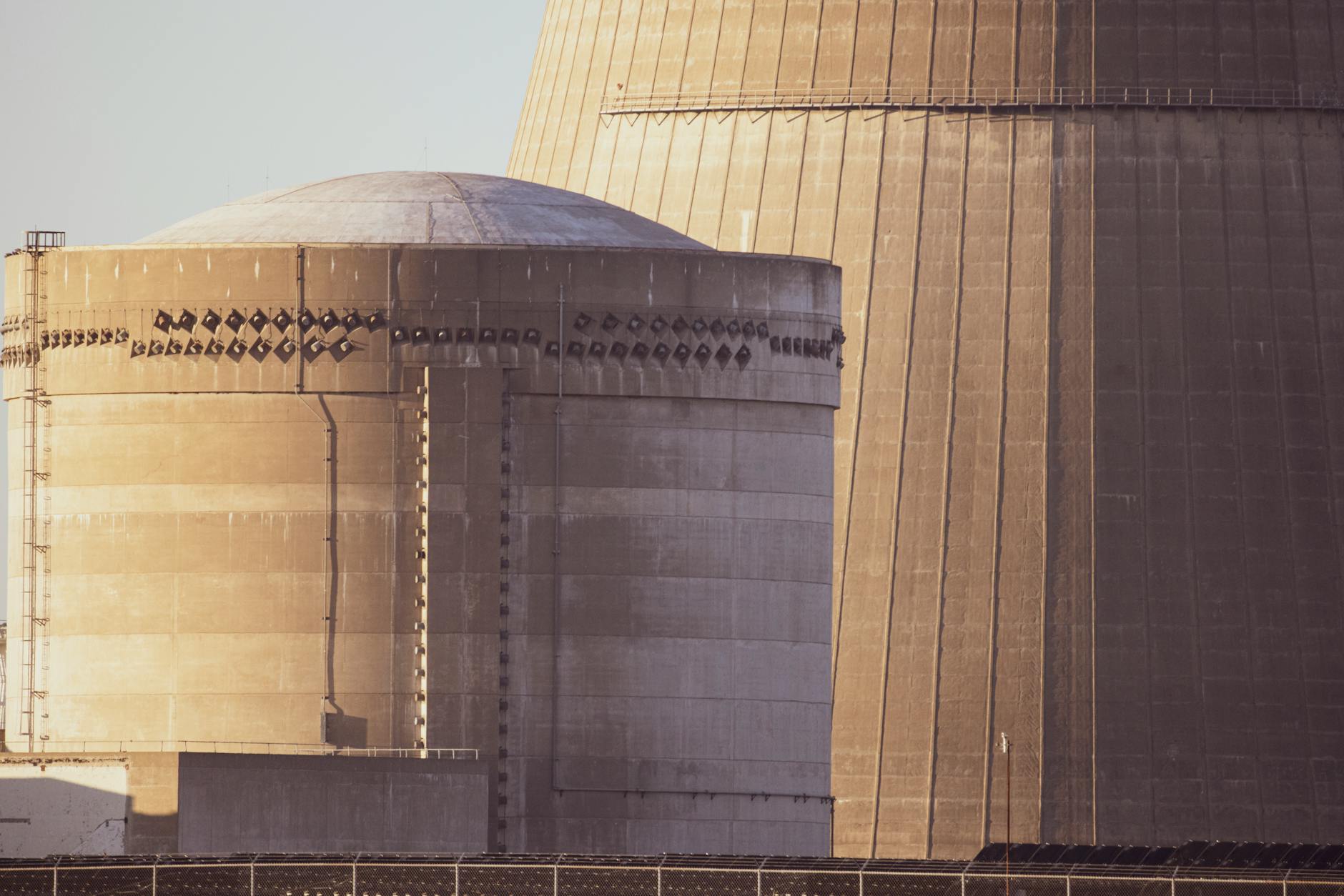
The Department of Energy (DOE) is facing criticism for its approach to cleaning up legacy nuclear waste sites across the United States. A recent report from the Government Accountability Office (GAO) asserts that the DOE is prematurely excluding potentially less expensive and more efficient cleanup methods, potentially leading to significant cost overruns – estimated in the billions of dollars. This impacts not only the federal budget but also the long-term financial health of communities near these sites.
The Scope of the Nuclear Cleanup Challenge
For decades, the U.S. produced nuclear weapons and conducted research that generated substantial radioactive waste. This waste, stored at sites like Hanford in Washington State and the Savannah River Site in South Carolina, poses long-term environmental and health risks. Cleaning up these sites is a monumental undertaking, requiring innovative technologies and careful financial management.
The DOE’s Environmental Management (EM) program is responsible for this cleanup. The program's budget has consistently been substantial, but the GAO report suggests that a more thorough consideration of alternative cleanup strategies could yield significant savings.
GAO’s Key Findings: A Rush to “Dig and Dump”
The core of the GAO’s concern revolves around the DOE’s preference for a strategy often referred to as “dig and dump.” This involves excavating buried nuclear waste and transferring it to new, engineered facilities for long-term disposal. While considered a safe and reliable approach, it’s also one of the most expensive.
The GAO found that the DOE often dismissed alternative options – such as in-situ remediation (treating waste in place) and advanced waste processing technologies – during the early stages of project planning. This premature dismissal occurred before fully evaluating the potential costs and benefits of these alternatives.
Here’s a breakdown of the GAO’s specific concerns:
- Limited Analysis of Alternatives: The DOE frequently lacked comprehensive cost-benefit analyses comparing “dig and dump” with less conventional methods.
- Risk Aversion: A strong preference for proven, albeit costly, technologies contributed to a resistance to exploring innovative, potentially cheaper solutions.
- Insufficient Documentation: The reasons for rejecting alternative approaches weren’t always adequately documented, hindering transparency and accountability.
- Overreliance on Cost Estimates: The DOE frequently based decisions on preliminary cost estimates that proved inaccurate and underestimated the true costs.
- Lack of Independent Review: Limited independent review of the DOE’s decision-making process amplified the risk of flawed conclusions.
Dig and Dump vs. Alternative Approaches: A Closer Look
Let’s examine the core strategies and their financial implications.
| Cleanup Strategy | Description | Estimated Cost | Advantages | Disadvantages |
|---|---|---|---|---| | Dig and Dump | Excavate buried waste and move it to engineered disposal facilities. | Highest (Billions per site) | Well-established technology, considered highly reliable. | Extremely expensive, disruptive to the environment, long project timelines. | | In-Situ Remediation | Treat waste in place using chemical or biological processes. | Moderate to Low (Millions to Hundreds of Millions) | Less disruptive, potentially faster, lower cost. | Requires careful monitoring, effectiveness depends on site-specific conditions, may not be suitable for all types of waste. | | Waste Form Stabilization | Convert waste into a more stable form to reduce its mobility and toxicity. | Moderate (Tens to Hundreds of Millions) | Reduces long-term risk, can facilitate disposal. | Requires advanced processing facilities, may generate secondary waste streams. | | Advanced Waste Processing | Technologies to reduce the volume and radioactivity of the waste. (e.g. plasma arc gasification) | Moderate to High (Hundreds of Millions) | Reduces disposal volume, potentially recovers valuable materials. | Technology still developing, higher initial investment. |
(Cost estimates are approximate and vary significantly based on site-specific conditions and waste characteristics)
The GAO argues that a more thorough evaluation of these alternative options, particularly in-situ remediation, could save the government a substantial amount of money. In-situ methods, when applicable, avoid the significant costs associated with excavation, transportation, and new facility construction.
The Impact on Communities and the Federal Budget
The financial implications of the DOE's approach extend beyond the federal budget. Cleanup projects often have a significant economic impact on the communities surrounding the waste sites. Cost overruns can lead to prolonged cleanup timelines, hindering economic development and potentially impacting property values.
Moreover, the funds spent on unnecessarily expensive cleanup methods could be allocated to other critical national priorities, such as infrastructure improvements, education, or healthcare.
The DOE has responded to the GAO report, acknowledging the concerns and stating its commitment to improving its decision-making processes. However, the GAO remains skeptical, arguing that the DOE needs to demonstrate a fundamental shift in its approach to ensure it’s prioritizing the most cost-effective and efficient cleanup strategies.
What Does This Mean for Investors and Financial Markets?
While seemingly removed from day-to-day market activity, these large-scale environmental remediation projects do impact the financial landscape.
- Government Contracting: Companies specializing in nuclear cleanup technologies and services stand to gain (or lose) significant contracts based on the DOE’s chosen strategies. The GAO’s report raises questions about the competitiveness of the bidding process and the potential for wasted funds. Companies offering innovative, cost-effective solutions could benefit if the DOE adopts a more open-minded approach. You can research companies in this space using resources like https://example.com/ for business directories and financial reports.
- Bond Markets: Large-scale government spending, especially on projects with a history of cost overruns, can impact the bond market. Investors may demand higher yields to compensate for the increased risk associated with federal debt.
- ESG Investing: Environmental, Social, and Governance (ESG) investing is gaining prominence. The DOE’s approach to nuclear cleanup – and its potential environmental impact – is a factor that ESG investors will consider. A more responsible and cost-effective cleanup strategy could enhance the DOE’s ESG profile.
- Long-Term Infrastructure Funds: Infrastructure funds seeking to invest in environmental remediation projects need to be aware of the risks associated with potential cost overruns and regulatory changes. Thorough due diligence is crucial. https://example.com/ offers resources on infrastructure investment analysis.
The Path Forward: Transparency and Innovation
The GAO’s report is a wake-up call for the DOE. To ensure responsible stewardship of taxpayer dollars and the successful cleanup of legacy nuclear waste sites, the following steps are crucial:
- Independent Cost-Benefit Analyses: Conduct thorough, independent analyses of all potential cleanup strategies, including alternative approaches.
- Increased Transparency: Clearly document the rationale behind all decision-making processes, making this information publicly available.
- Embrace Innovation: Actively seek out and evaluate innovative cleanup technologies and methods.
- Stakeholder Engagement: Engage with communities affected by the cleanup process to address their concerns and ensure their input is considered.
- Regular Oversight: Implement robust oversight mechanisms to monitor progress and identify potential cost overruns early on.
The cleanup of legacy nuclear waste is a complex and challenging undertaking. By prioritizing cost-effectiveness, transparency, and innovation, the DOE can minimize the financial burden on taxpayers and protect the environment for future generations.
Disclaimer:
This article contains affiliate links. If you purchase a product or service through these links, we may receive a commission at no extra cost to you. We only recommend products and services that we believe are valuable and relevant to our readers. Our editorial content is not influenced by these affiliations.