The 'Hidden' Costs of Great Abstractions in Finance
Explore how financial abstractions – from mortgages to ETFs – offer convenience but carry hidden risks and costs. Learn to navigate these complexities for smarter investing.
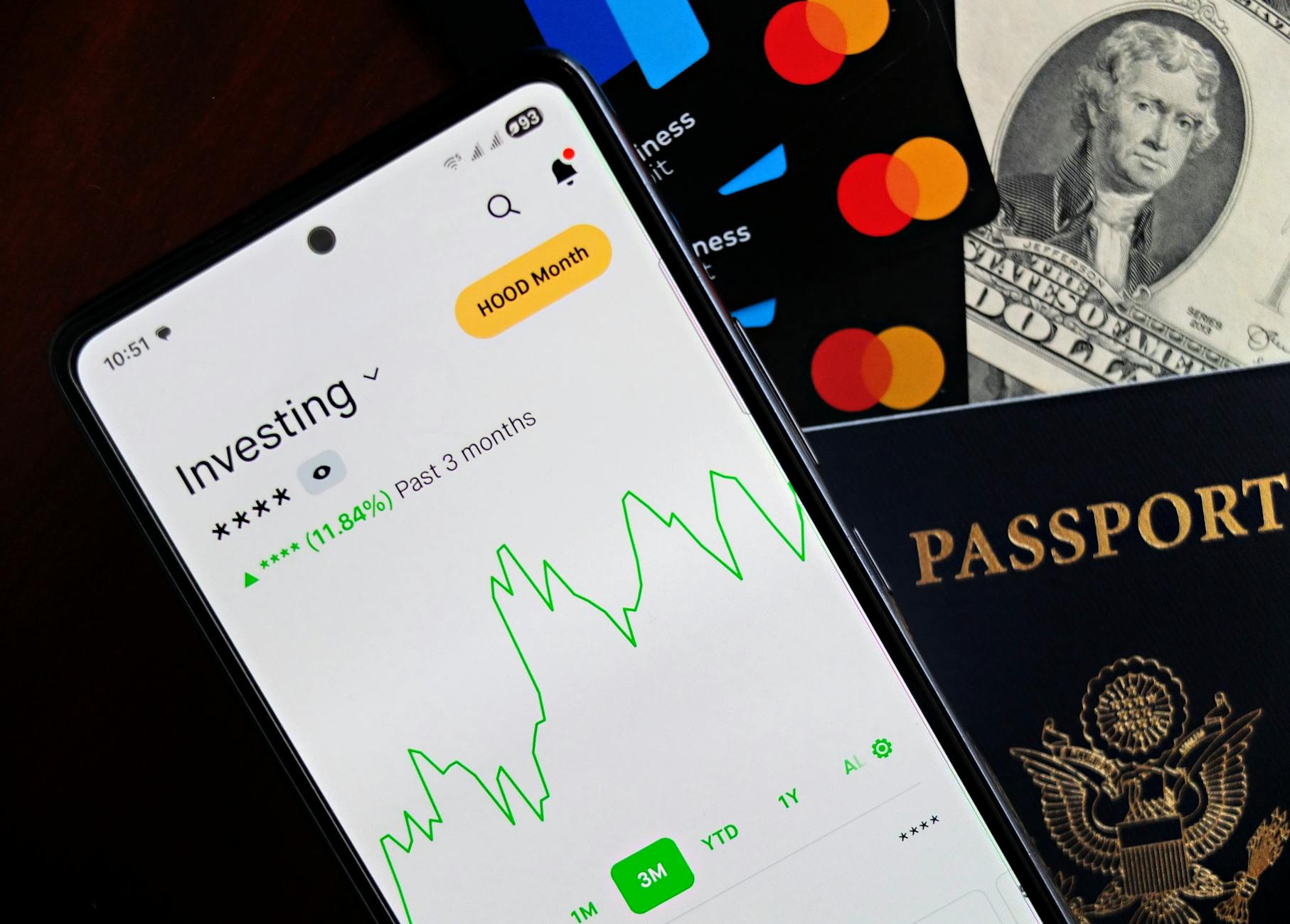
We live in an age of incredible financial innovation. Products and services once unimaginable are now commonplace – easily accessible through apps on our phones. But this ease often comes at a price. This price isn’t always immediately visible; it’s often buried within the abstraction itself. Financial abstraction, in essence, is simplifying complex realities into manageable, tradable instruments. While profoundly useful, these simplifications introduce hidden costs that savvy investors and consumers need to understand.
What is Financial Abstraction?
Think about a loaf of bread. You don’t need to understand the intricacies of wheat farming, milling, or baking to enjoy it. The loaf abstracts all that complexity into a single, consumable product. Financial abstractions do the same, but with money.
Here are a few key examples:
- Mortgages: Instead of saving for decades to buy a home outright, a mortgage abstracts that lengthy saving process into a series of monthly payments, tied to complex interest calculations and collateralized by the property itself.
- Stocks: Ownership in a company, abstracted into easily tradable shares. You don’t manage the company, understand its entire supply chain, or even know most of its employees – you own a small piece represented by a stock.
- Exchange-Traded Funds (ETFs): A basket of stocks, bonds, or other assets, abstracted into a single fund that trades like a stock. https://example.com/ offers a range of ETFs for various investment strategies.
- Derivatives (Options, Futures, Swaps): Contracts whose value is derived from an underlying asset, abstracting away the direct ownership of that asset and magnifying both potential gains and losses.
- Credit Cards: Abstracting purchasing power, allowing us to consume today and pay later (with interest, of course).
- Cryptocurrencies: Abstracting value away from traditional currencies and central bank control, though still reliant on underlying technological infrastructure.
These abstractions aren’t inherently bad. They’ve made financial markets more accessible, efficient, and liquid. However, their very nature creates opportunities for hidden costs to emerge.
The Core Costs of Abstraction
The costs aren’t always monetary. They can manifest in several ways:
- Loss of Understanding: The more abstracted something is, the less likely the average person is to fully grasp how it works. This lack of understanding can lead to poor decisions. If you don't understand how a mortgage is amortized, you might not realize how much interest you're paying over the life of the loan.
- Increased Complexity: Abstractions often build upon other abstractions, creating layers of complexity. A Collateralized Debt Obligation (CDO), infamous from the 2008 financial crisis, was an abstraction built on top of mortgage-backed securities, which were themselves abstractions of individual mortgages.
- Moral Hazard: When the consequences of actions are obscured, people may take on more risk than they otherwise would. If a bank knows it will be bailed out by the government, it might be more willing to engage in risky lending practices.
- Agency Problems: When someone else is managing your money (like a fund manager), their incentives might not perfectly align with your own. They might prioritize short-term gains over long-term sustainability.
- Information Asymmetry: Those creating the abstractions (financial institutions) often have a much deeper understanding than those using them (investors, consumers). This creates an uneven playing field.
Diving Deeper: Specific Examples & Their Costs
Let's look at some specific examples and the hidden costs associated with them.
1. Mortgages: The Illusion of Affordability
Image Suggestion: *A hand signing mortgage documents, looking stressed.
While making homeownership accessible, mortgages come with substantial hidden costs:
- Closing Costs: Fees for appraisal, title insurance, and origination can add thousands of dollars to the upfront cost.
- Interest Payments: The vast majority of mortgage payments in the early years go towards interest, not principal.
- Property Taxes & Insurance: Often escrowed, these are significant ongoing expenses.
- Opportunity Cost: Funds used for a down payment and monthly mortgage payments could be invested elsewhere.
- Risk of Foreclosure: Losing your home is a devastating financial consequence.
2. ETFs: Fees & Tracking Error
Image Suggestion: *A chart showing the difference between an ETF's performance and its underlying index.
ETFs are generally low-cost, but hidden costs still exist:
- Expense Ratios: The annual fee charged to manage the fund. Even seemingly small expense ratios can eat into returns over the long term.
- Trading Costs: Brokerage commissions and the "bid-ask spread" (the difference between the buying and selling price).
- Tracking Error: An ETF may not perfectly replicate the performance of its underlying index due to factors like fund management and sampling techniques.
- Tax Inefficiency: ETFs can generate capital gains distributions, even if you haven’t sold any shares, leading to unexpected tax liabilities.
3. Derivatives: Amplified Risk
Image Suggestion: *A rollercoaster representing the volatility of derivatives trading.
Derivatives are powerful tools, but also incredibly complex and risky:
- Leverage: Derivatives allow you to control a large amount of an asset with a relatively small amount of capital. This amplifies both potential gains and losses.
- Counterparty Risk: The risk that the other party to the contract will default.
- Model Risk: Derivatives pricing relies on complex mathematical models, which can be inaccurate or incomplete.
- Systemic Risk: The interconnectedness of derivatives markets can create systemic risk, where the failure of one institution can trigger a cascade of failures throughout the system.
Mitigating the Hidden Costs
So, how can you navigate these complex landscapes and minimize the hidden costs of financial abstractions?
- Financial Literacy: Invest in your financial education. Understand the basic principles of finance and the products you’re using. https://example.com/ has some excellent resources for beginners.
- Due Diligence: Don’t just take someone’s word for it. Research products thoroughly before investing. Read the fine print.
- Transparency: Favor products and services that are transparent about their fees and risks.
- Diversification: Don’t put all your eggs in one basket. Diversify your investments across different asset classes and geographies.
- Seek Professional Advice: Consider consulting a qualified financial advisor, especially for complex financial planning needs.
- Understand Your Risk Tolerance: Be honest with yourself about how much risk you're comfortable taking.
- Simplify: When possible, opt for simpler financial products. A direct investment in a well-diversified stock index fund might be preferable to a complex structured product.
The Future of Abstraction & Financial Well-being
Financial abstraction isn't going away. In fact, it's likely to become more prevalent as technology continues to evolve. The rise of DeFi (Decentralized Finance) offers exciting possibilities, but also introduces new layers of complexity and risk.
The key to navigating this evolving landscape is to remain vigilant, prioritize financial literacy, and understand the inherent trade-offs between convenience and cost. By recognizing the 'hidden' costs of great abstractions, we can make more informed financial decisions and build a more secure financial future.
Disclaimer:
I am an AI chatbot and cannot provide financial advice. This article is for informational purposes only and should not be considered a substitute for professional financial advice. The affiliate links provided are for illustrative purposes only, and I may receive a commission if you make a purchase through those links. Always do your own research and consult with a qualified financial advisor before making any investment decisions.