Late Bronze Age Collapse
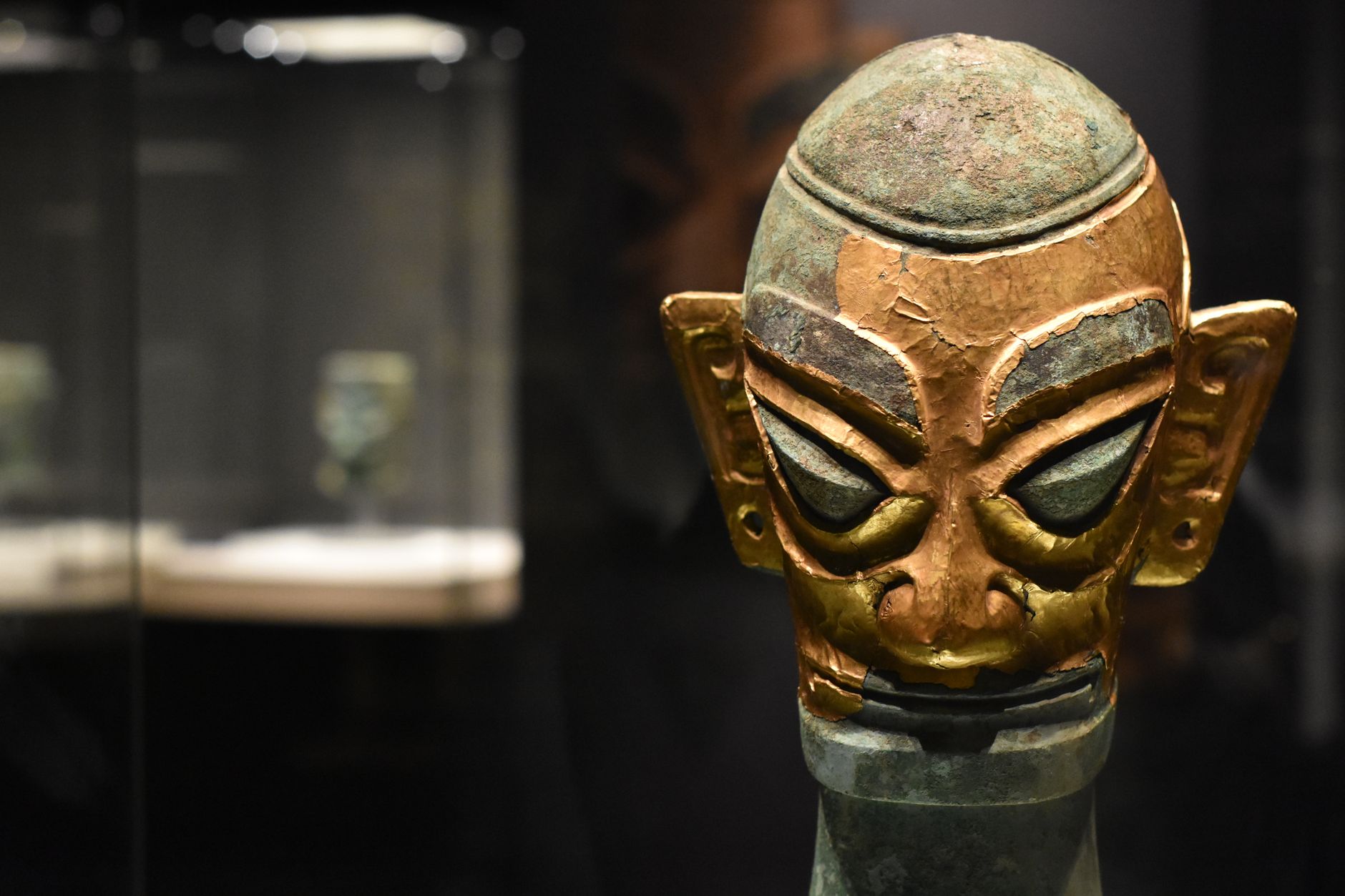
The Late Bronze Age Collapse, occurring around 1200 BCE, wasn’t just a period of political upheaval. It was a dramatic, interconnected failure of economic systems across a vast geographical area – the Eastern Mediterranean, Aegean, and Near East. Often depicted as a time of "Sea Peoples" and mysterious invasions, a closer look reveals a complex web of financial instability, trade disruptions, and potentially, early forms of systemic risk, offering surprisingly relevant lessons for the modern financial world. This article will delve into the economic factors contributing to the collapse and explore how understanding this ancient crisis can inform contemporary financial strategy.
What Was the Late Bronze Age Collapse?
For roughly three centuries – the Late Bronze Age (c. 1500-1200 BCE) – a relatively stable international order flourished. Powerful kingdoms like Mycenaean Greece, the Hittite Empire, Egypt (during the New Kingdom period), and kingdoms in the Levant were connected by extensive trade networks. These networks facilitated the exchange of vital resources: tin, copper, grain, and luxury goods. This interconnectedness created a degree of prosperity and peace – but also a fragility few recognized.
Then, within a few decades, almost everything fell apart. Palaces were burned, cities abandoned, populations displaced, and complex bureaucratic systems dissolved. While the exact triggers are debated, the scale of the collapse is undeniable. It wasn't a single event, but a cascade of failures that resonated throughout the region.
*Image suggestion: A map showing the major powers of the Late Bronze Age (Mycenaean Greece, Hittite Empire, Egypt, etc.) with trade routes highlighted.
The Economic Underpinnings of Bronze Age Prosperity
Before dissecting the collapse, it's crucial to understand the economic structures in place. These weren’t modern economies, but sophisticated systems nonetheless.
- Palace Economies: Most economic activity revolved around palaces – the administrative and religious centers of the ruling elite. Palaces controlled land, labor, and trade. They weren’t simply residences; they were the hubs of production and distribution. Think of them as proto-central banks and national treasuries combined.
- Gift Exchange & Reciprocity: A significant portion of economic interaction was based on gift exchange between rulers, establishing alliances and demonstrating power. This wasn’t purely altruistic; it was a form of economic and political leverage.
- Commodity-Based Value: While rudimentary forms of currency existed (often silver in weighed amounts), value was primarily attached to commodities – bronze, grain, oil, textiles. These were used for transactions and as stores of wealth.
- Trade Specialization: Different regions specialized in the production of specific goods, fostering interdependence. Cyprus was a major source of copper, Crete produced luxury goods, and Egypt provided grain.
- Long-Distance Trade: Trade routes stretched across the Mediterranean Sea, connecting distant regions and facilitating the flow of goods and ideas. This relied heavily on secure sea lanes.
The Warning Signs: Economic Stressors Before the Fall
The seeds of the collapse were sown long before 1200 BCE. Several interconnected economic stressors began to build up.
- Resource Depletion: Tin, essential for making bronze (the defining metal of the age), was becoming increasingly scarce. Tin sources were limited and located far from the main centers of power, creating supply chain vulnerabilities. Imagine the impact of a critical material becoming increasingly difficult and expensive to source – a familiar concern today. This led to inflation in the price of bronze goods.
- Trade Disruptions: Evidence suggests increasing disruptions to trade routes, possibly due to piracy or localized conflicts. A disruption in trade would have limited access to critical resources, impacting production and economic growth.
- Debt and Inequality: The palace economies, while providing stability, also fostered inequality. Evidence suggests growing debt burdens on the populace, potentially exacerbated by economic downturns. A growing debt crisis could lead to social unrest and instability.
- Climate Change: Recent research indicates a period of prolonged drought and climate change during this period. This would have severely impacted agricultural production, leading to famine and economic hardship. Climate change, then as now, was a significant risk factor.
- Over-reliance on Complex Systems: The very complexity of the interconnected trade networks and palace economies created systemic risk. A failure in one area could easily cascade to others.
*Image suggestion: An artistic depiction of a Late Bronze Age palace, showcasing its role as an economic center.
The Collapse: A Financial Perspective
The collapse wasn't a single cataclysm, but a series of cascading failures. From a financial perspective, it resembles a systemic crisis, not unlike the 2008 financial crisis or even the COVID-19 economic shock.
- Loss of Confidence: As trade routes were disrupted and resources became scarce, confidence in the existing economic system began to erode. This led to hoarding of resources and a decline in trade.
- Currency Devaluation: As the value of bronze fluctuated and trade declined, the value of existing forms of wealth – and potentially any early forms of currency – likely decreased. This created further economic uncertainty.
- Debt Defaults & Social Unrest: Widespread famine and economic hardship likely led to widespread debt defaults. This in turn fueled social unrest and weakened the authority of the ruling elites.
- Systemic Contagion: The collapse in one region – for example, the Hittite Empire – quickly spread to others. Interdependence, once a source of strength, became a vector for contagion. The failure of one major player triggered a domino effect.
- Breakdown of Financial Institutions (Palaces): The palace economies, unable to cope with the combined stresses, began to break down. This resulted in the loss of administrative control and the collapse of trade networks.
Lessons for Modern Finance
What can we learn from the Late Bronze Age Collapse about managing modern financial risk?
- Diversification: The Bronze Age economies were overly reliant on a few key resources and trade routes. Diversifying supply chains and investment portfolios is critical to mitigating risk. https://example.com/ can help you analyze different investment options.
- Systemic Risk Awareness: Understanding interconnectedness and the potential for systemic risk is paramount. Modern financial systems are incredibly complex; regulators and investors must be vigilant about identifying potential vulnerabilities.
- Debt Management: Unsustainable debt levels can destabilize economies. Prudent debt management, both at the individual and national level, is essential.
- Resource Security: Access to critical resources is vital. Investing in resource security and developing alternative sources can reduce vulnerability to supply chain disruptions.
- Climate Change Resilience: The Late Bronze Age Collapse underscores the economic impact of climate change. Investing in climate resilience and sustainability is not just environmentally responsible; it's economically sound.
- The Importance of Adaptability: The societies that survived the collapse, or at least weathered it better, were those that were more adaptable and able to innovate.
*Image suggestion: A modern infographic illustrating the concept of systemic risk.
Investing for a Future Informed by the Past
Understanding historical parallels isn’t about predicting the future, but about recognizing patterns and building resilience. Diversifying your investment portfolio, focusing on long-term sustainability, and staying informed about global risks are all strategies that align with the lessons of the Late Bronze Age Collapse. Resources like https://example.com/ offer valuable insights into portfolio diversification and risk management. Consider allocating funds to sectors less vulnerable to supply chain disruptions and climate change.
Disclaimer
Affiliate Disclosure: This article contains affiliate links to products and services. If you make a purchase through these links, we may earn a commission. This does not affect the price you pay. We only recommend products and services we believe provide value to our readers.