Mercedes-Benz commits to bringing back physical buttons
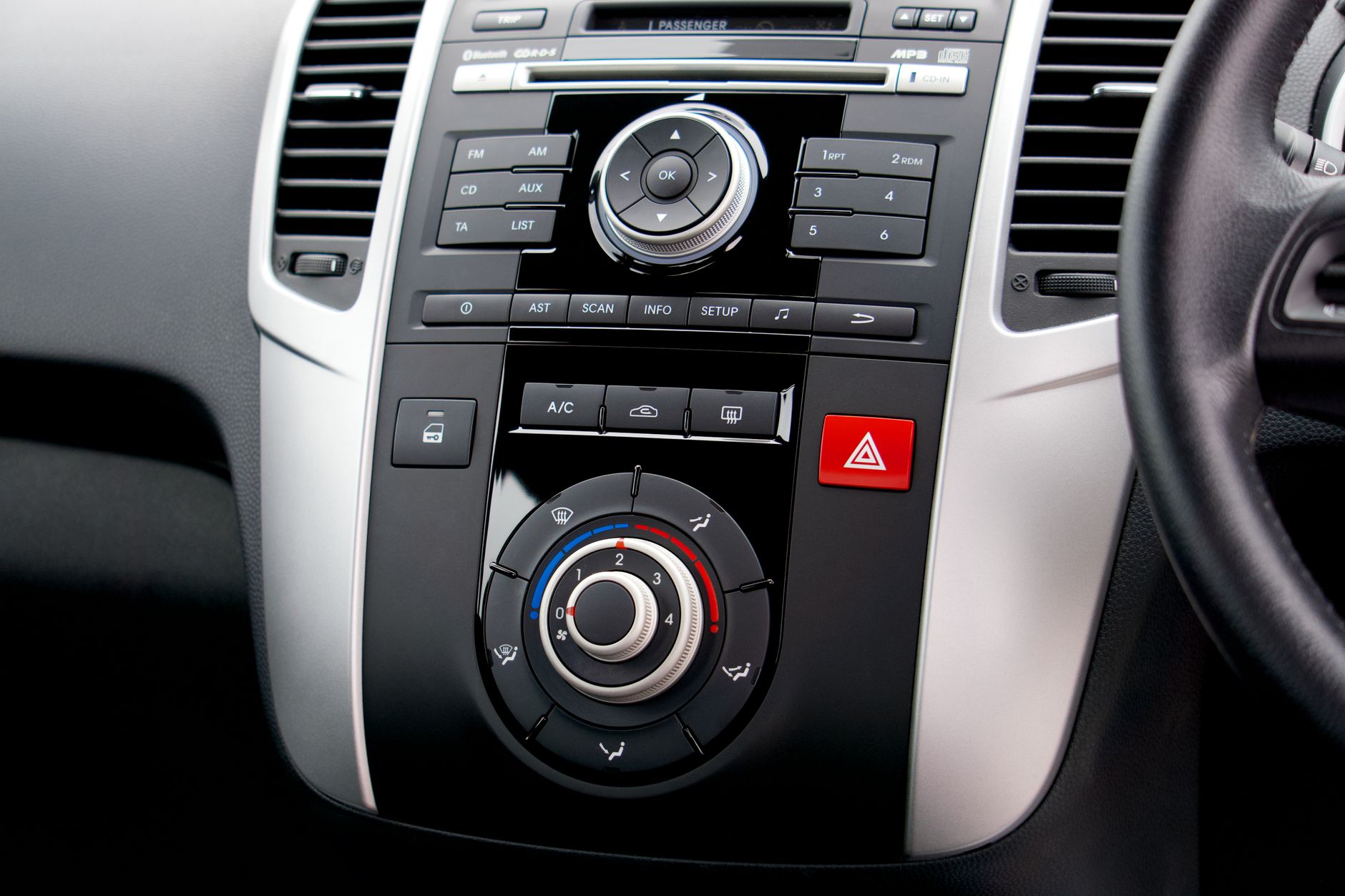
For years, the automotive industry has been on a relentless quest to replace tactile, physical controls with sleek, minimalist touchscreens. Mercedes-Benz, a pioneer in luxury and technology, was at the forefront of this movement. However, recent announcements signal a dramatic U-turn. The German automaker is committing to bringing back physical buttons and controls, acknowledging a resounding customer preference for the familiar feel and functionality of traditional interfaces.
This isn't just a matter of driver convenience; it's a significant financial story. This article will delve into the reasons behind Mercedes-Benz’s decision, analyzing the impact on customer satisfaction, brand perception, and ultimately, the company’s bottom line – and what it means for investors considering auto stocks.
The Touchscreen Takeover: A Luxury That Backfired?
The push towards touchscreens in vehicles stemmed from several factors. Automakers believed (and still believe) that streamlined interfaces project an image of technological sophistication. Consolidating functions onto a single screen was seen as a way to reduce clutter and create a more futuristic cabin aesthetic. Furthermore, software updates could theoretically add features and fix bugs more easily with a centralized, screen-based system.
However, this vision overlooked a crucial element: human factors. Drivers quickly voiced concerns about the safety and usability of these systems. Key issues included:
- Distraction: Requiring drivers to navigate complex menus to adjust simple functions like climate control or volume significantly increases distraction, potentially leading to accidents.
- Usability While Driving: Finding and activating a specific function on a touchscreen while keeping your eyes on the road proved challenging, even with voice control assistance.
- Lack of Tactile Feedback: Without the physical confirmation of pressing a button, drivers often found themselves second-guessing whether their inputs were registered.
- Reliability & Cost of Repair: Complex touchscreen systems are prone to failure and can be expensive to repair or replace. A physical button is often far more durable.
Mercedes-Benz’s MBUX infotainment system, while lauded for its features, became a focal point of this criticism. Customer complaints mounted, impacting brand perception and, crucially, purchase decisions. A recent J.D. Power study highlighted declining customer satisfaction with infotainment systems across numerous brands, with a clear correlation between touchscreen-heavy designs and lower scores.
The Financial Impact of Customer Dissatisfaction
Ignoring customer feedback isn't just bad for brand image; it directly affects a company’s financial performance. Here's how Mercedes-Benz (and the wider automotive industry) suffered from the touchscreen-first approach:
- Reduced Sales: Potential buyers were reportedly choosing competing vehicles with more user-friendly interfaces. This directly impacts sales volume.
- Lower Brand Loyalty: Frustrated customers are less likely to repurchase from the same brand in the future. Building and maintaining brand loyalty is a cornerstone of long-term profitability.
- Increased Warranty Claims: Infotainment system malfunctions led to increased warranty claims, adding to the company's expenses.
- Negative Word-of-Mouth: Dissatisfied customers spread negative reviews and experiences, influencing the purchasing decisions of others.
- Potential Impact on Residual Values: Vehicles with notoriously difficult-to-use systems may see lower resale values, impacting leasing rates and overall customer lifecycle value.
The Reversal: A Strategic Shift Driven by Data and Dollars
Mercedes-Benz's decision to reintroduce physical controls isn’t a concession; it’s a strategic realignment based on sound business principles. The company is essentially acknowledging that prioritizing usability and driver safety over purely aesthetic considerations will yield better financial results.
The return of physical buttons is being implemented in phases, starting with the redesigned E-Class. Early indications show a focus on frequently used functions like climate control, volume, and hazard lights. The plan isn’t to abandon touchscreens entirely, but rather to integrate them with physical controls to create a more balanced and intuitive user experience.
Ola Källenius, CEO of Mercedes-Benz, has publicly stated the company’s commitment to listening to customer feedback. This responsiveness is a positive signal to investors, demonstrating a willingness to adapt and prioritize customer satisfaction. It demonstrates a proactive approach to mitigating risk and maximizing long-term value.
Implications for the Automotive Industry & Investors
Mercedes-Benz’s move is likely to have ripple effects throughout the automotive industry. Other automakers, facing similar criticisms of their touchscreen-heavy designs, may follow suit. This could trigger a broader industry trend towards a more human-centered approach to vehicle interface design.
Here's what investors should consider:
- Positive for Daimler (MBG.DE): This decision positions Mercedes-Benz to regain lost ground in customer satisfaction and potentially boost sales. A more positive brand perception can translate to a higher stock price. Analyzing Daimler’s quarterly reports for mentions of customer satisfaction metrics will become increasingly important.
- Increased Focus on UX Design: Companies that prioritize user experience (UX) and human factors engineering are likely to outperform those that don’t. Investors should look for automakers investing in these areas.
- Potential for Component Suppliers: The increased demand for physical buttons and controls could benefit component suppliers specializing in these products. Researching suppliers to Mercedes-Benz, like [AFFILIATE_LINK_AMAZON_PRODUCT – for a relevant automotive component supplier or diagnostic tool], could reveal investment opportunities.
- Software vs. Hardware Balance: The industry is heading towards a more balanced approach, where software and hardware work in harmony. Companies that can effectively integrate both will have a competitive advantage.
Beyond Buttons: The Future of Vehicle Interfaces
The return of physical buttons is just one piece of the puzzle. The future of vehicle interfaces will likely involve:
- Voice Control Improvements: More sophisticated and reliable voice control systems will become increasingly important, allowing drivers to access functions without taking their hands off the wheel or their eyes off the road.
- Heads-Up Displays (HUDs): Projecting key information onto the windshield can minimize driver distraction.
- Haptic Feedback: Adding tactile feedback to touchscreens can improve usability and reduce errors.
- Personalized Interfaces: Vehicles will learn driver preferences and adapt the interface accordingly.
- Augmented Reality (AR): Integration of AR within the driving experience to assist with navigation and safety.
A Table Summarizing the Shift: Touchscreen Era vs. Hybrid Era
| Feature | Touchscreen Era | Hybrid Era |
|---|---|---| | Focus | Minimalism, Technological Sophistication | Usability, Driver Safety | | Controls | Primarily Touchscreen | Integrated Touchscreen & Physical Buttons | | Customer Satisfaction | Declining (as per J.D. Power) | Expected to Improve | | Distraction Level | High | Reduced | | Repair Costs | Potentially High | Moderate | | Brand Perception | Can be seen as overly complex | More accessible and driver-focused | | Investment Outlook | Uncertain for companies clinging to purely touchscreen designs | Positive for companies adapting to driver needs |
Conclusion: A Smart Move for Mercedes-Benz – and a Lesson for the Industry
Mercedes-Benz’s decision to bring back physical buttons is a testament to the power of listening to customers. It demonstrates a willingness to prioritize usability and safety over fleeting design trends. This isn't a step backward; it's a smart business move that is likely to improve customer satisfaction, strengthen brand loyalty, and ultimately boost the company’s financial performance. For investors, this reversal serves as a reminder that in the automotive industry, as in any other, understanding and responding to customer needs is paramount to long-term success.
Disclaimer: I am an AI chatbot and cannot provide financial advice. This article is for informational purposes only and should not be considered a recommendation to buy or sell any stock or investment. Always conduct your own thorough research and consult with a qualified financial advisor before making any investment decisions. The affiliate links provided are for illustrative purposes only, and I may receive a commission if you make a purchase through them.