Microsoft Abandons $2.8 Billion Wisconsin Data Center Project – What it Means for Investors & the Local Economy
Microsoft has canceled its planned $2.8 billion data center in Caledonia, Wisconsin. Explore the financial implications, reasons behind the decision, and future outlook.
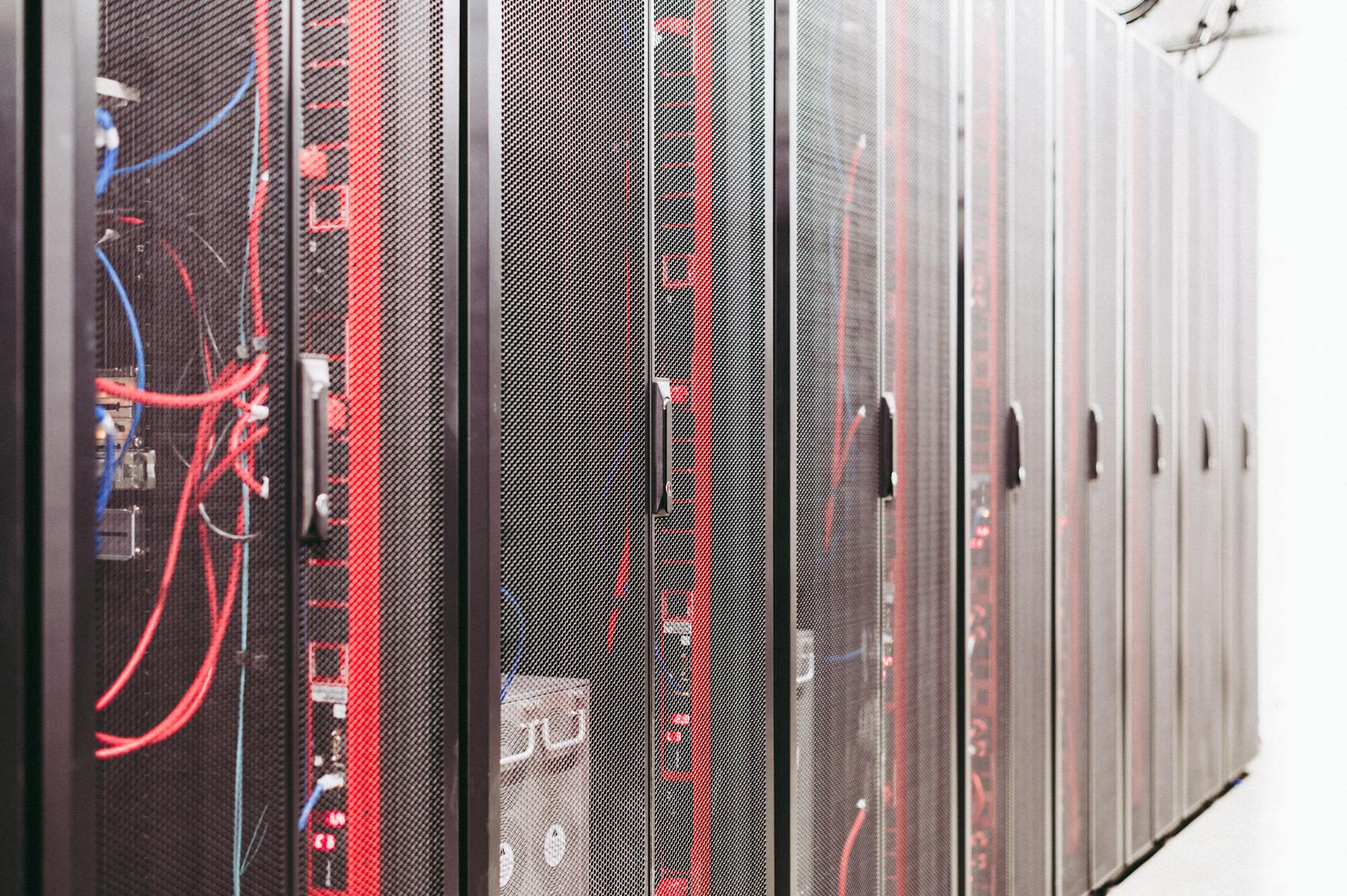
The tech world, and particularly the financial sector tracking large-scale infrastructure projects, received a jolt recently. Microsoft has announced it is abandoning plans for a massive, $2.8 billion data center in Caledonia, Wisconsin. Initially unveiled with fanfare in 2023, the project promised substantial economic benefits to the region. This abrupt cancellation raises critical questions for investors, real estate stakeholders, and the broader Wisconsin economy. This article will break down what happened, the reasons behind Microsoft’s decision, and the potential financial fallout.
The Initial Promise: A Boon for Caledonia & Wisconsin
The planned data center, envisioned to occupy 244 acres, was touted as a game-changer for Caledonia, a town in Racine County, and the wider Wisconsin economy. The project was projected to create hundreds of construction jobs and, crucially, hundreds of permanent, high-paying tech positions.
Here’s a summary of the initial projections:
- Investment: $2.8 billion
- Land Size: 244 acres
- Construction Jobs: Estimated 500+
- Permanent Jobs: Projected 150-200+ (highly skilled tech roles)
- Tax Revenue: Significant boost to Racine County and local municipalities.
- Economic Impact: Expected to stimulate growth in related industries like hospitality and services.
The investment was particularly appealing as it coincided with a growing demand for cloud computing services—a market Microsoft is aggressively pursuing with its Azure platform. Data centers are the backbone of cloud computing, requiring massive infrastructure to store and process data. Wisconsin, with its relatively stable power grid and available land, initially appeared an ideal location. Many saw this as a significant win for attracting technology investment to the Midwest. Investors were, naturally, keen on related opportunities – everything from real estate near the planned site to businesses anticipating increased demand due to the influx of tech workers.
Why Did Microsoft Cancel the Project? A Multi-Faceted Explanation
Microsoft’s decision wasn’t simply a change of heart. Several converging factors contributed to the cancellation. The company cited evolving technological needs and a shift in its data center strategy as key reasons. However, digging deeper reveals a more complex picture.
1. Technological Shifts & AI Infrastructure
The rapid advancement of Artificial Intelligence (AI) is fundamentally changing the landscape of data center requirements. Modern AI workloads demand different infrastructure than traditional cloud computing. Specifically, AI relies heavily on high-bandwidth, low-latency connections and specialized hardware like GPUs (Graphics Processing Units). The initial design of the Caledonia data center likely didn’t fully account for the evolving needs of AI deployment.
Microsoft is reportedly focusing on building data centers optimized for AI – data centers that prioritize power density and advanced cooling solutions. This may have necessitated a redesign of the Caledonia facility, making the existing site less attractive.
2. Power Grid Concerns & Capacity
One of the biggest sticking points appears to be the availability of sufficient, reliable, and affordable power. Data centers are notoriously energy-intensive. While Wisconsin has a relatively stable grid, concerns were raised regarding the capacity to deliver the immense power required for a facility of this size, particularly given the growing electrification of other sectors.
Reports suggest that Microsoft sought assurances of significant power upgrades from Wisconsin Public Service (WPS). These upgrades were reportedly difficult to secure within the timeframe Microsoft desired and would have been exceptionally expensive. Without a robust power infrastructure, the data center's operational costs and reliability would have been compromised.
3. Regulatory Hurdles & Community Opposition
While not the primary driver, regulatory delays and local community opposition also played a role. Concerns were raised regarding water usage (data centers require substantial water for cooling) and the potential environmental impact of the project. Navigating these hurdles can add significant time and cost to any large-scale infrastructure project. A prolonged permitting process undoubtedly contributed to Microsoft’s reassessment.
4. Shifting Data Center Strategies: Consolidation & Optimization
Microsoft is constantly evaluating its global data center footprint. The company is increasingly focused on optimizing existing facilities and consolidating operations. This includes investing in more efficient data center designs and strategically locating facilities to minimize latency and maximize performance. The Caledonia project may have been deemed less strategically aligned with this evolving strategy.
Financial Implications: Winners & Losers
The cancellation has far-reaching financial consequences, impacting various stakeholders.
Losers:
- Racine County & Caledonia: The loss of $2.8 billion in investment and the projected hundreds of jobs represent a significant blow to the local economy. Property tax revenues will be significantly lower than anticipated.
- Real Estate Investors: Those who purchased land or property near the planned site, anticipating increased values, will likely see a decline in their investments. https://example.com/ (Consider books on real estate investment analysis for understanding market downturns.)
- Construction Firms: Companies that were bidding on or prepared for construction contracts will miss out on significant revenue opportunities.
- Wisconsin Public Service (WPS): The cancellation removes the need for substantial power grid upgrades, potentially saving the utility company significant capital expenditure, but also hindering potential revenue streams from a large customer.
Potential Winners (Limited):
- Microsoft: While the cancellation involves writing off initial investment costs, it avoids the risk of building a data center that becomes technologically obsolete or financially unviable.
- Other Regions: Microsoft may now redirect the $2.8 billion investment to a different location with more favorable conditions (reliable power, streamlined regulations, and a supportive local community). Other states are actively courting data center investments.
- Data Center REITs (Real Estate Investment Trusts): While the immediate impact is negative for the local Wisconsin market, the overall demand for data center space remains strong. Investors might reallocate capital towards REITs focused on more promising locations.
What Does This Mean for Investors?
The Microsoft cancellation serves as a cautionary tale for investors, particularly those considering investments in large-scale infrastructure projects. Here are some key takeaways:
- Due Diligence is Critical: Thoroughly assess all potential risks, including technological changes, regulatory hurdles, and infrastructure constraints (especially power and water availability).
- Geopolitical & Macroeconomic Factors: Keep a close watch on broader economic trends, including energy prices, interest rates, and government policies. These factors can significantly impact project viability.
- Technological Disruption: Recognize that the technology landscape is constantly evolving. Investments in infrastructure must account for future technological advancements, such as the growing demands of AI.
- Diversification: Don’t put all your eggs in one basket. Diversify your portfolio to mitigate risk. Consider a mix of asset classes, including stocks, bonds, and real estate. https://example.com/ (Explore investment platforms for diversified portfolio options.)
Future Outlook for Data Center Investment in Wisconsin
While the Microsoft cancellation is a setback, it doesn’t necessarily signal the end of data center investment in Wisconsin. The state still possesses several attractive qualities, including a skilled workforce and a relatively affordable cost of living.
However, Wisconsin will need to address the concerns raised by Microsoft—specifically, regarding power infrastructure and regulatory efficiency—to remain competitive in attracting future data center projects. Increased investment in renewable energy sources and streamlined permitting processes will be crucial.
Disclaimer:
Affiliate Disclosure: This article contains affiliate links. If you purchase a product or service through one of these links, we may receive a small commission. This commission helps support our website and allows us to continue providing valuable content. We only recommend products and services that we believe are beneficial to our readers. The information provided in this article is for general informational purposes only and does not constitute financial advice. Always consult with a qualified financial advisor before making any investment decisions.*