Minnesota becomes first state to ban prediction markets
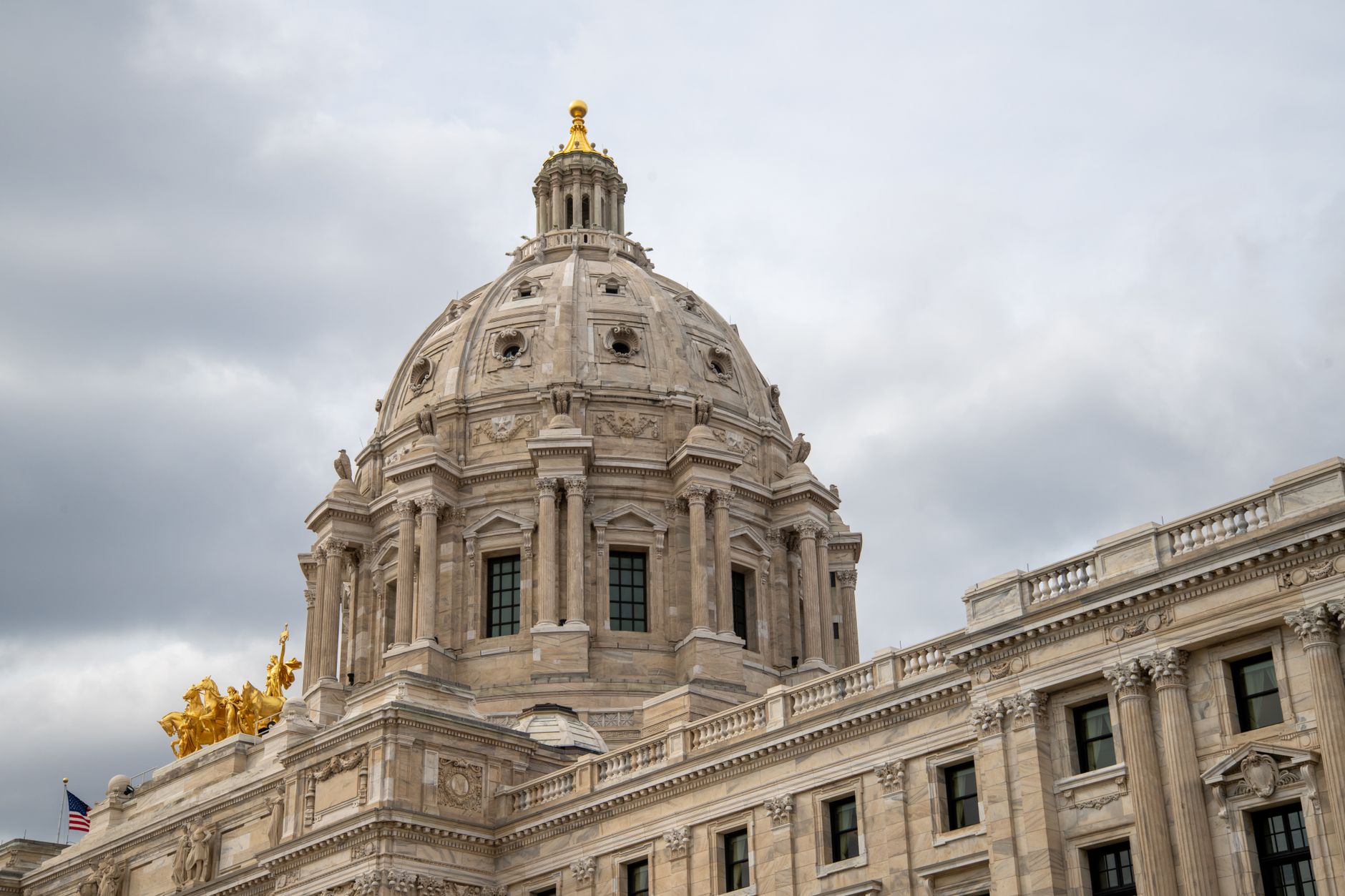
Minnesota recently made history – and sparked considerable controversy – by becoming the first U.S. state to outright ban prediction markets. This landmark decision has sent ripples through the financial world, raising complex questions about the intersection of finance, free speech, and the burgeoning field of event-based trading. But what are prediction markets, why did Minnesota ban them, and what does this mean for the future of forecasting and financial innovation? This article will delve deep into the details.
What Are Prediction Markets?
Prediction markets, also known as event futures or information markets, aren't your typical stock exchange. Instead of trading shares in companies, participants trade contracts based on the outcome of future events. These events can range from the mundane – like the weather next Tuesday – to the significant – like the winner of the next presidential election.
Think of it like a formalized, regulated form of betting. However, the key difference is the intention: prediction markets aren’t primarily about gambling; they’re about aggregating information. The prices of these contracts reflect the collective wisdom of the crowd, providing a real-time forecast of the probability of a specific outcome.
Here's a breakdown of how they typically work:
- Contract Creation: A prediction market operator (like Kalshi, which is central to this story) creates contracts based on specific events.
- Trading: Participants buy “yes” contracts (betting the event will happen) and “no” contracts (betting the event won't happen).
- Price Fluctuations: The price of these contracts fluctuates based on supply and demand. If many people believe an event is likely, the “yes” contract price will rise, and the “no” contract price will fall – and vice-versa.
- Settlement: When the event occurs, the contracts are settled. “Yes” contracts pay out $1 per contract if the event happens; “no” contracts pay out $1 if it doesn't.
- Profit/Loss: Traders profit or lose based on the difference between the price they paid for the contract and the final payout.
The Minnesota Ban: A Timeline & Key Players
The controversy in Minnesota centered around Kalshi, a New Jersey-based exchange that received approval from the Commodity Futures Trading Commission (CFTC) to offer contracts on the outcome of U.S. elections. Kalshi planned to allow trading on which party would control the House and Senate.
The initial concern wasn't about whether prediction markets should exist (the CFTC had already weighed in on that), but about where they could operate. Kalshi argued it could operate legally in any state, citing the CFTC’s federal oversight.
Minnesota Attorney General Keith Ellison disagreed vehemently. He filed a lawsuit in September 2023, arguing that these contracts violated Minnesota’s gambling laws, specifically those prohibiting wagering on political outcomes. He claimed these contracts were, in essence, illegal sports betting on elections.
A Ramsey County judge sided with Ellison in February 2024, issuing a permanent injunction barring Kalshi from offering these contracts to Minnesota residents. This ruling is what constitutes the first state-level ban on prediction markets in the United States.
Why Did Minnesota Ban Them? The Arguments For & Against
The Minnesota ban wasn't a simple decision. It’s rooted in a clash of ideologies and legal interpretations. Here's a look at the key arguments on both sides:
Arguments For the Ban:
- Gambling Laws: Minnesota’s Attorney General successfully argued that the contracts fall under the state’s definition of illegal gambling, particularly betting on political events.
- Election Integrity: Concerns were raised that prediction markets could potentially influence elections or create the perception of manipulation. The fear is that large trades could, even if unintentionally, sway public opinion.
- Protecting Citizens: Some believe prediction markets are inherently risky and could lead to financial losses for unsophisticated investors.
- State Sovereignty: Minnesota asserted its right to regulate activities within its borders, even if the CFTC had granted federal approval.
Arguments Against the Ban:
- First Amendment Rights: Kalshi and proponents of prediction markets argue the ban infringes on free speech rights. Trading in these contracts is seen as a form of political expression.
- Information Aggregation: Critics of the ban contend that prediction markets provide valuable insights and accurate forecasts that can benefit policymakers and the public. The "wisdom of the crowd" is a powerful forecasting tool.
- Financial Innovation: Banning prediction markets stifles financial innovation and could discourage other potentially beneficial technologies from emerging. https://example.com/ offers resources for understanding financial market innovation.
- CFTC Authority: Kalshi maintains the CFTC has the primary authority to regulate these markets, preempting state laws. The CFTC did approve Kalshi’s operation, believing it complied with federal regulations.
The Broader Implications: What This Means for the Future
The Minnesota ban is a watershed moment for prediction markets. It’s unlikely to be the last legal challenge. Here’s what we can expect:
- Legal Battles Continue: Kalshi is likely to appeal the ruling, potentially escalating the issue to the Minnesota Supreme Court and potentially even federal courts. This legal fight will clarify the balance of power between state and federal regulation.
- Increased Scrutiny: Other states will likely closely watch the outcome of the legal proceedings in Minnesota and may consider similar bans.
- Impact on Innovation: The ban sends a chilling effect to other companies considering entering the prediction market space. It raises the risk of increased regulatory hurdles.
- Focus on Market Design: The debate may shift towards refining the design of prediction markets to address concerns about gambling and manipulation. For example, limits on contract size or stricter know-your-customer requirements might be considered.
- Alternative Forecasting Methods: The ban may drive increased investment in alternative forecasting methods, such as polling and expert analysis, though these methods are often less accurate than well-designed prediction markets.
Kalshi and Other Players in the Prediction Market Space
While Kalshi is currently the most visible player, it’s not the only one. Here's a quick overview of key players:
| Company/Platform | Focus | Regulation |
|---|---|---|
| Kalshi | Political & Event Futures | CFTC Approved |
| Iowa Electronic Markets | Political Futures | University of Iowa |
| Metaculus | Forecasting a Wide Range of Events | Private Platform |
| PredictIt | Political Events | CFTC No-Action Letter (now expired) |
| Hypermind | Event-Based Forecasting | Private Platform |
Where to Learn More About Financial Markets and Investing
Understanding the complexities of financial markets, including both traditional and emerging areas like prediction markets, is crucial. Here are some resources:
- Investopedia: https://www.investopedia.com/ A comprehensive resource for financial definitions, tutorials, and news.
- Bloomberg: https://www.bloomberg.com/ Provides real-time financial data, news, and analysis.
- The Wall Street Journal: https://www.wsj.com/ A leading source of business and financial news. https://example.com/ provides subscription options and access to insightful financial reporting.
- Khan Academy: https://www.khanacademy.org/economics-finance-domain Offers free online courses on a wide range of financial topics.
Conclusion
The Minnesota ban on prediction markets is a significant setback for financial innovation and raises important questions about the future of forecasting. While the legal battle is far from over, this decision serves as a stark reminder of the challenges inherent in introducing new financial technologies and the ongoing tension between state and federal regulatory authority. The outcome will undoubtedly shape the landscape of prediction markets for years to come.
Disclaimer:
This article contains affiliate links. If you purchase a product or service through these links, we may receive a small commission at no extra cost to you. This helps support our website and allows us to continue providing valuable content. We only recommend products and services we believe are helpful and relevant to our audience.