Modern decor may be straining people's brains
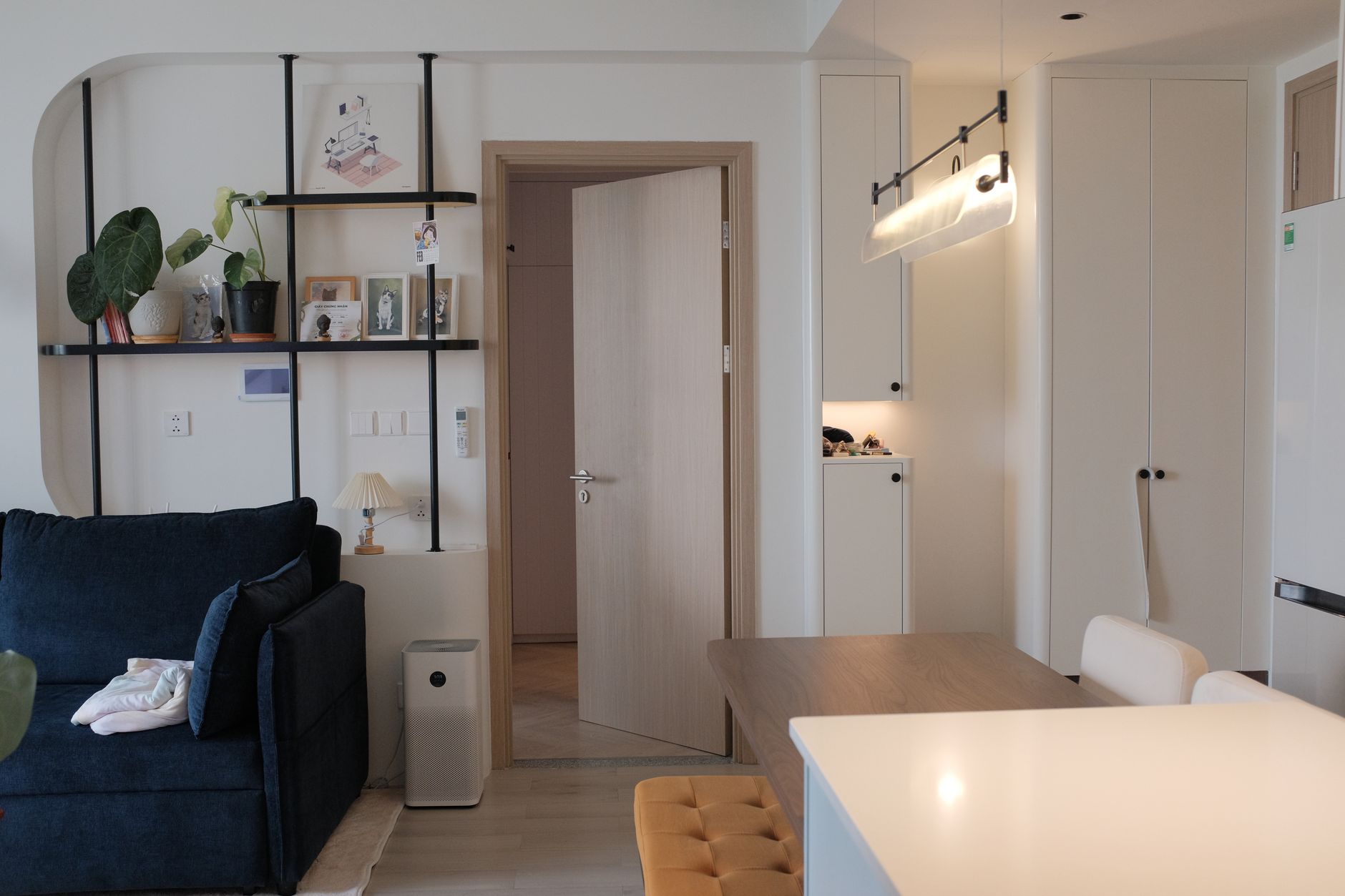
The clean lines, the neutral palettes, the curated spaces… Modern decor is everywhere. From magazine covers to Instagram feeds, we’re constantly bombarded with images of serene, minimalist homes. But what if this pursuit of aesthetic perfection is actually harming your financial wellbeing – and even your mental health? It's a surprising idea, but emerging research suggests a strong link between our surroundings and our cognitive load, and ultimately, our financial decisions. This article dives deep into how modern decor trends can contribute to stress, impulsive spending, and a feeling of being constantly “behind,” and what you can do about it.
The Rise of the "Aesthetic" and the Pressure to Keep Up
For decades, home decor was about comfort and practicality. Things were kept because they were useful. Today? It’s increasingly about projecting an image. Social media has amplified this trend, turning our homes into stages for carefully constructed personas.
This creates a relentless pressure to keep up with the latest trends. That perfectly styled living room didn't just happen. It’s a product of deliberate purchases, often driven by what looks good on Instagram, not what actually enhances your life. Consider the “shelfie” – the artfully arranged bookcase. How many of those books have actually been read? It's a visual representation of aspiration, but at what cost?
This pressure impacts finances in a number of ways:
- Impulse Buying: Scrolling through Pinterest or Instagram often leads to spontaneous purchases of items you don't truly need.
- Constant Redecoration: Trends change rapidly. What's “in” today is “out” tomorrow, leading to a cycle of replacing perfectly good items.
- Debt Accumulation: Funding these aesthetic upgrades often relies on credit cards and loans, creating a debt burden.
- The “Comparison Trap”: Seeing others' beautifully decorated homes can trigger feelings of inadequacy and a desire to spend more to match them.
The Neuroscience of Clutter (and the Illusion of Calm)
While minimalism aims for calm, the pursuit of it can be surprisingly stressful. Modern decor, with its emphasis on open space and minimal possessions, often creates a sense of visual austerity. But our brains aren’t necessarily wired for this.
Neuroscience tells us that clutter – within reasonable limits – can actually be comforting. Surrounded by objects that hold meaning and memories activates positive emotions. A carefully curated collection of books, art, and souvenirs can create a feeling of warmth and belonging.
The problem isn't having things. It’s having disorder. But overly sparse environments can lead to a different kind of stress:
- Increased Cognitive Load: A visually empty space can paradoxically increase cognitive load. Our brains are constantly scanning for stimuli. In a blank environment, they work harder, leading to mental fatigue. This fatigue impacts decision-making, making you more susceptible to impulsive spending.
- The “Spotlight Effect”: Minimalist spaces often feel “precious.” You’re hyper-aware of every object and constantly worry about disturbing the aesthetic. This creates a sense of anxiety and prevents you from truly relaxing.
- Lack of Personalization: A home that feels like a showroom, rather than a personal sanctuary, can be emotionally draining.
How Modern Decor Impacts Your Financial Decisions
The link between mental wellbeing and financial decisions is well-established. Stress, anxiety, and fatigue all impair our ability to make rational choices about money. Modern decor, through its contribution to these negative emotions, can indirectly lead to poor financial habits.
Here’s how:
- Emotional Spending: Feeling overwhelmed or inadequate can trigger emotional spending as a coping mechanism. A new piece of furniture might provide a temporary boost, but it doesn't address the underlying problem.
- Difficulty Budgeting: Mental fatigue makes it harder to focus on long-term financial goals. You’re more likely to overspend and neglect budgeting.
- Susceptibility to Marketing: A stressed brain is more easily influenced by advertising and marketing tactics. You're more likely to fall for the latest "must-have" item.
- Reduced Savings: Constant spending on home decor leaves less money available for saving and investing.
Beyond Minimalism: Finding a Balance for Financial and Mental Wellbeing
So, what's the solution? It’s not about abandoning all aesthetics. It’s about being mindful of how your environment impacts your wellbeing and finances. Here are some practical steps:
- Embrace "Comfort Core": Focus on creating a space that feels genuinely comforting and restorative for you. Don’t worry about what’s trending. Surround yourself with things you love, even if they don't fit a specific aesthetic.
- Prioritize Functionality: Before making any purchase, ask yourself: “Is this item truly useful?” If it doesn’t serve a practical purpose, or bring you genuine joy, it's probably not worth buying.
- Budget for Decor – Realistically: If you want to redecorate, set a realistic budget and stick to it. Consider thrifting, repurposing, and DIY projects. https://example.com/ offers a wide selection of affordable decor items.
- Declutter with Intention: Don't declutter just for the sake of it. Focus on removing items that no longer serve you or bring you joy. A well-organized space can reduce stress and improve focus.
- Create Zones for Relaxation: Designate specific areas of your home for relaxation and mindfulness. This could be a cozy reading nook, a meditation space, or a home office.
- Don’t Compare: Remember that social media presents a curated version of reality. Focus on creating a home that reflects your values and lifestyle, not someone else’s.
The Financial Implications: Home Value and ROI
While aesthetic updates can sometimes increase home value, the return on investment (ROI) isn't always as high as you might think. Expensive, trendy renovations often don't recoup their costs.
Here's a breakdown of home improvements and their typical ROI (estimates can vary significantly based on location and market conditions):
| Improvement | Average ROI |
|---|---| | Kitchen Remodel (Mid-Range) | 53.5% | | Bathroom Remodel (Mid-Range) | 58.5% | | Landscaping | 55% | | New Siding | 68% | | Painting (Interior) | 50% | | Minor Kitchen Remodel | 71.3% | | Trendy Decor Updates | 20-40% (Often Lower) |
As you can see, focusing on essential upgrades like kitchen and bathroom remodels generally yields a higher ROI than purely aesthetic changes. Investing in energy efficiency and curb appeal are also smart financial moves. Before embarking on a costly decor project, consider whether the potential increase in home value justifies the expense. https://example.com/ has tools to help calculate potential ROI on home improvements in your area.
Taking Control: A Path to Financial and Emotional Freedom
The pursuit of a beautiful home shouldn’t come at the expense of your financial and mental wellbeing. By being mindful of the hidden costs of modern decor, and prioritizing comfort, functionality, and personalization, you can create a space that truly supports your life. Remember, a home is more than just a reflection of your style; it’s a sanctuary where you can relax, recharge, and thrive.
Disclaimer:
This article contains affiliate links, meaning we may earn a commission if you make a purchase through those links. This comes at no extra cost to you, and helps support our work. The information provided in this article is for general informational purposes only and does not constitute financial advice. It is essential to consult with a qualified financial advisor for personalized guidance based on your individual circumstances.