Mozilla to UK regulators: VPNs are essential privacy and security tools
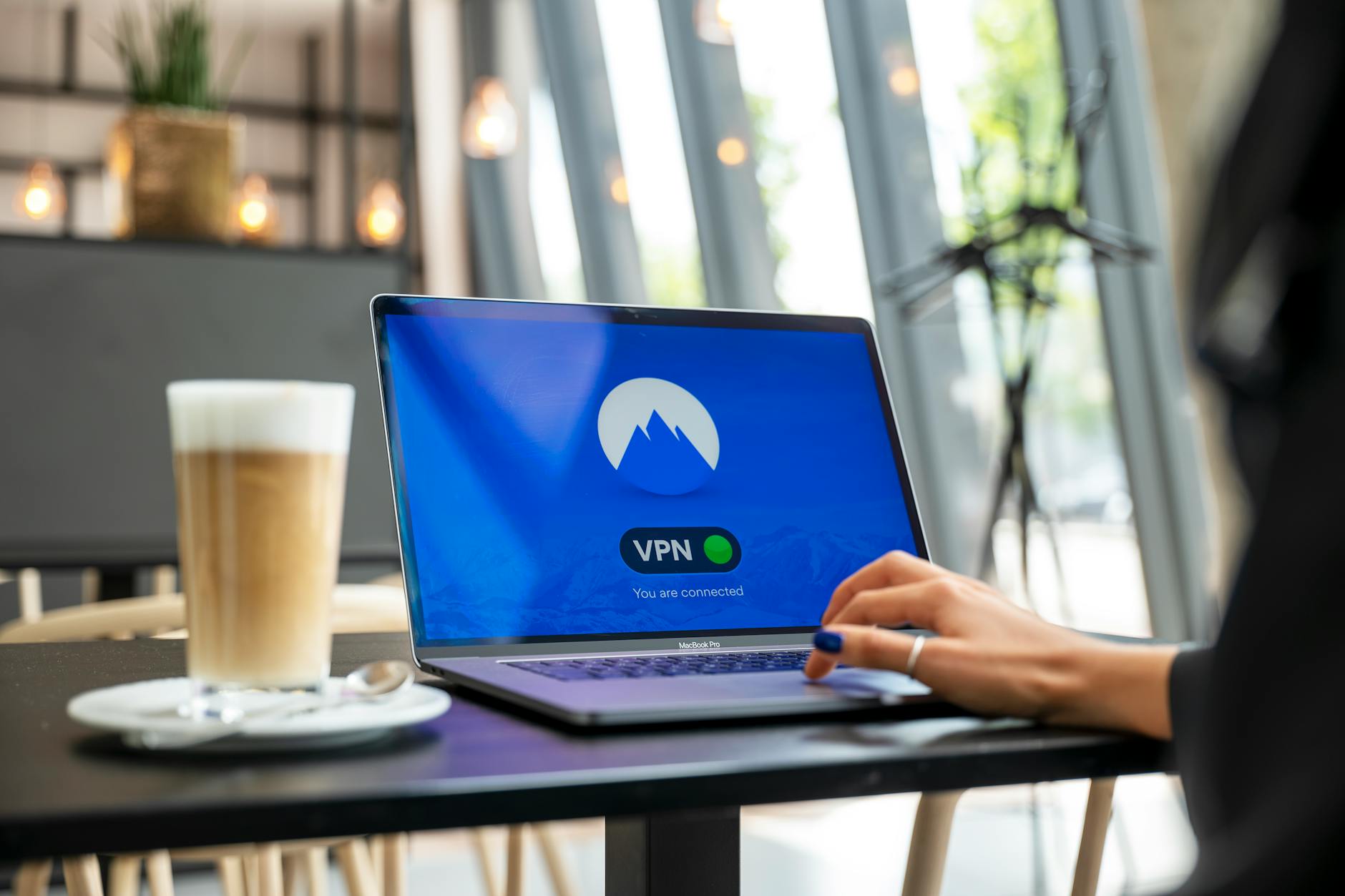
Mozilla, the non-profit organization best known for its Firefox browser, has made a strong case to UK regulators, asserting that Virtual Private Networks (VPNs) are essential tools for maintaining online privacy and security, particularly when it comes to financial matters. This isn’t just about hiding your browsing history; it’s about safeguarding your money, identity, and financial future in an increasingly digital world. This article delves into Mozilla’s argument, why VPNs matter for your finances, the current UK regulatory landscape, and how to choose the right VPN for your needs.
Why Mozilla is Championing VPNs
Mozilla’s intervention comes at a crucial time. The UK government is currently reviewing its online safety bill, and the future of privacy-enhancing technologies like VPNs hangs in the balance. Mozilla argues that restricting or undermining these technologies would significantly harm individuals' ability to protect their personal and financial information online.
They presented a detailed response to the UK’s Department for Science, Innovation & Technology (DSIT), outlining the critical role VPNs play in:
- Protecting against financial fraud: VPNs encrypt your internet connection, making it far more difficult for hackers to intercept your financial data – like banking logins, credit card details, and transaction information – especially on public Wi-Fi networks.
- Preventing price discrimination: Some online retailers and financial institutions use your location data to adjust prices. A VPN can mask your location, potentially helping you find better deals on financial products like loans, insurance, and even currency exchange rates.
- Bypassing censorship and geo-restrictions: While less directly financial, access to unbiased financial news and information is vital. VPNs can help circumvent censorship that might block access to important resources.
- Maintaining anonymity and protecting against tracking: Financial institutions and third-party trackers constantly monitor online behavior. VPNs add a layer of anonymity, reducing the amount of data collected about your financial activities.
- Securing remote work and online banking: With the rise of remote work and online banking, protecting your connection is paramount. VPNs offer an extra layer of security when accessing sensitive financial data from outside the traditional office or home network.
The Financial Risks of an Unprotected Connection
Imagine you’re working from a coffee shop, using the free Wi-Fi to check your bank balance or pay bills. That seemingly convenient connection is likely unsecured, meaning hackers could potentially intercept your data. Without a VPN, your login credentials, account numbers, and transaction details could be compromised.
Here's a breakdown of the financial risks:
- Account Takeover: Hackers can gain access to your bank accounts, credit cards, and investment portfolios.
- Identity Theft: Your personal information can be used to open fraudulent accounts, apply for loans, or make unauthorized purchases.
- Financial Fraud: Direct theft of funds from your accounts.
- Ransomware Attacks: While more common for businesses, individuals can also be targeted, with hackers encrypting your files and demanding a ransom to unlock them.
- Data Breaches: Your financial information could be part of a larger data breach, exposing you to further risks.
*Image Suggestion: A person working on a laptop in a coffee shop, with shadowy figures representing hackers in the background.
The UK Regulatory Landscape: A Potential Threat to VPNs?
The UK’s proposed Online Safety Bill aims to create a safer online environment, but some provisions have raised concerns among privacy advocates. A key point of contention is the potential for the bill to require VPN providers to retain user data, effectively eroding the anonymity that VPNs are designed to provide.
Mozilla argues that this would render VPNs significantly less effective and could deter users from using them altogether. The organization stresses that VPNs are a legitimate tool for protecting privacy and security, and that regulations should not inadvertently undermine their functionality.
Specifically, the concern centers around the “technical capabilities notice” provisions within the bill. These could force VPN providers to weaken encryption or log user activity, making them less secure and less private. Mozilla believes this would be a counterproductive move, pushing users towards less secure (and potentially malicious) options.
Choosing the Right VPN for Financial Security
Not all VPNs are created equal. When selecting a VPN for protecting your financial information, consider the following factors:
- Strong Encryption: Look for a VPN that uses AES-256 encryption, the industry standard.
- No-Logs Policy: A strict no-logs policy ensures that the VPN provider does not track or store your online activity. This is crucial for privacy.
- Server Locations: A wide range of server locations allows you to bypass geo-restrictions and potentially find better deals.
- Speed and Reliability: A slow or unreliable VPN can be frustrating to use.
- Security Features: Features like a kill switch (which automatically disconnects you from the internet if the VPN connection drops) and DNS leak protection are essential.
- Reputation and Trustworthiness: Choose a VPN provider with a strong reputation and a proven track record.
- Price: VPN prices vary significantly. Consider your budget and the features you need.
Here's a quick comparison of some popular VPN options (affiliate links provided for your convenience):
| VPN Provider | Encryption | No-Logs Policy | Server Locations | Key Features | Price (Monthly) | [Affiliate Link] |
|---|---|---|---|---|---|---|
| NordVPN | AES-256 | Strict | 5500+ | Double VPN, Onion over VPN, CyberSec | ~$12.99 | |
| ExpressVPN | AES-256 | Strict | 94+ | TrustedServer Technology, Split Tunneling, High Speed | ~$12.95 | |
| Surfshark | AES-256 | Strict | 3200+ | Unlimited Devices, CleanWeb, Whitelister | ~$12.95 |
*Image Suggestion: A graphic comparing features of popular VPN providers.
Beyond VPNs: Additional Financial Security Measures
While a VPN is an excellent tool for protecting your online privacy and security, it’s not a silver bullet. Here are some additional measures you should take to safeguard your finances:
- Strong Passwords: Use strong, unique passwords for all your online accounts. Consider using a password manager.
- Two-Factor Authentication (2FA): Enable 2FA whenever possible. This adds an extra layer of security to your accounts.
- Be Wary of Phishing Scams: Be cautious of suspicious emails, messages, or phone calls asking for your financial information.
- Keep Your Software Updated: Regularly update your operating system, browser, and antivirus software to patch security vulnerabilities.
- Monitor Your Accounts Regularly: Check your bank accounts and credit card statements for any unauthorized transactions.
- Use Secure Networks: Avoid using public Wi-Fi for sensitive transactions whenever possible. If you must use public Wi-Fi, always use a VPN.
The Future of VPNs and Financial Privacy in the UK
Mozilla’s intervention in the UK regulatory debate is a significant step towards protecting online privacy and security. The outcome of the Online Safety Bill will have a lasting impact on the future of VPNs and the ability of individuals to protect their financial information online. It’s crucial that regulators recognize the vital role VPNs play in safeguarding financial data and avoid implementing regulations that would undermine their effectiveness. Consumers need to be empowered to protect themselves, and VPNs are an essential part of that equation.
*Image Suggestion: A stylized image of a shield with a padlock, representing online security.
Disclaimer:
This article contains affiliate links. If you click on a link and make a purchase, we may receive a commission at no extra cost to you. This helps us to continue providing valuable content. We only recommend products and services that we believe are beneficial to our readers. The information provided in this article is for general informational purposes only and should not be construed as financial advice. Always consult with a qualified financial advisor before making any financial decisions.