Reducing tick density along recreational trails in Ottawa, Canada
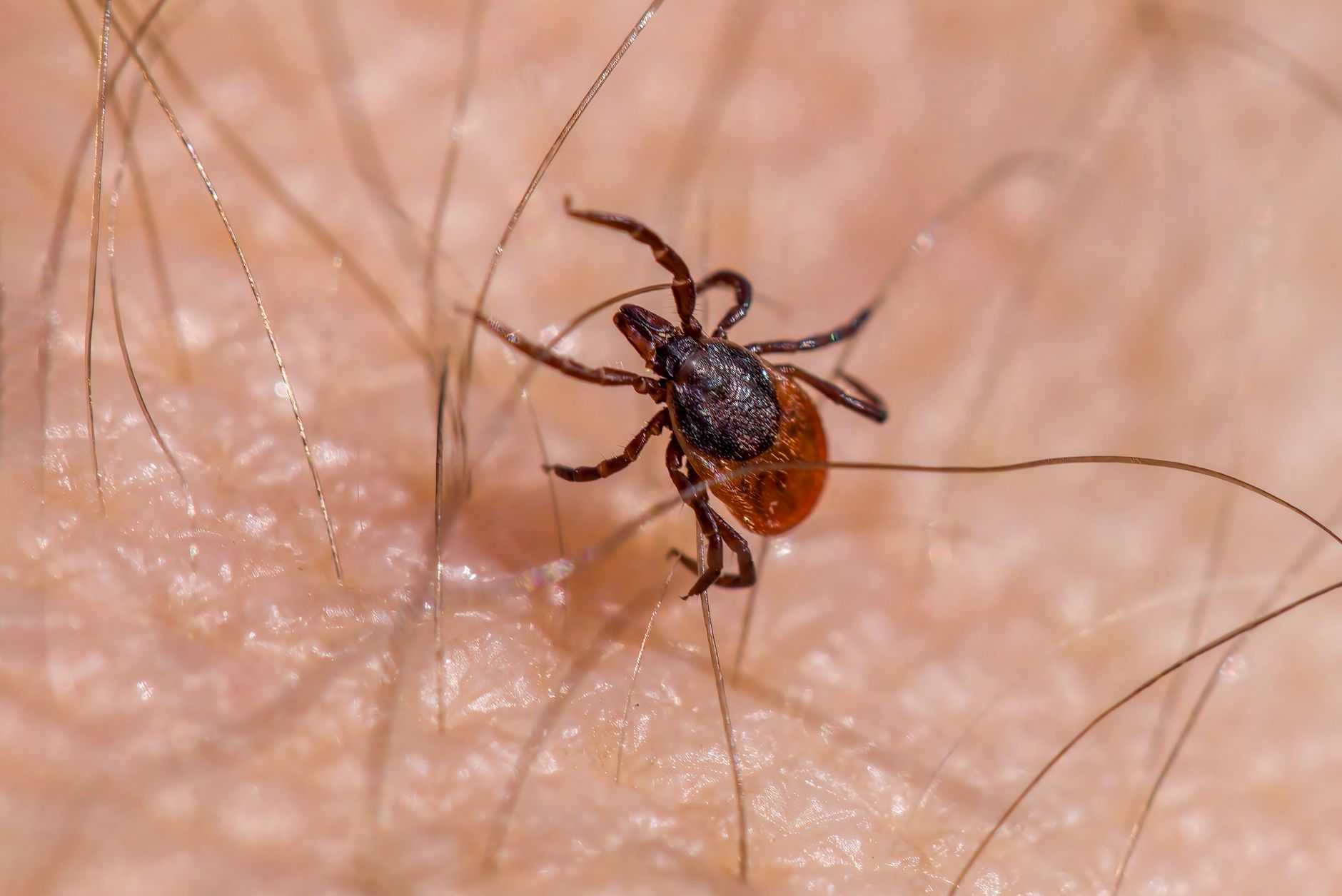
Ottawa is renowned for its beautiful network of recreational trails, a key component of the city’s vibrant outdoor lifestyle and a significant contributor to the local economy. However, this idyllic picture is increasingly threatened by a tiny, but potent, adversary: the blacklegged tick (deer tick), and the Lyme disease it carries. Rising tick populations pose not just a public health concern, but also a growing economic risk. This article delves into the financial implications of increasing tick density along Ottawa’s trails and explores potential funding models to support effective tick control and mitigation strategies.
The Economic Impact of Tick Populations
The cost of ignoring the growing tick problem extends far beyond the immediate expense of treatment for Lyme disease. It's a multi-faceted issue impacting healthcare, tourism, recreational activity, and even property values.
- Healthcare Costs: Lyme disease diagnosis and treatment can be expensive, ranging from antibiotic courses to prolonged specialist care for chronic symptoms. The increasing incidence of Lyme disease places a strain on the Ottawa healthcare system.
- Lost Productivity: Lyme disease can cause debilitating fatigue, joint pain, and neurological issues, leading to lost workdays and reduced productivity for affected individuals.
- Tourism & Recreation Decline: Fear of tick-borne illnesses can deter tourists and locals alike from utilizing recreational trails. A decline in trail usage negatively impacts businesses that rely on trail traffic – restaurants, bike shops, outdoor gear retailers, and accommodations.
- Property Value Concerns: In areas with high tick prevalence, property values may be impacted as potential buyers become wary of the risk.
- Trail Maintenance Costs: Increased tick density necessitates more frequent and intensive trail maintenance – mowing, vegetation removal, and potential application of tick control measures.
These factors, when combined, paint a picture of a significant, and growing, economic burden. Quantifying this precisely is challenging, but even conservative estimates highlight the need for proactive investment.
Current Tick Control Efforts in Ottawa: Where Does the Money Go?
Currently, tick control in Ottawa is a shared responsibility. The City of Ottawa, Ottawa Public Health, and conservation authorities all play a role, but funding is often fragmented and insufficient.
Here's a breakdown of typical expenditure areas:
- Tick Surveillance: Ongoing monitoring of tick populations to identify high-risk areas and track the spread of blacklegged ticks. This includes tick drag surveys and submissions from the public.
- Public Education: Awareness campaigns to educate residents about tick prevention, identification, and removal. (Think posters, pamphlets, online resources, and workshops.)
- Trail Management: Vegetation control along trails to reduce tick habitat. This is often a baseline level of maintenance, not specifically targeted tick control.
- Targeted Tick Control: In specific high-risk areas, localized tick control measures might be implemented, such as acaricides (tick pesticides). This is typically reserved for areas with confirmed high tick density and reported cases of Lyme disease.
- Research: Supporting research into more effective and sustainable tick control methods.
The City of Ottawa allocates funding towards trail maintenance, some of which indirectly benefits tick control. Ottawa Public Health receives funding for surveillance, education, and, to a lesser extent, targeted control efforts. However, consistent, dedicated funding for comprehensive tick management along recreational trails is lacking. There's often a reactive, rather than proactive, approach.
Identifying Potential Funding Sources
To address the economic and public health risks posed by increasing tick density, a more robust and sustainable funding model is required. Here are several potential sources:
- Increased Municipal Budget Allocation: A dedicated line item within the City of Ottawa's annual budget specifically for tick control along recreational trails. This requires demonstrating the economic benefits of investment (reduced healthcare costs, sustained tourism) to justify the allocation.
- Provincial Government Grants: Lobbying the Ontario provincial government for increased funding for tick control initiatives, leveraging the public health benefits and economic impact on tourism. Successful grant applications require detailed proposals outlining a comprehensive tick management plan.
- Federal Government Funding: Exploring federal funding opportunities related to public health, environmental conservation, and outdoor recreation.
- User Fees/Trail Passes: Implementing a small user fee or annual trail pass for frequent trail users. Funds collected could be earmarked specifically for trail maintenance and tick control. This approach requires careful consideration of accessibility and potential equity concerns.
- Corporate Sponsorships: Seeking sponsorships from outdoor gear retailers, health insurance companies, and other relevant businesses. In return for sponsorship, companies could receive branding opportunities on trails and promotional materials.
- Dedicated Tax Levy: A small, dedicated property tax levy specifically for parks and recreation maintenance, including tick control. This option requires public consultation and a clear demonstration of the benefits.
- Public-Private Partnerships: Collaborating with private companies specializing in tick control to implement and manage tick control programs.
- Fundraising Initiatives: Organizing fundraising events and campaigns to raise awareness and funds for tick control.
Innovative Financial Instruments: The Role of Environmental Impact Bonds
Beyond traditional funding models, innovative financial instruments could also play a role. Consider Environmental Impact Bonds (EIBs). EIBs are a relatively new financing mechanism where investors provide upfront capital for a specific environmental project (in this case, tick control). Repayment to investors is contingent upon achieving pre-defined, measurable outcomes – a reduction in tick density, a decrease in Lyme disease incidence, or an increase in trail usage.
This approach shifts the financial risk from the municipality to investors. It also incentivizes effective tick control, as investors only get paid if the program delivers results. Ottawa could pilot an EIB to fund a targeted tick control program along a popular recreational trail. Expert consultants would be required to structure the EIB and define the measurable outcomes.
Technology and Cost-Effectiveness: Investing Wisely
Simply throwing money at the problem isn’t a solution. Investing in smart, cost-effective tick control technologies is crucial.
- Geographic Information Systems (GIS) Mapping: Utilizing GIS to create detailed maps of tick prevalence, identifying high-risk zones and prioritizing control efforts.
- Remote Sensing: Employing drone technology with specialized sensors to monitor vegetation and identify potential tick habitats. https://example.com/ - drones suitable for surveying could be purchased here.
- Acaricide Application Technology: Investing in targeted acaricide application equipment to minimize environmental impact and maximize effectiveness.
- Tick Tubes: Distributing tick tubes (cardboard tubes filled with cotton treated with permethrin) to encourage mice to control tick populations. These are effective, but require ongoing replenishment.
- Community Science Programs: Engaging citizens in tick surveillance and reporting through apps and online platforms. This provides valuable data and raises awareness.
- Habitat Modification: Implementing landscaping practices along trails to create less favorable conditions for ticks (e.g., wider trails, increased sunlight exposure).
Choosing the right combination of technologies and strategies, based on data and scientific evidence, will maximize the impact of every dollar spent.
The Future of Ottawa’s Trails: A Proactive Approach
Ottawa’s recreational trails are a valuable asset, both economically and socially. Protecting them from the growing threat of ticks requires a proactive, financially sustainable approach. This means diversifying funding sources, exploring innovative financial instruments, and investing in smart, cost-effective technologies. Failing to act now will result in escalating healthcare costs, a decline in tourism, and a diminished quality of life for Ottawa residents. A long-term, well-funded tick control strategy is not just an environmental issue – it’s a sound economic investment in the future of Ottawa. Investing in preventative measures now is far more financially prudent than dealing with the escalating costs of Lyme disease and its associated consequences down the line. Protecting our trails means protecting our health and our economy. Don’t forget proper tick repellent! https://example.com/ – a selection of tick repellents is available here.
Disclaimer:
This article contains affiliate links. If you purchase a product through these links, we may earn a small commission at no extra cost to you. This helps support our research and content creation efforts. We are not medical professionals and this article is for informational purposes only. Always consult with a healthcare provider for any health concerns.