Solar rail could become common in Europe after successful trial in Switzerland
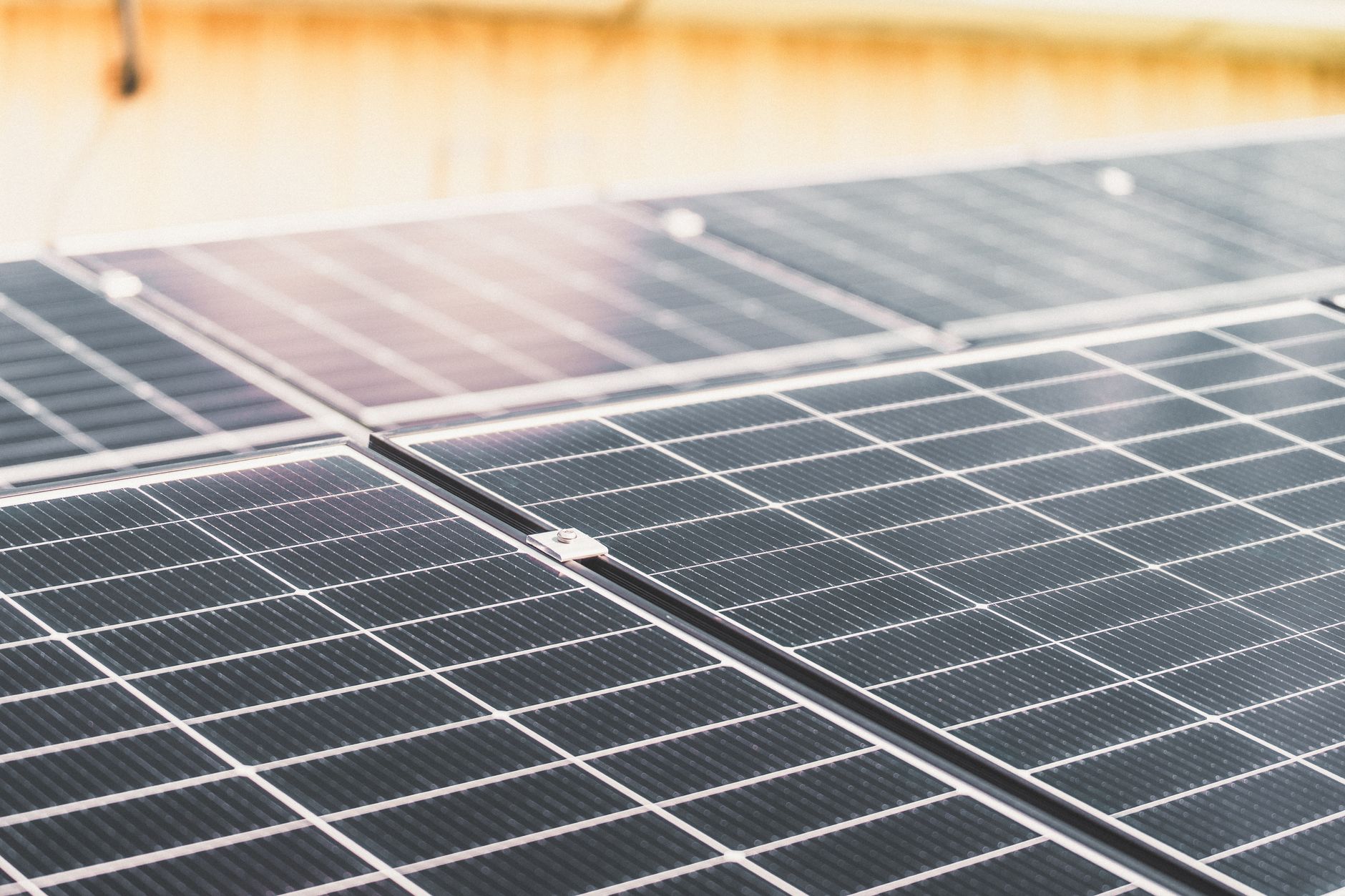
Europe is accelerating its transition to renewable energy, driven by climate concerns, energy security needs, and ambitious sustainability goals. While solar power is a cornerstone of this shift, its deployment often faces limitations – land use, aesthetic concerns, and grid connectivity. A groundbreaking solution, pioneered in Switzerland and now attracting significant attention across the continent, offers a potential answer: solar rails. This article delves into the innovative ‘solar rail’ technology, its recent successful trial, and the potential financial implications for investors and the European energy market.
What are Solar Rails? A New Approach to Solar Power Generation
Traditional solar farms require large areas of land, which can be expensive and compete with agricultural or natural uses. Rooftop solar is increasingly common, but often limited by roof space and orientation. Solar rails, also known as “Voltaic Rails” or “SunRails,” represent a radical departure.
Essentially, solar rails are photovoltaic (PV) panels integrated directly into noise barriers along railways and highways. This dual-purpose infrastructure utilizes space that is already allocated and often underutilized. The concept is simple yet impactful:
- Space Optimization: Leverages existing infrastructure, minimizing land-use conflicts.
- Increased Energy Production: Adds substantial renewable energy generation capacity without requiring new land.
- Reduced Noise Pollution: The PV panels contribute to noise reduction, further enhancing the value proposition.
- Visual Integration: Often blends more seamlessly into the landscape than traditional solar farms.
The Swiss Success Story: A Proof of Concept
In Switzerland, a 2.2km stretch of noise barrier alongside a railway line near the town of Flüelen was retrofitted with approximately 500kW of solar panels, forming Europe's first large-scale solar rail installation. The project, completed in 2023, has demonstrably exceeded expectations. Early data shows a consistent energy output, and the system has proven resilient to the harsh conditions of railway environments (vibration, weather).
The key findings from the Swiss trial include:
- High Energy Yield: The solar rails produce significant amounts of electricity, contributing substantially to the local grid.
- Cost-Effectiveness: While initial installation costs are higher than some traditional solar projects, the utilization of existing infrastructure lowers the overall lifecycle cost.
- Grid Integration: The system successfully integrates with the existing power grid, feeding electricity into the network.
- Public Acceptance: The project has garnered positive feedback from local communities, demonstrating the potential for broad acceptance of this technology.
This success has spurred interest from other European nations eager to replicate the Swiss model.
Why Europe is Interested: Energy Security and the Green Transition
Europe’s energy landscape is undergoing a dramatic transformation. The war in Ukraine has underscored the importance of energy independence, accelerating the drive towards renewable sources. The European Union has set ambitious targets for renewable energy penetration, aiming for at least 42.5% of total energy consumption from renewable sources by 2030, with an ambition to reach 45%. Solar power is central to achieving these goals.
Solar rails offer a compelling solution for several reasons:
- Land Scarcity: Many European countries face land constraints, making large-scale solar farm development challenging.
- Infrastructure Availability: Europe boasts an extensive railway and highway network, presenting a significant opportunity for solar rail deployment.
- Decentralized Energy Generation: Solar rails contribute to a more decentralized energy system, enhancing grid resilience.
- Political Support: Governments across Europe are actively incentivizing renewable energy projects, creating a favorable regulatory environment.
The Financial Implications: Investment Opportunities and ROI
The widespread adoption of solar rails presents substantial financial opportunities for investors. The market is still nascent, but projections indicate significant growth potential. Here's a breakdown of the key investment areas and potential returns:
- Project Development: Funding the development of solar rail projects – site selection, engineering, construction, and grid connection. This carries higher risk but potentially higher returns.
- Technology Providers: Investing in companies specializing in solar rail technology, including panel manufacturers, mounting systems, and grid integration solutions. https://example.com/ might feature products from these companies.
- Infrastructure Funds: Allocating capital to infrastructure funds that are actively investing in renewable energy projects, including solar rails.
- Utility Companies: Utility companies are increasingly investing in renewable energy assets, and solar rails could become a significant part of their portfolio.
- Green Bonds: Investing in green bonds issued to finance solar rail projects.
Estimated ROI (Return on Investment):
The ROI for solar rail projects is highly dependent on factors such as location, electricity prices, government incentives, and financing costs. However, initial assessments suggest an attractive potential return.
| Investment Area | Estimated ROI (Annual) | Risk Level |
|-----------------------|------------------------|------------| | Project Development | 6-12% | High | | Technology Providers | 8-15% | Medium | | Infrastructure Funds | 4-8% | Medium-Low | | Green Bonds | 2-5% | Low |
These figures are estimates and should not be considered guarantees.
Challenges and Considerations for Investors
While the potential is significant, investors should be aware of the challenges associated with solar rail projects:
- Initial Costs: Installation costs are currently higher than traditional solar farms, although these are expected to decrease as the technology matures and economies of scale are achieved.
- Regulatory Hurdles: Navigating the regulatory landscape can be complex, as projects require approvals from multiple stakeholders (railway operators, highway authorities, energy regulators).
- Grid Connection: Ensuring sufficient grid capacity and a streamlined grid connection process is crucial.
- Maintenance: Maintaining the solar panels in a railway or highway environment requires specialized expertise and can be challenging.
- Technological Advancements: Rapid advancements in solar technology could render current installations less efficient over time. Constant monitoring and upgrade strategies are important.
The Future of Solar Rails in Europe: Expansion and Innovation
The Swiss success is catalyzing a wave of interest across Europe. Several countries are actively exploring the feasibility of deploying solar rails, including:
- Germany: Germany, with its extensive Autobahn network, is a prime candidate for large-scale solar rail projects.
- France: France is also evaluating the potential of integrating solar panels into its railway and highway infrastructure.
- Netherlands: The Netherlands, facing land constraints, is keen to explore innovative solar solutions.
- Italy: Italy's well-developed railway network makes it a promising location for solar rail deployment.
Beyond simply replicating the Swiss model, ongoing innovation is expected to further enhance the appeal of solar rails:
- Bifacial Panels: Utilizing bifacial solar panels that generate electricity from both sides, increasing energy yield.
- Advanced Mounting Systems: Developing more efficient and durable mounting systems that can withstand the harsh conditions of railway and highway environments.
- Smart Grid Integration: Integrating solar rails with smart grid technologies to optimize energy distribution and storage.
- Integration with EV Charging: Combining solar rail projects with electric vehicle charging stations, creating integrated sustainable transportation hubs. https://example.com/ could include compatible EV chargers.
Conclusion: A Bright Future for Solar Rails
Solar rails represent a compelling and innovative solution for expanding renewable energy generation in Europe. The successful trial in Switzerland has demonstrated the technical and economic viability of this technology, and the growing interest from other European nations suggests a bright future. For investors, solar rails present a unique opportunity to participate in the energy transition and capitalize on the growth of a promising new market. While challenges remain, the potential rewards are substantial. The key to success will lie in careful project development, supportive government policies, and continuous innovation.
Disclaimer:
This article is for informational purposes only and should not be considered financial advice. Investing in renewable energy projects carries risks, and investors should conduct thorough due diligence before making any investment decisions. Affiliate links are used within this article and we may receive a commission if you make a purchase through these links. This does not affect the editorial content of the article.