Spain's Parliament Challenges LaLiga's Aggressive IP Blocking Tactics
Spain's parliament is poised to intervene in LaLiga's widespread IP blocking of websites accused of football streaming piracy. This article examines the financial implications and legal battles.
LaLiga, the professional football league encompassing Spain’s top divisions, has been notoriously aggressive in its pursuit of online piracy. For years, the organization has employed large-scale IP blocking – essentially asking internet service providers (ISPs) to block access to websites alleged to be illegally streaming football matches. However, this strategy is now facing significant pushback, with Spain’s parliament preparing to act, deeming the blockades excessive and potentially infringing on digital rights. This isn't just a legal skirmish; it’s a complex financial issue impacting streamers, ISPs, VPN providers, and, ultimately, football fans.
The Scale of LaLiga's IP Blocking Campaign
LaLiga’s actions are far-reaching. They don't simply target websites directly hosting streams. Instead, they cast a wide net, blocking entire IP addresses and even ranges associated with sites that link to illegal streams, or even discuss football in a way deemed contributory to piracy.
Here’s a breakdown of the scope:
- Thousands of Websites Blocked: Estimates suggest LaLiga has secured court orders to block access to over 20,000 websites and IP addresses.
- Dynamic Blocking: The blocking isn’t static. As soon as one site is blocked, others spring up, forcing LaLiga into a constant cycle of identifying and requesting blocks. This is a significant drain on resources.
- Collateral Damage: A major criticism is the blocking of legitimate websites and services caught in the crossfire. Forums, news sites, and even unrelated businesses have been affected.
- Geoblocking Extension: LaLiga also actively pursues geoblocking, preventing access to official streams outside of authorized territories. This often impacts fans traveling abroad or using services legitimately.
The Financial Impact: Beyond Lost Revenue
While LaLiga frames these actions as necessary to protect its broadcasting rights and revenue (estimated to be in the billions of euros annually), the financial consequences extend far beyond simply recouping lost subscription fees.
- ISP Costs: ISPs bear the financial burden of implementing and maintaining these blocks. This requires investment in infrastructure and personnel, costs that are ultimately passed on to consumers. They argue the current system is technically challenging and inefficient.
- VPN Market Boom: The crackdown has fueled a surge in demand for Virtual Private Networks (VPNs). Fans are turning to VPNs to bypass the IP blocks and access streams, benefiting VPN providers like , , and . This creates a perverse incentive – LaLiga's efforts inadvertently bolster a market that allows piracy to continue.
- Advertising Revenue Losses (For Legitimate Sites): Sites blocked, even mistakenly, lose advertising revenue. While the amounts may be small individually, the cumulative impact across thousands of sites is noticeable.
- Impact on Streaming Services: Ironically, overly aggressive blocking can push potential subscribers away from official streaming services. If accessing legal content is perceived as too difficult or expensive, consumers may simply forgo watching altogether.
- The Shadow Economy: The continuous cat-and-mouse game with illegal streamers creates a robust, unregulated 'shadow economy' dedicated to providing access to football matches. This economy operates outside of tax laws and legal oversight.
The Parliamentary Challenge: What's at Stake?
Spanish lawmakers are responding to growing concerns about the scope and fairness of LaLiga’s IP blocking strategy. The parliamentary debate centers around several key issues:
- Proportionality: Critics argue the blocking measures are disproportionate to the offense. Blocking entire IP ranges impacting legitimate services is seen as an overreach.
- Due Process: Concerns have been raised about the lack of transparency and due process in the blocking process. Websites are often blocked without adequate notice or opportunity to appeal.
- Digital Rights: Digital rights advocates argue the blocking violates fundamental principles of internet freedom and net neutrality.
- Effectiveness: The efficacy of IP blocking is increasingly questioned, given the ease with which it can be circumvented using VPNs and other technologies.
The proposed legislation aims to introduce stricter regulations on IP blocking, potentially including:
- Judicial Oversight: Requiring greater judicial oversight of blocking requests, ensuring a more thorough assessment of proportionality and due process.
- Targeted Blocking: Mandating more targeted blocking, focusing solely on websites directly hosting illegal streams, rather than sweeping IP range blocks.
- Transparency Requirements: Increasing transparency in the blocking process, including providing clear justification for each block and allowing affected websites to appeal.
- Sunset Clauses: Implementing sunset clauses, requiring periodic review and reauthorization of blocking orders.
The Legal Landscape: Copyright vs. Freedom
The conflict between LaLiga and parliament highlights the broader tension between copyright protection and digital freedoms.
Copyright Law: LaLiga relies heavily on copyright law to justify its actions. Copyright holders have the right to protect their intellectual property from unauthorized use and distribution. Streaming football matches without a license is a clear violation of copyright.
Digital Rights: However, digital rights advocates argue that overly broad or poorly implemented copyright enforcement can stifle innovation, limit access to information, and infringe on fundamental freedoms.
The European Union’s Digital Services Act (DSA) and the Digital Markets Act (DMA) are also relevant. These regulations aim to create a safer and more transparent online environment, but also introduce new obligations for online platforms regarding content moderation and copyright enforcement. How these regulations will interact with IP blocking remains to be seen.
The Role of VPNs: A Complicated Relationship
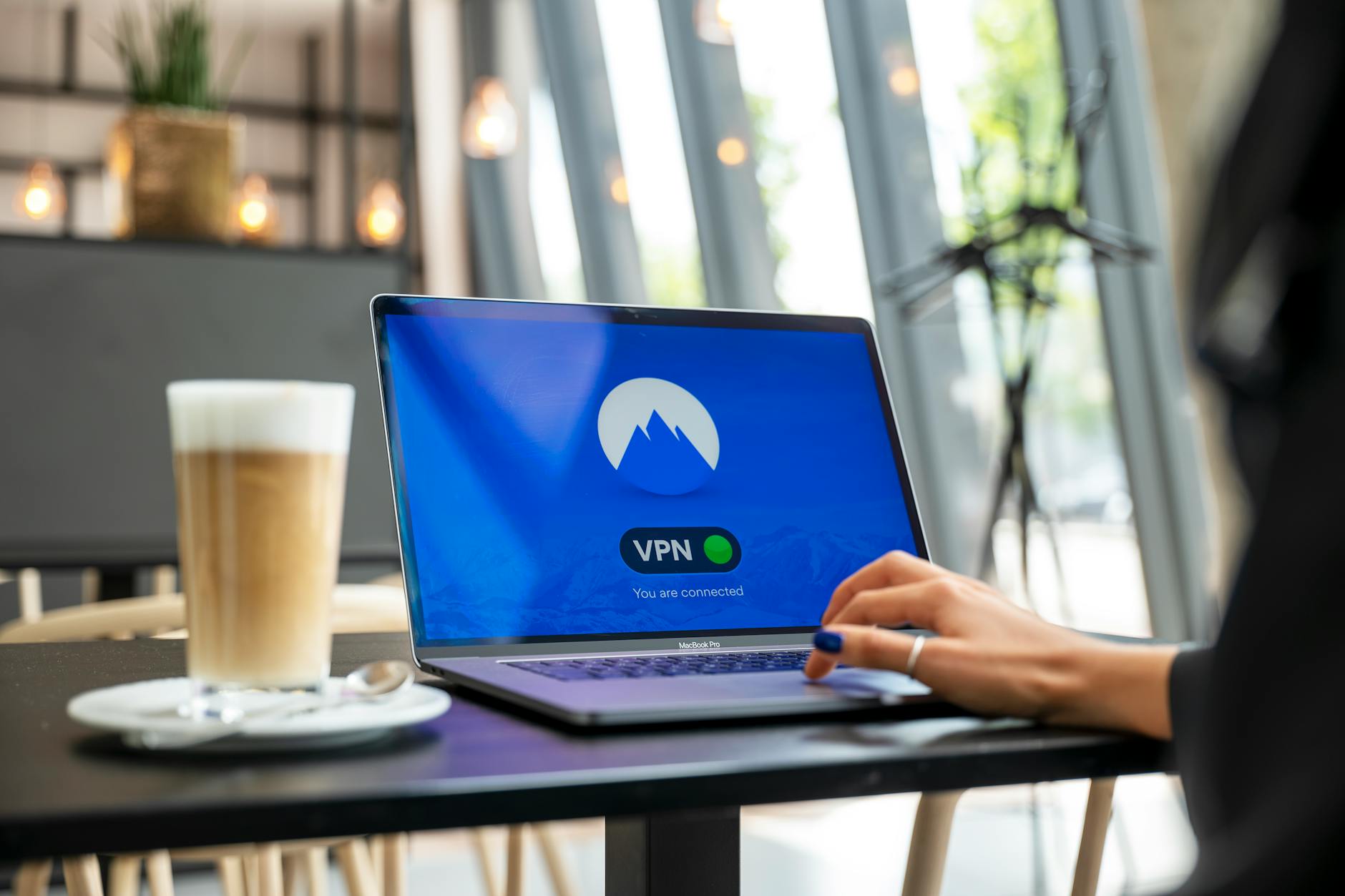
VPNs have become an integral part of this story. They allow users to mask their IP address and appear to be browsing from a different location, effectively bypassing IP blocks.
Here's a table summarizing key VPN features relevant to bypassing LaLiga's blocks:
| Feature | Description | Importance for Bypassing Blocks |
|---|---|---|
| Server Network | Number & locations of servers | Crucial for finding a working server |
| Encryption | Level of data security | Essential for privacy & security |
| Kill Switch | Disconnects internet if VPN connection drops | Prevents IP address leaks |
| No-Logs Policy | Does not track user activity | Protects privacy |
| Speed | Connection speed | Ensures smooth streaming |
Choosing a reputable VPN like , , or is essential. Free VPNs often have limited bandwidth, slower speeds, and may even log user data.
Future Outlook: A Shift in Strategy?
The parliamentary intervention signals a potential shift in the approach to tackling football streaming piracy in Spain. LaLiga may need to rethink its reliance on aggressive IP blocking and explore alternative strategies, such as:
- Enhanced Legal Action Against Streamers: Focusing on prosecuting individual streamers and operators of illegal streaming sites.
- Improved Watermarking & Content Protection: Implementing more robust watermarking and digital rights management (DRM) technologies to make it more difficult to illegally copy and distribute content.
- Collaborating with ISPs on Alternative Solutions: Working with ISPs to develop more targeted and effective solutions that minimize collateral damage.
- Focusing on Affordability & Accessibility: Addressing the root cause of piracy by making official streaming services more affordable and accessible to a wider audience.
The outcome of the parliamentary debate will have significant implications not only for LaLiga, but also for the wider internet landscape in Spain, setting a precedent for how copyright enforcement is balanced against digital rights. The financial repercussions will continue to reverberate, impacting ISPs, VPN providers, and ultimately, the fans who just want to watch the beautiful game.
Disclaimer
This article contains affiliate links. If you purchase a product or service through one of these links, we may receive a small commission. This commission helps support our website and allows us to continue providing valuable content. We only recommend products and services that we believe are helpful and relevant to our readers.