The Boeing 747 begins its final descent
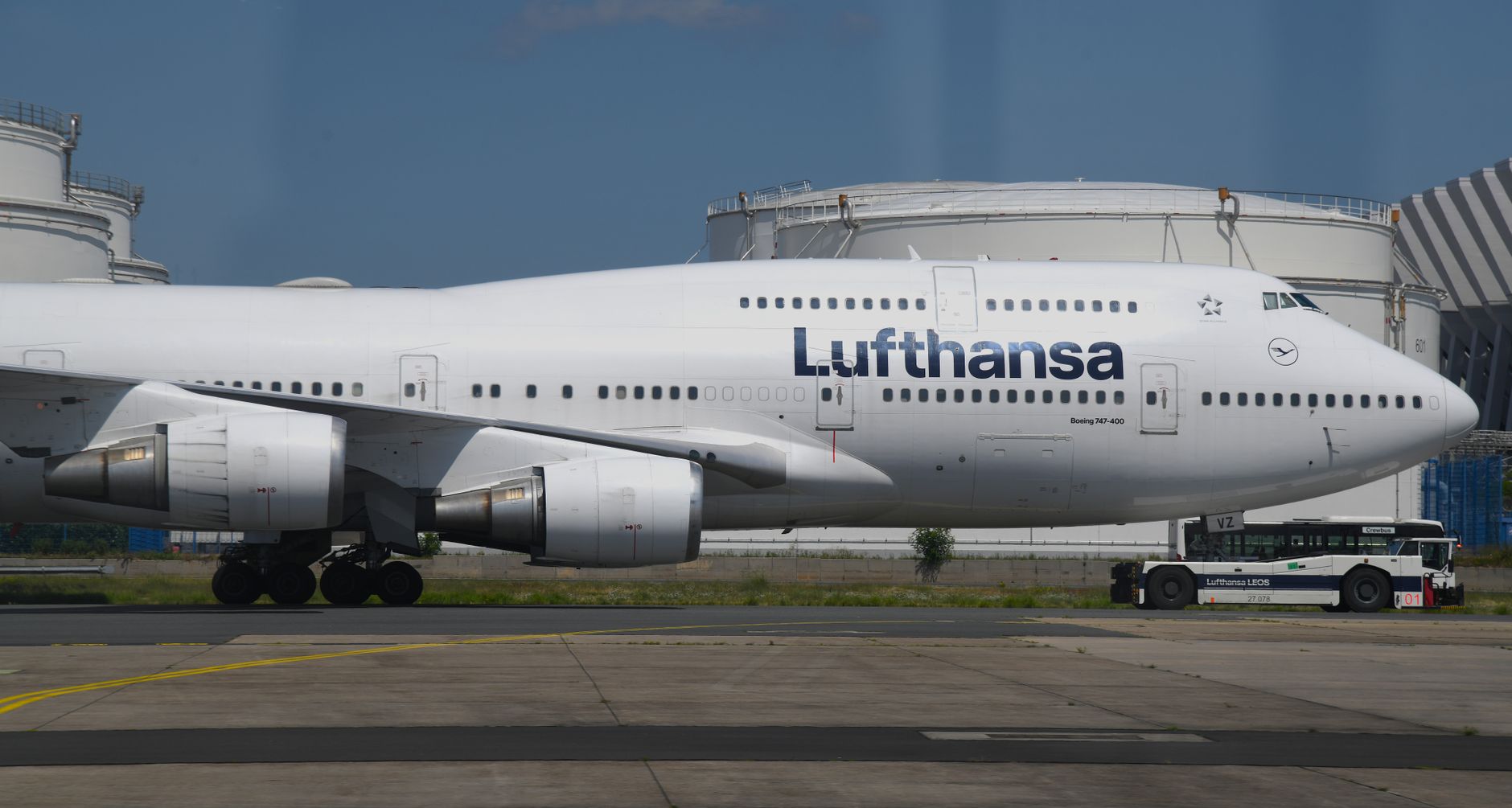
The “Queen of the Skies,” the Boeing 747, is nearing the end of its reign. After over 50 years of service, Boeing officially ceased production of the iconic aircraft in late 2022. While the 747 will continue to fly for years to come in passenger and cargo roles, the end of its manufacturing marks a significant moment – not just for aviation enthusiasts, but for the finance world deeply interwoven with the airline industry. This article explores the financial factors that led to the 747’s decline, the ripple effects across airlines and suppliers, and what its fate foreshadows for the future of aviation investment.
From Revolution to Redundancy: A Historical Financial Overview
The 747 wasn’t just a bigger airplane; it was a financial revolution. Introduced in 1969, it dramatically lowered the cost per passenger mile, democratizing air travel. Before the 747, long-haul air travel was a luxury. The 747’s increased capacity allowed airlines to fill more seats, lowering fares and opening up the world to a broader segment of the population.
Initially, financing these behemoths was a challenge. The sheer cost – roughly $22 million in 1969, equivalent to over $180 million today – required innovative financial instruments. Boeing worked closely with banks to develop aircraft financing options, essentially creating the modern aircraft finance market. Leasing also emerged as a viable option, allowing airlines to acquire the aircraft without a massive upfront capital expenditure.
- Early Financing: Direct purchases, bank loans, and later, operating leases.
- Key Drivers: Lowered cost per seat mile, increased demand for long-haul travel.
- Impact: Catalyzed the growth of the aircraft financing industry.
However, the tides began to turn. The 747 was designed for a world of hub-and-spoke airline networks. As twin-engine aircraft technology advanced – particularly with models like the Boeing 777 and Airbus A330 – airlines found they could operate more efficiently on point-to-point routes with smaller, more fuel-efficient planes. This shift fundamentally altered the financial equation.
The Rise of Twin-Engines and the 747’s Financial Woes
The core issue wasn’t necessarily the 747’s performance, but its economics relative to newer aircraft. The move to twin-engine wide-body aircraft presented airlines with compelling financial advantages:
- Fuel Efficiency: Two engines consume less fuel than four, a critical factor in airline profitability. Fuel is often the largest operating expense for airlines.
- Maintenance Costs: Fewer engines translate to lower maintenance costs, including inspection, repair, and overhaul.
- Operational Flexibility: Twin-engine planes are often certified for extended-range operations (ETOPS), allowing them to fly longer routes over water without needing to divert to a nearby airport – offering route flexibility.
- Depreciation: Newer aircraft generally depreciate slower than older ones, impacting residual values.
As these advantages became clear, airlines began phasing out 747s in favor of more modern, efficient aircraft. The 747-8, Boeing's latest iteration, attempted to address these concerns, but arrived too late to reverse the trend. It faced competition from the Airbus A380 (which also suffered from low demand) and the increasingly popular 777 and 787 Dreamliner.
[Image Suggestion: A side-by-side comparison of a Boeing 747-8 and a Boeing 777-9.
The Financial Impact on Boeing and its Suppliers
The end of 747 production has significant financial implications for Boeing and its extensive supply chain. While Boeing had already significantly reduced 747 production in recent years, the complete halt has cascading effects.
- Boeing’s Direct Losses: The company absorbed costs associated with tooling, facilities, and workforce reductions. The final aircraft built were largely for cargo carriers, which maintained some demand.
- Supply Chain Disruptions: Hundreds of suppliers, ranging from manufacturers of fasteners to interior component providers, faced reduced orders and potential job losses. These suppliers are often small and medium-sized enterprises (SMEs), making them particularly vulnerable.
- Impact on Aircraft Values: As fewer 747s are produced, the value of existing aircraft is impacted. Older 747s are becoming increasingly difficult to sell, and many are being retired and scrapped. This impacts aircraft leasing companies that hold 747s in their portfolios.
- Resale Value & Remarketing: The demand for used 747s is declining, pressuring lease rates and resale values. This forces lessors to find alternative uses or accept significant losses.
The financial pain wasn’t confined to the manufacturers and suppliers. Airlines that had heavily invested in 747 fleets faced write-downs on their assets. The early retirement of these aircraft also led to increased costs for disposal and storage.
The Cargo Carrier Exception: A Lifeline for the 747
While passenger 747s have largely been retired, the freighter variant has continued to be in demand. Cargo carriers appreciate the 747's unique nose-loading capability, which allows for efficient loading of oversized cargo. This demand partially cushioned the blow of the production halt.
- Growing E-Commerce: The explosion of e-commerce has fueled demand for air cargo, benefiting freighter operators.
- Nose-Loading Advantage: The 747’s unique nose-loading door allows for the transport of outsized cargo that other aircraft cannot accommodate.
- Long-Range Capability: The 747’s range is ideal for long-haul cargo routes.
However, even the cargo market is evolving. Newer freighters, like the Airbus A350F and the Boeing 777F, are becoming increasingly popular, offering improved fuel efficiency and lower operating costs. This poses a long-term threat to the 747’s remaining cargo role.
[Image Suggestion: A Boeing 747-8F cargo plane being loaded with containers.
What the 747's Decline Signals for Aviation Finance
The Boeing 747’s story is a cautionary tale for the aviation finance industry. It demonstrates the importance of adaptability and the risks of investing in technology that may become obsolete. Several key takeaways emerge:
- Focus on Efficiency: Fuel efficiency and operating costs are paramount. Airlines will prioritize aircraft that deliver the lowest cost per seat mile.
- Technological Disruption: The aviation industry is constantly evolving. New technologies can quickly render older aircraft uncompetitive.
- Fleet Renewal is Crucial: Airlines need to proactively renew their fleets to stay competitive and take advantage of the latest technological advancements. This requires careful financial planning and access to capital.
- Residual Value Risk: Understanding the potential for depreciation and residual value decline is crucial when investing in aircraft.
- The Importance of Diversification: Suppliers need to diversify their customer base to mitigate the risk of losing significant contracts when aircraft production ends.
Looking ahead, the aviation finance industry is facing new challenges, including the transition to sustainable aviation fuels (SAF) and the development of electric and hydrogen-powered aircraft. These changes will require significant investment and innovation, and will reshape the financial landscape of the airline industry. Investment in airlines showing clear strategies for sustainability will likely be favored. You can find more information on sustainable aviation investment options here: https://example.com/.
The Future of the 'Queen' and its Legacy
The Boeing 747’s final descent doesn’t erase its legacy. It remains a symbol of innovation, engineering excellence, and the golden age of air travel. While its production days are over, the aircraft will continue to fly for decades to come, carrying passengers and cargo around the world. The financial lessons learned from its rise and fall will undoubtedly shape the future of aviation finance for years to come. For those interested in learning more about the history of the 747, numerous resources are available online and in print; a highly rated book on the topic is available here: https://example.com/.
Disclaimer:
This article is for informational purposes only and should not be considered financial advice. The author may receive affiliate commissions from purchases made through the links provided. Investing in the airline industry carries inherent risks, and readers should conduct their own thorough research before making any investment decisions.