Two EA-18 fighter jets collide at Mountain Home airshow, pilots ejected safely
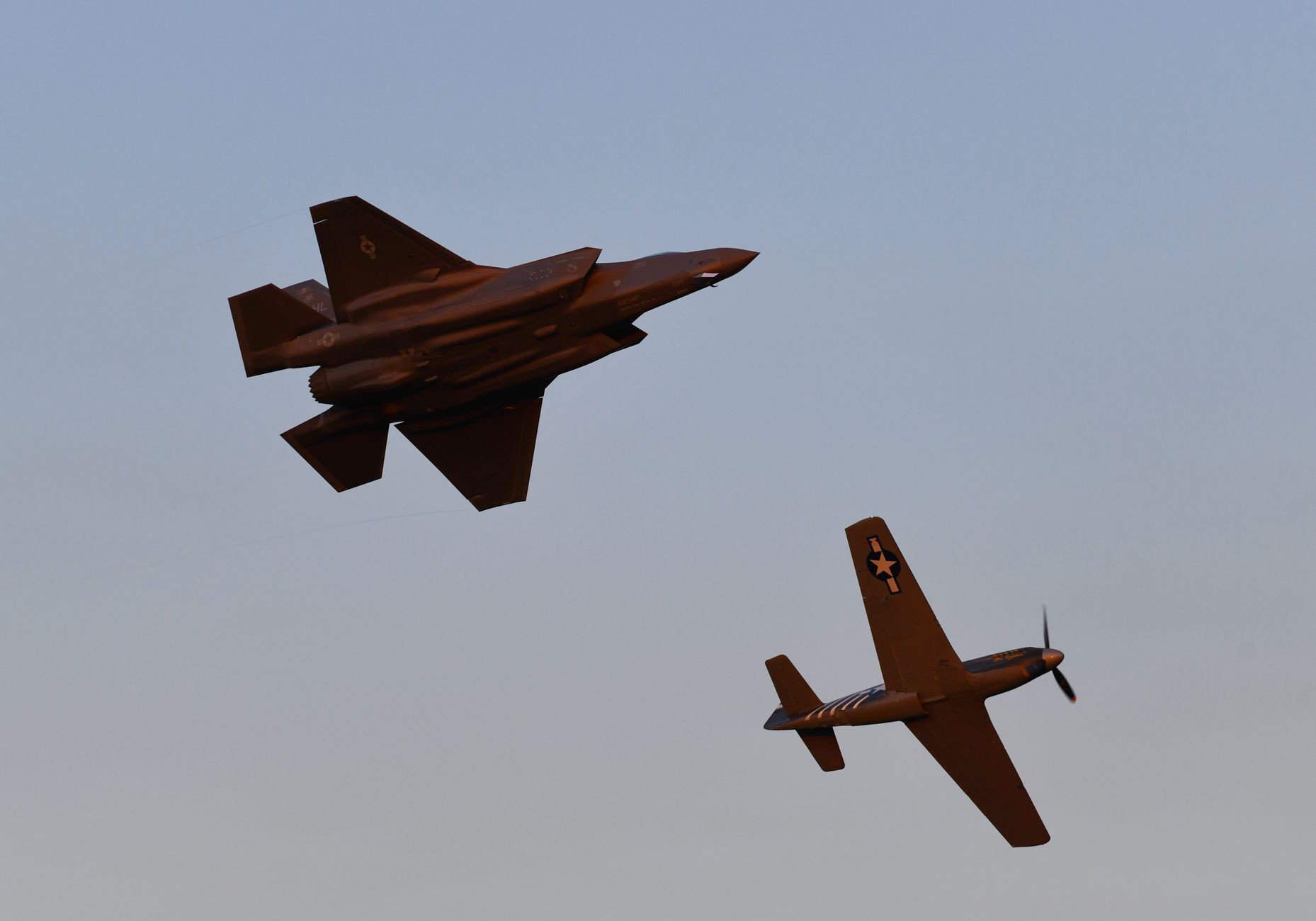
The Mountain Home Airshow in Idaho witnessed a dramatic event on September 30th, 2023, as two EA-18G Growler fighter jets collided during a demonstration. Thankfully, both pilots ejected safely and sustained no serious injuries. However, beyond the immediate relief that the pilots are safe, the incident raises a number of significant financial questions and implications. This article will delve into the potential costs associated with the crash, the role of insurance, the potential impact on defense contractors like Boeing, and what this means for investors.
The Immediate Costs: Aircraft Replacement & Investigation
The most substantial cost stemming from the collision will undoubtedly be the replacement of the two aircraft. The EA-18G Growler is a highly specialized electronic warfare aircraft, and its price tag is significant.
- Unit Cost: Each EA-18G Growler costs approximately $68.8 million (Fiscal Year 2023 dollars). This makes the combined replacement cost around $137.6 million.
- Investigation Costs: The U.S. Navy will conduct a thorough investigation into the cause of the crash. Investigations of this nature are extensive, involving personnel, data analysis, and potentially, the recovery and analysis of wreckage. Estimated investigation costs could range from $500,000 to several million dollars depending on the complexity and duration.
- Salvage Operations: Recovering the wreckage from the crash site also incurs costs, including transportation, personnel, and environmental cleanup if necessary. This could easily add tens of thousands of dollars to the total.
- Training Impact: The loss of two aircraft temporarily reduces the Navy’s operational capability and may disrupt pilot training schedules. The cost of rescheduling or adjusting training programs can be considerable.
Insurance and Liability: Who Pays?
Determining who bears the financial responsibility for the crash is complex and will likely involve a detailed review of insurance policies and legal precedents.
- Government Self-Insurance: The U.S. Navy, like many government entities, typically doesn’t rely on traditional commercial insurance for its aircraft. Instead, it operates under a system of self-insurance, funding potential losses through its budget. This means taxpayers ultimately shoulder the financial burden.
- Manufacturer Liability: If the investigation reveals a manufacturing defect contributed to the crash, Boeing, the manufacturer of the EA-18G Growler, could face liability. This could result in lawsuits and substantial financial penalties. Boeing’s stock price (https://example.com/ - link to Boeing stock info) could be impacted negatively by such developments.
- Contractor Insurance: While the Navy is self-insured, Boeing and other subcontractors involved in the aircraft’s maintenance and operation likely carry their own liability insurance. This insurance could potentially cover some of the costs if negligence on their part is established.
- Airshow Insurance: Airshows generally carry liability insurance to cover accidents and injuries. However, these policies often have limitations and may not fully cover the costs associated with the loss of two multi-million dollar fighter jets.
Impact on Defense Contractors: Boeing and Beyond
The crash has ramifications that extend beyond the immediate financial costs. It could impact several key players in the defense industry, most notably Boeing.
- Boeing’s Reputation: Any incident involving a Boeing aircraft, especially a high-profile event like a mid-air collision, can damage the company’s reputation and potentially affect future sales. While the Growler is a mature platform, ongoing concerns about Boeing’s quality control could be exacerbated.
- Production Backlog & Orders: While the Navy likely won't immediately cancel future orders, a significant investigation revealing a design flaw could lead to modifications and delays, impacting Boeing's production schedule and backlog.
- Supply Chain Disruptions: The replacement of the aircraft will require the sourcing of numerous components and materials from a vast network of suppliers. This surge in demand could strain the supply chain and potentially lead to delays and increased costs.
- Other Contractors: Companies that provide maintenance, repair, and overhaul (MRO) services for the EA-18G Growler could also be affected. Any changes to the aircraft's design or operation resulting from the investigation could necessitate new contracts and modifications to existing ones.
Investor Considerations: Navigating the Risk
For investors in defense stocks, particularly Boeing, the Mountain Home Airshow incident presents both risks and opportunities.
- Short-Term Stock Volatility: Initial reaction to the crash likely caused some volatility in Boeing’s stock price. Negative news often leads to a temporary decline in share value.
- Long-Term Impact: The long-term impact will depend on the findings of the investigation. If the crash is attributed to pilot error or a random mechanical failure, the impact on Boeing’s stock is likely to be minimal. However, if a design flaw or manufacturing defect is identified, the financial consequences could be more severe.
- Diversification: As always, diversification is key when investing in the defense industry. Don't put all your eggs in one basket. Consider spreading your investments across multiple defense contractors.
- Monitoring News and Reports: Investors should closely monitor news reports and official statements from the Navy and Boeing regarding the investigation. This will provide valuable insights into the potential financial implications.
Here's a simplified table summarizing the potential costs:
| Cost Category | Estimated Cost Range |
| ----------------------- | ---------------------- | | Aircraft Replacement | $137.6 million | | Investigation | $500,000 - $Millions | | Salvage Operations | $50,000 - $200,000+ | | Training Disruption | Variable - $Millions | | Legal & Liability | Highly Variable | | Total Estimated Cost | $138.15 million + |
Note: Costs are estimates and subject to change based on investigation findings.
The Broader Context: Aviation Safety and Future Investments
The incident at Mountain Home serves as a stark reminder of the inherent risks associated with military aviation. It underscores the importance of continuous investment in aviation safety, pilot training, and aircraft maintenance.
- Enhanced Safety Protocols: The Navy will likely review and update its safety protocols and procedures for airshow demonstrations following the crash.
- Advanced Pilot Training: Investing in more advanced pilot training programs, including simulator training and scenario-based exercises, can help mitigate the risk of future accidents.
- Predictive Maintenance: Implementing predictive maintenance technologies, which use data analytics to identify potential maintenance issues before they become critical, can improve aircraft reliability and reduce the risk of failures.
- Future Aircraft Design: The incident could influence the design of future aircraft, with a greater emphasis on safety features and redundancy.
Preparing for Potential Financial Fallout
For individuals interested in financial products related to this event (though admittedly a niche area), there are limited direct options. However, staying informed about defense industry trends and investing responsibly in diversified portfolios are sound strategies. Consider exploring tools for managing investment risk. https://example.com/ - Link to financial planning software or resources.
Disclaimer
This article is for informational purposes only and does not constitute financial advice. Investing in the stock market involves risk, and you could lose money. Always conduct your own research and consult with a qualified financial advisor before making any investment decisions. We may earn a commission if you click on some links in this article and make a purchase. This does not affect our editorial content.