We All Depend on Open Source. We Will Defend It Together
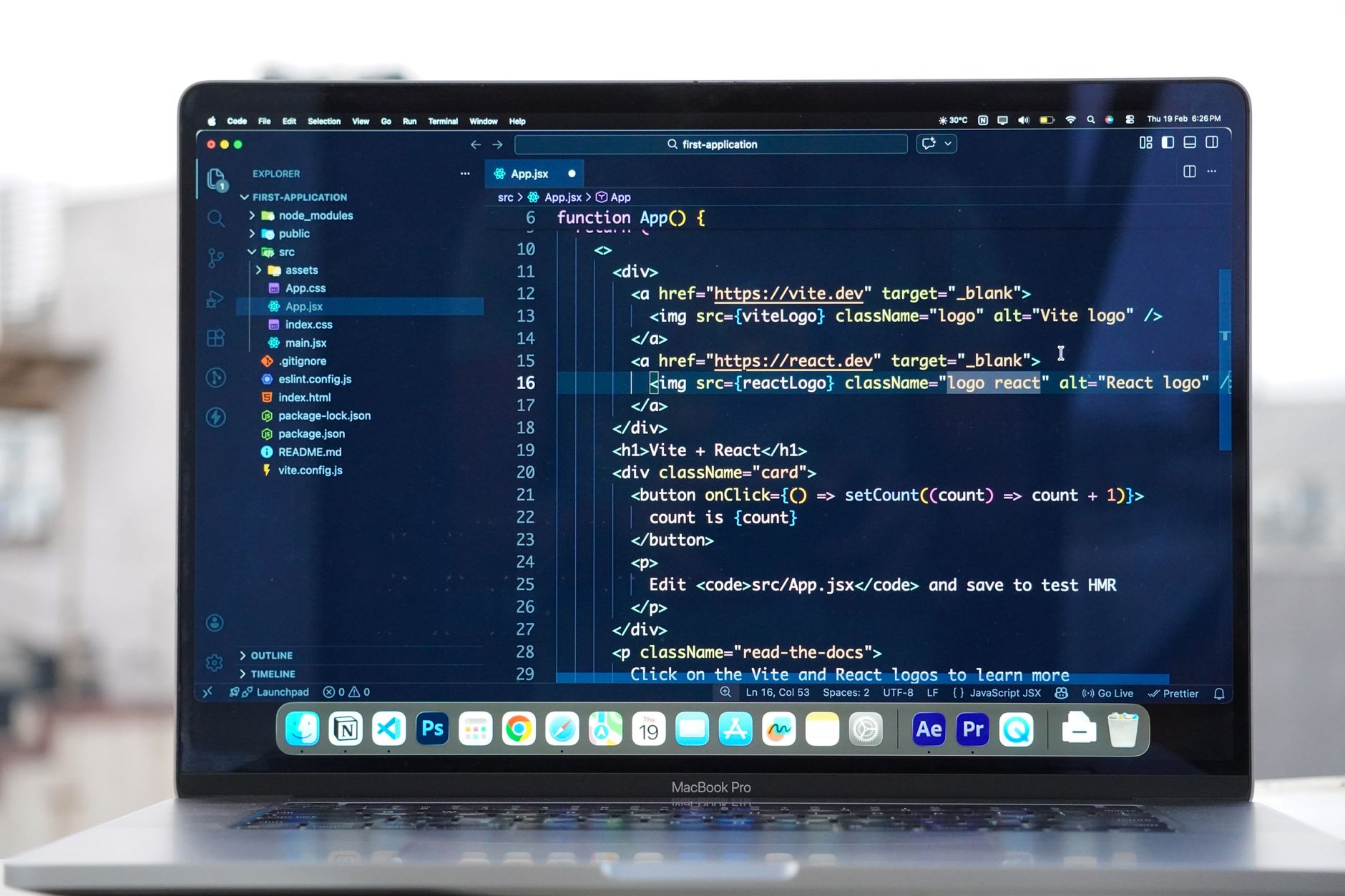
The financial world, once built on mainframes and proprietary systems, is now fundamentally reliant on open-source software. From the algorithms driving high-frequency trading to the infrastructure powering mobile banking, open-source permeates nearly every aspect of modern finance. But this dependence also introduces vulnerabilities. This article will explore the critical role open source plays in finance, the inherent risks, and why a collective, proactive defense is no longer optional, but essential.
The Quiet Revolution: Open Source in Finance
For years, finance favored closed-source solutions, believing they offered greater control and security. The thinking was that hiding the "secret sauce" of algorithms and systems would deter malicious actors. However, this approach proved expensive, slow to innovate, and increasingly unsustainable.
Open-source software, with its collaborative development model, offered a compelling alternative. Here’s how it gained traction:
- Cost Efficiency: Open-source eliminates licensing fees, drastically reducing software costs. This is particularly appealing in a sector constantly pressured to optimize efficiency.
- Faster Innovation: The collaborative nature of open-source allows for rapid development and iteration. Bug fixes, security patches, and new features are often implemented far faster than in proprietary systems.
- Transparency & Auditability: Open-source code is publicly available, allowing for independent security audits and verification. This fosters greater trust and reduces the risk of hidden vulnerabilities.
- Talent Pool: A vast community of developers contributes to and maintains open-source projects, providing access to a wider pool of skilled professionals.
- Flexibility & Customization: Open-source code can be modified and adapted to meet specific business needs, offering a level of flexibility unmatched by closed-source alternatives.
Today, critical financial technologies heavily leverage open-source components. Examples include:
- Databases: PostgreSQL, MySQL, and MongoDB are widely used for storing and managing financial data.
- Programming Languages: Python, Java, and JavaScript, all with extensive open-source libraries, are staples of fintech development.
- Big Data & Analytics: Hadoop, Spark, and Kafka are essential for processing and analyzing the massive datasets common in financial analysis.
- Cloud Infrastructure: Kubernetes and Docker, foundational to modern cloud computing, are both open-source projects.
- Blockchain Technology: The very foundation of cryptocurrencies and decentralized finance (DeFi) relies heavily on open-source principles and code.
The Growing Threat Landscape: Risks to Open Source in Finance
While open source offers significant benefits, it also introduces new risks, particularly concerning security. The very openness that makes it attractive can be exploited by malicious actors.
- Software Supply Chain Attacks: This is arguably the biggest threat. Attackers target vulnerabilities in open-source components before they’re integrated into larger applications. The Log4j vulnerability (Log4Shell) in late 2021 was a stark reminder of the potential impact – affecting countless systems globally, including those within the financial sector. It demonstrated that a single compromised component could bring down critical infrastructure.
- Vulnerable Dependencies: Financial applications often rely on a complex web of dependencies, with each dependency potentially containing vulnerabilities. Managing these dependencies and keeping them updated is a significant challenge.
- Malicious Code Injection: While less common, attackers can attempt to inject malicious code into open-source projects, either by contributing directly (compromising maintainers' accounts) or by creating forked versions.
- Lack of Dedicated Support: Unlike commercial software, open-source projects may lack dedicated support and maintenance, increasing the risk of unpatched vulnerabilities remaining undetected for extended periods.
- Licensing Risks: Incorrectly interpreting or adhering to open-source licenses can lead to legal issues. Financial institutions must carefully manage their open-source usage to avoid copyright infringement.
A Collective Defense: How to Protect Open Source in Finance
Protecting open source in finance requires a multi-faceted approach, involving individual institutions, industry collaboration, and governmental support. Here’s what needs to happen:
- Enhanced Vulnerability Management: Institutions must invest in robust vulnerability scanning and management tools to identify and address vulnerabilities in open-source components before they’re exploited. Tools like Snyk and Sonatype Nexus Lifecycle are essential. https://example.com/ - Consider a comprehensive cybersecurity suite for ongoing threat detection.
- Software Bill of Materials (SBOM): Creating and maintaining a detailed SBOM for each application is crucial. This SBOM lists all open-source components used, along with their versions and dependencies, enabling rapid vulnerability identification.
- Dependency Tracking & Updates: Automated dependency tracking and update mechanisms are vital. Regularly updating dependencies ensures that applications benefit from the latest security patches.
- Secure Development Practices: Implement secure coding practices throughout the software development lifecycle (SDLC), including static and dynamic code analysis.
- Contributor Security: For institutions contributing to open-source projects, strong security measures must be in place to protect maintainers’ accounts and prevent malicious code from being introduced. Multi-factor authentication (MFA) is non-negotiable.
- Industry Collaboration: Sharing threat intelligence and best practices within the financial industry is critical. Organizations like the Financial Services Information Sharing and Analysis Center (FS-ISAC) play a vital role in facilitating this collaboration.
- Supporting Open-Source Projects: Financial institutions should actively support the open-source projects they rely on, contributing financially or with developer resources. This helps ensure the long-term sustainability and security of these critical components.
- Governmental Role: Governments can play a role by establishing clear standards for software security and promoting the adoption of SBOMs. Funding for open-source security research and development is also essential.
Here's a table summarizing key security practices:
| Practice | Description | Benefit |
|---|---|---|
| SBOM Creation | Documenting all open-source components in an application. | Faster vulnerability identification & remediation. |
| Dependency Scanning | Regularly checking for known vulnerabilities in dependencies. | Proactive identification of potential risks. |
| Automated Updates | Automatically applying security patches to open-source components. | Reduced exposure to known vulnerabilities. |
| Secure Coding Practices | Writing code that minimizes security flaws. | Prevention of new vulnerabilities. |
| Contributor Security | Protecting maintainer accounts and code review processes. | Prevents malicious code from being introduced into projects. |
| Threat Intelligence Sharing | Collaborating with industry peers to share threat information. | Enhanced awareness of emerging threats. |
The Future of Finance & Open Source: A Symbiotic Relationship
Open source isn't going away. In fact, its role in finance will only continue to grow. Emerging technologies like DeFi, AI, and machine learning all rely heavily on open-source foundations. The key to a stable and innovative financial future lies in embracing open source responsibly and actively defending it against threats. This isn't just a technical issue; it's a matter of financial stability and economic security. We all depend on it, and we must defend it together.
Disclaimer:
This article contains affiliate links to products and services. If you make a purchase through these links, we may earn a commission at no extra cost to you. This helps support our research and content creation. We only recommend products and services we believe provide value to our readers. We are not financial advisors and this article is for informational purposes only. Always conduct your own research before making any financial decisions.