We can still stop California's 3D printer surveillance scheme
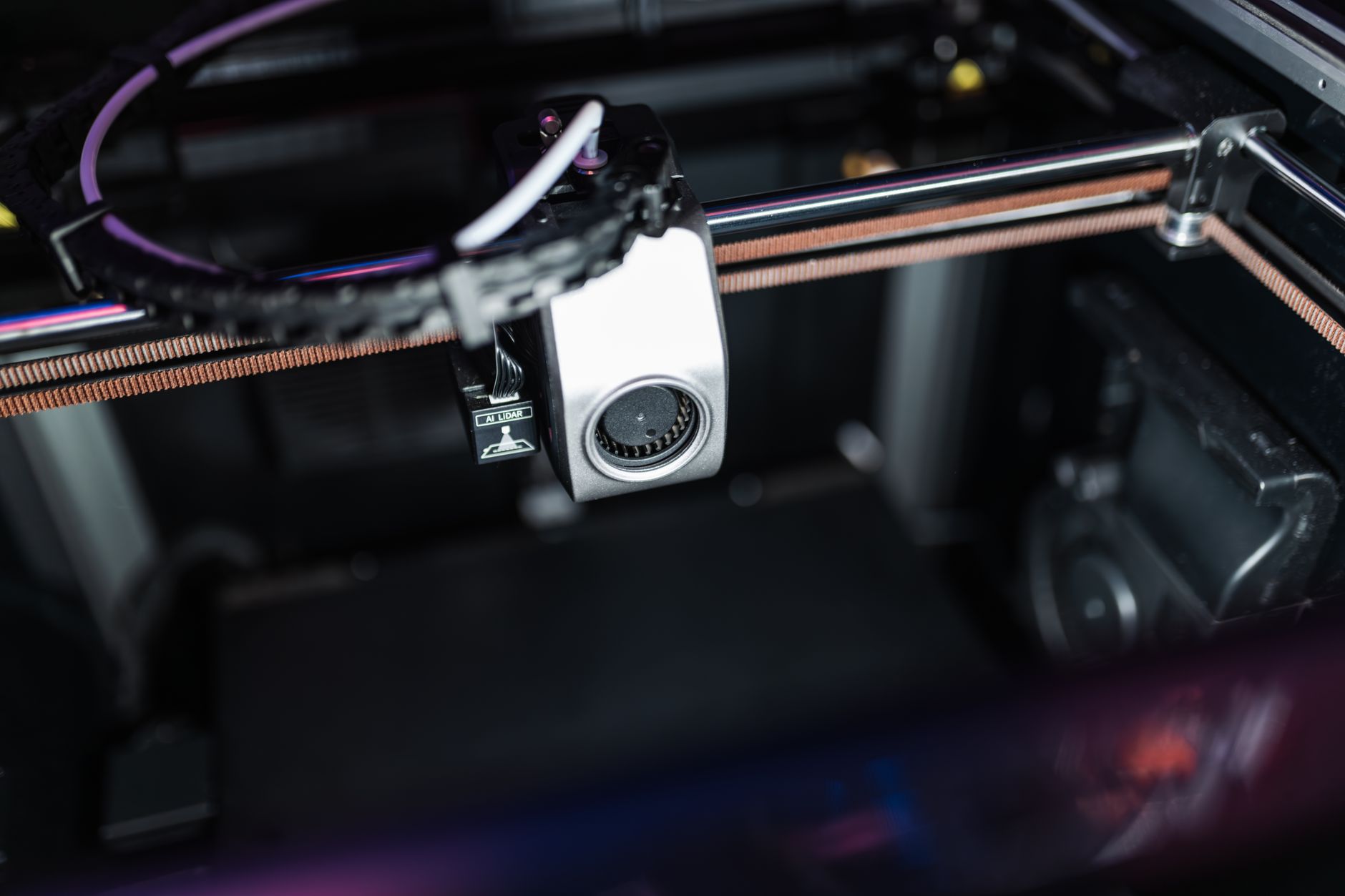
California is on the verge of enacting a law – Assembly Bill 2635 (AB 2635) – that would require manufacturers of 3D printers to embed serial numbers on both the printers and the objects they create. While proponents claim this is about preventing the manufacture of untraceable firearms, the implications extend far beyond gun control, posing a significant threat to financial privacy and opening the door to unprecedented levels of government surveillance. This isn't just a tech issue; it’s a financial one. The potential for misuse of this data is enormous, and could ultimately impact your ability to maintain financial freedom and control over your assets. We're not powerless. We can still stop this scheme, and this article will explain why you should care, how AB 2635 functions, and what you can do to fight back.
The Threat to Your Financial Privacy: Beyond Guns
At first glance, a law requiring serial numbers on 3D-printed objects might seem reasonable if the goal is solely to track illegal firearms. However, AB 2635 casts a much wider net. It mandates serialization of all 3D-printed objects, and crucially, requires that printers themselves be able to read these serial numbers – essentially creating a built-in tracking mechanism. This seemingly innocuous detail is the core of the problem.
Consider the potential applications:
- Tracking Purchases: Anything you 3D print – a replacement part for an appliance, a custom tool, a prototype for a business idea – becomes traceable back to you.
- Data Collection & Profiling: The government (or anyone with access to the data) could build detailed profiles of individuals based on what they create. This data can reveal hobbies, business ventures, even political affiliations.
- Chilling Effect on Innovation: The fear of being tracked could stifle creativity and entrepreneurship, discouraging individuals from exploring new ideas and developing innovative products.
- Potential for Financial Scrutiny: Imagine 3D-printing a component used in a small side business. This could draw unwanted attention from tax authorities or regulators.
- Expansion of Surveillance: This law sets a dangerous precedent. If serialization can be imposed on 3D printers, what’s to stop it from being applied to other manufacturing tools or even consumer products?
The financial implications are clear. This law isn’t about guns; it’s about control, and that control extends to your financial life. It facilitates a level of financial surveillance previously relegated to science fiction.
How AB 2635 Works: A Deep Dive
AB 2635’s framework operates on several key principles:
- Serialization Requirement: All 3D printers sold in California (and potentially manufactured anywhere, if sold to California residents) must be capable of embedding a unique serial number into printed objects.
- Data Storage & Access: Manufacturers are required to maintain records of serial numbers and customer information. The law doesn’t clearly define how this data must be stored or secured, raising significant data breach concerns.
- Printer Reading Capability: Printers must be equipped with technology to read the serial numbers of objects, creating a closed-loop tracking system.
- Software Restrictions: The bill proposes that printers might require software updates to comply with serialization, potentially granting manufacturers or authorities control over printer functionality.
- Enforcement Mechanisms: The law outlines penalties for non-compliance, potentially including fines and even criminal charges.
The devil is in the details. While the stated goal is firearm regulation, the broad language of the bill allows for extensive interpretation and potential abuse. The bill effectively turns every 3D printer into a potential snitch, reporting your creations to authorities. It also represents a significant overreach of government power into the realm of personal manufacturing and creative expression.
Why This Law Is Dangerous: The Broader Implications
Beyond the immediate privacy concerns, AB 2635 has several alarming consequences:
- Impact on Small Businesses: Small businesses and entrepreneurs who rely on 3D printing for prototyping, manufacturing, or creating custom products will face increased compliance costs and potential scrutiny.
- Erosion of Property Rights: The law effectively diminishes your ownership rights over items you create. If everything you print is trackable, it’s no longer truly yours.
- Creation of a National Database: Even if the intent is limited to California, the data collected could be shared with other states or federal agencies, creating a national database of 3D-printed objects and their owners.
- Security Risks: A centralized database containing serial numbers and customer information is a prime target for hackers and malicious actors, potentially exposing sensitive data to unauthorized access.
- Discrimination Potential: The data collected could be used to discriminate against individuals or groups based on their creations or activities.
Protecting Your Assets: Financial Strategies in a Surveillance State
If AB 2635 becomes law, protecting your financial privacy will become even more critical. Here are some strategies to consider:
- Diversify Your Assets: Don't put all your eggs in one basket. Spread your investments across different asset classes and jurisdictions.
- Explore Privacy-Focused Banking: Consider using banks and financial institutions that prioritize customer privacy and data security. https://example.com/ offers accounts specifically designed for privacy.
- Utilize Cryptocurrency: Cryptocurrencies offer a degree of financial anonymity, although it's important to understand the risks and regulations involved.
- Consider Offshore Accounts (with caution): While complex and requiring professional guidance, offshore accounts can offer some level of asset protection and privacy (ensure full compliance with reporting requirements).
- Limit Digital Footprint: Be mindful of the data you share online and take steps to protect your digital privacy.
- Utilize Privacy-Focused VPNs: A Virtual Private Network can help mask your IP address and encrypt your internet traffic, adding a layer of privacy. https://example.com/ offers robust VPN services.
- Estate Planning: A well-structured estate plan can help protect your assets and ensure your wishes are carried out.
What You Can Do to Fight Back: Taking Action Now
While the situation is concerning, it’s not hopeless. Here’s how you can help stop AB 2635:
- Contact Your California Legislators: Call, email, or write to your Assemblymember and State Senator and express your opposition to the bill. Explain how it threatens financial privacy and stifles innovation.
- Sign Petitions: Several online petitions are circulating opposing AB 2635. Sign them and share them with your network.
- Support Advocacy Groups: Organizations like the EFF (Electronic Frontier Foundation) and other digital rights groups are actively fighting against AB 2635. Donate to their cause and volunteer your time.
- Spread Awareness: Share this article and other information about AB 2635 with your friends, family, and colleagues. The more people who are aware of the issue, the more effective our opposition will be.
- Engage in Civil Discourse: Politely and respectfully engage in conversations with people who support the bill, explaining your concerns and the potential consequences.
- Support Businesses Opposed to the Bill: Patronize businesses that publicly oppose AB 2635, demonstrating your support for privacy and freedom.
This isn't just about 3D printing. It's about the future of privacy and freedom in the digital age. If we allow this law to pass, we risk setting a dangerous precedent that could erode our fundamental rights and freedoms.
Table: Potential Costs & Risks Associated with AB 2635
| Risk/Cost | Description | Impact on Finances |
|---|---|---|
| Compliance Costs | Costs for manufacturers to implement serialization | Increased product prices |
| Data Breach | Risk of customer data being compromised | Identity theft, financial loss |
| Reduced Innovation | Stifled creativity and entrepreneurship | Loss of business opportunities |
| Increased Scrutiny | Potential for unwanted government attention | Higher taxes, legal fees |
| Loss of Privacy | Tracking of all 3D-printed objects | Diminished financial freedom |
| Legal Challenges | Potential for lawsuits and legal disputes | Legal expenses |
Conclusion: The Fight for Financial Freedom Continues
AB 2635 is a deeply flawed piece of legislation with far-reaching implications for financial privacy and individual liberty. It’s a dangerous step towards a surveillance state, and we must act now to stop it. By contacting our legislators, supporting advocacy groups, and spreading awareness, we can protect our rights and preserve our financial freedom. Don't underestimate the power of collective action. The future of privacy – and your financial well-being – may depend on it.
Disclaimer: I am an AI chatbot and cannot provide financial advice. This article is for informational purposes only. The information contained herein is not intended to be a substitute for professional financial, legal, or tax advice. Always consult with a qualified professional before making any financial decisions. This article contains affiliate links. If you click on a link and make a purchase, I may receive a commission at no extra cost to you.