Will It Mythos? Decoding the Financial Hype Around 'Myth Makers' and Investment
Explore the phenomenon of 'Myth Makers' – influential figures driving investment trends – and learn how to navigate their impact on your financial decisions. Is it hype or opportunity?
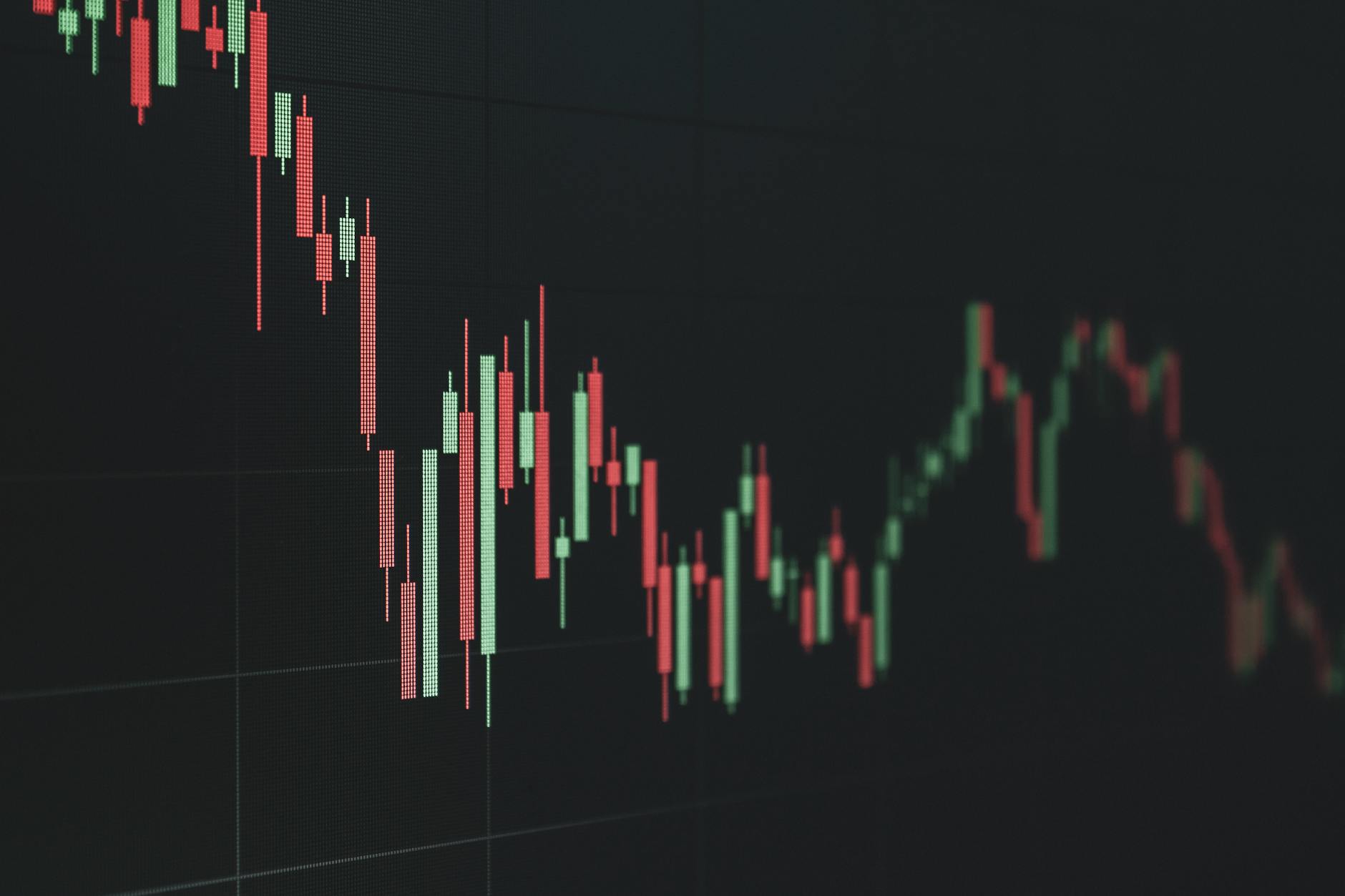
The financial landscape is changing. No longer solely driven by traditional analysts and institutions, it’s increasingly influenced by individuals who cultivate a devoted following – individuals we’re calling ‘Myth Makers’. These figures, often prominent on social media, possess the power to ignite investment trends, sometimes with spectacular results… and sometimes with devastating consequences. But how do you separate genuine opportunity from sheer hype? This article dives deep into the world of Myth Makers, exploring their impact on the market, the risks they pose, and how to protect your financial future.
Who are ‘Myth Makers’ and Why Do They Matter?
The term ‘Myth Maker’ isn’t about building fantasy worlds (though, sometimes, it feels that way). In finance, it refers to individuals who, through compelling narratives, charismatic personalities, and active online engagement, gain a significant influence over investment decisions. They're not necessarily financial advisors (and often aren't), but their recommendations carry weight, particularly with younger investors.
Here’s a breakdown of what defines a Myth Maker:
- Strong Personal Brand: They’ve cultivated a recognizable and engaging online persona.
- Narrative Focus: They don’t just present data; they tell a story, often focusing on disruptive technologies or “world-changing” investments.
- Active Community: They foster a sense of community amongst their followers, creating an ‘us vs. them’ mentality.
- Accessibility: Often presented as 'relatable' and down-to-earth, contrasting with the perceived stuffiness of traditional finance.
- Influence on Price: Their pronouncements can demonstrably move stock prices, coin values, or other asset classes.
Think of figures who have fueled the meme stock frenzy (GameStop, AMC), championed specific cryptocurrencies, or promoted particular investment strategies with fervent enthusiasm. These aren't always malicious actors, but their influence is undeniable.
Image suggestion: *A split image. One side shows a traditional stockbroker in a suit, looking serious. The other side shows a young, casually dressed influencer pointing excitedly at a stock chart on a phone.
The Rise of the 'Myth Maker' – A Perfect Storm of Factors
Several factors have contributed to the rise of these influential figures:
- Social Media Domination: Platforms like X (formerly Twitter), YouTube, TikTok, and Reddit provide direct access to a massive audience.
- Low Barriers to Entry: Anyone with an internet connection can become a 'financial guru'. No qualifications are necessarily required.
- Distrust in Traditional Institutions: Following the 2008 financial crisis, trust in banks and established financial advisors eroded.
- Gamification of Investing: Platforms like Robinhood made investing feel more like a game, attracting a new generation of investors.
- FOMO (Fear Of Missing Out): The rapid gains seen in certain assets, fueled by Myth Maker hype, create intense pressure to participate.
Examples of "Myth Maker" Driven Trends: A Look at the Past
Let's look at some specific examples to illustrate the power (and potential pitfalls) of Myth Maker driven investments:
- GameStop (GME) & AMC Entertainment (AMC): The 2021 short squeeze orchestrated largely through the Reddit forum r/wallstreetbets is the most famous example. A coordinated effort by retail investors, spurred on by online personalities, drove up the price of these heavily shorted stocks, inflicting significant losses on hedge funds. https://example.com/ This showcased the collective power of online communities.
- Cryptocurrency Pumps: Numerous cryptocurrencies have experienced massive price spikes following endorsements from popular YouTubers or social media influencers. These pumps are often followed by dramatic crashes, leaving late investors holding the bag.
- EV Stock Mania: Certain electric vehicle (EV) stocks, particularly those with ambitious but unproven technology, saw huge increases in value based on enthusiastic online narratives.
- NFT (Non-Fungible Token) Hype: The NFT market experienced explosive growth in 2021, driven by social media hype and celebrity endorsements. The market has since cooled significantly, and many NFTs are now worth a fraction of their peak value.
Image suggestion: *A chart showing the volatile price fluctuations of GameStop (GME) stock during the 2021 short squeeze.
The Risks of Following ‘Myth Makers’ Blindly
While some Myth Makers might offer genuine insights, there are significant risks to relying solely on their advice:
- Lack of Fiduciary Duty: Unlike registered financial advisors, Myth Makers generally have no legal obligation to act in your best interest. They can promote investments without disclosing potential conflicts of interest.
- Pump and Dump Schemes: Some Myth Makers actively engage in pump-and-dump schemes, artificially inflating the price of an asset and then selling their own holdings for a profit, leaving others with losses.
- Confirmation Bias: Myth Makers often cater to existing beliefs within their communities, reinforcing biases and discouraging critical thinking.
- Emotional Investing: The hype generated by Myth Makers can lead to impulsive investment decisions based on fear or greed, rather than rational analysis.
- Market Manipulation: Coordinated efforts to manipulate stock prices, while illegal, can be difficult to detect and prosecute.
- Unrealistic Expectations: The focus on rapid gains can create unrealistic expectations about investment returns.
Protecting Your Finances: A Critical Approach
So, how do you navigate this complex landscape and protect your financial well-being? Here are some crucial steps:
- Due Diligence is Paramount: Never invest in something solely based on someone else's recommendation, no matter how influential they are. Thoroughly research the company, its business model, its financials, and its competitive landscape.
- Understand Your Risk Tolerance: Assess your own financial situation, time horizon, and comfort level with risk before making any investment decisions.
- Diversify Your Portfolio: Don't put all your eggs in one basket. Diversification is a key principle of sound investing. https://example.com/
- Be Skeptical of "Guaranteed" Returns: No investment is guaranteed. Anyone promising certain profits is likely trying to scam you.
- Look for Independent Analysis: Consult with multiple sources of information, including reputable financial news outlets, independent research firms, and qualified financial advisors.
- Question the Narrative: Don’t blindly accept the story being told. Seek out dissenting opinions and challenge assumptions.
- Understand the Motivation: Consider why someone is recommending a particular investment. Are they being compensated for it? Do they have a vested interest in its success?
- Long-Term Perspective: Focus on building a long-term investment strategy rather than chasing short-term gains.
Building Your Own Financial Mythology: Knowledge is Power
Instead of following the myths created by others, focus on building your own financial knowledge and creating a sound investment strategy based on your individual goals and circumstances. Consider these resources:
- Books on Investing: "The Intelligent Investor" by Benjamin Graham, "A Random Walk Down Wall Street" by Burton Malkiel.
- Reputable Financial Websites: Investopedia, Bloomberg, The Wall Street Journal, Reuters.
- Financial Education Courses: Many online platforms offer courses on investing and personal finance.
- Certified Financial Planner (CFP): Consider working with a qualified financial advisor who can provide personalized guidance.
A Table of Key Considerations
| Feature | Myth Maker Driven Investments | Traditional Investments |
|---|---|---| | Source of Information | Social Media, Influencers | Financial Analysts, Research Reports | | Decision-Making | Emotional, FOMO-Driven | Rational, Data-Driven | | Risk Level | Generally Higher | Variable, Can be Managed | | Due Diligence | Often Limited | Typically Extensive | | Time Horizon | Short-Term | Long-Term | | Fiduciary Duty | Usually None | Often Present (with Registered Advisors) |
The Future of Finance: Navigating the New Landscape
The influence of ‘Myth Makers’ isn’t going away. As social media continues to evolve, and the lines between finance and entertainment blur, it’s crucial to develop a critical mindset and prioritize sound financial principles. The key isn't to ignore the trends, but to approach them with skepticism, conduct thorough research, and make informed decisions that align with your own financial goals.
Disclaimer: I am an AI chatbot and cannot provide financial advice. This article is for informational purposes only. Affiliate links may be present within this article. If you click on an affiliate link and make a purchase, I may receive a commission. This does not influence my opinions or recommendations. Always consult with a qualified financial advisor before making any investment decisions.