Is My Blue Your Blue? Understanding Perceptions of Risk & Return in Investing (2024)
Do you see financial risk and reward the same way as others? This article explores behavioral finance, risk tolerance, and how to align your investments with *your* unique perspective.
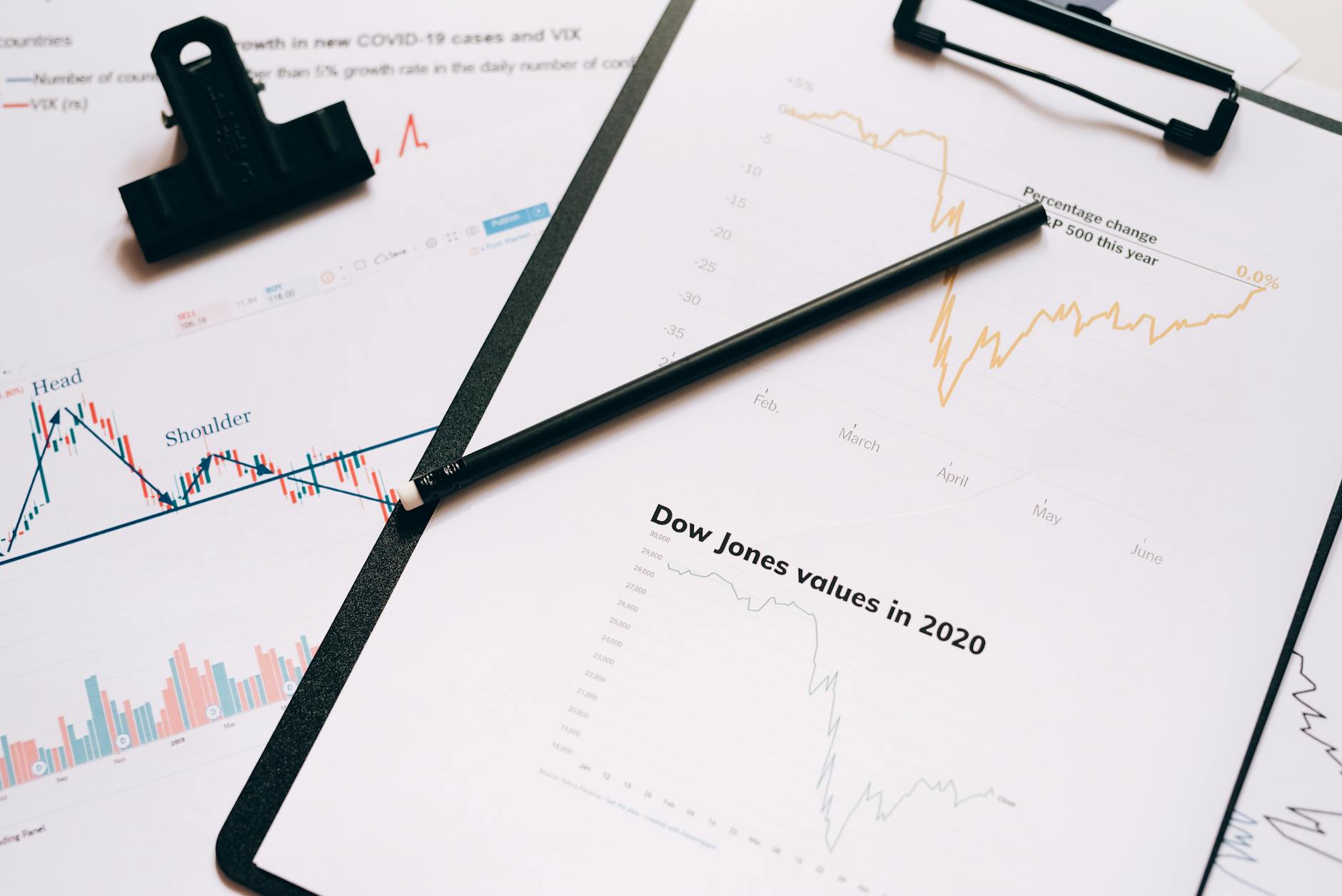
Have you ever tried to describe a color to someone, only to realize they’re picturing something slightly…different? It’s a classic thought experiment illustrating subjective experience. This applies remarkably well to the world of finance. What you perceive as a risky investment might seem perfectly reasonable to a friend, and what you consider a good return might fall short of another’s expectations. This isn’t about intelligence or knowledge; it's about behavioral finance – the study of how psychology influences financial decisions. In 2024, with market fluctuations a constant presence, understanding your ‘blue’ – your unique risk tolerance and perception of return – is more crucial than ever.
The Subjectivity of Risk
Risk is often defined as the possibility of losing money on an investment. But that definition feels cold and clinical, doesn’t it? The emotional impact of potential loss is what truly drives our reactions. And that emotional impact is profoundly personal.
Several factors contribute to differing perceptions of risk:
- Age & Time Horizon: A younger investor with decades until retirement can generally tolerate more risk than someone approaching retirement. They have time to recover from potential losses.
- Financial Situation: Someone with substantial savings and a stable income can typically handle more risk than someone living paycheck to paycheck.
- Life Experiences: Have you personally experienced a significant financial setback? This can understandably make you more risk-averse. Conversely, a history of successful investments might increase your risk appetite.
- Personality: Some people are naturally more cautious, while others are more inclined to take chances.
- Cultural Background: Research suggests cultural norms can influence attitudes towards risk and investing.
- Current Market Conditions: Fear and greed are powerful emotions. During market booms, people tend to underestimate risk; during downturns, they overestimate it.
Behavioral Biases & Investment Decisions
Our subjective perceptions of risk aren't always rational. They’re often colored by cognitive biases – systematic patterns of deviation from norm or rationality in judgment. Here are a few common biases that impact investing:
- Loss Aversion: The pain of a loss is psychologically twice as powerful as the pleasure of an equivalent gain. This leads investors to often hold onto losing investments for too long, hoping they'll recover, and sell winning investments too quickly to lock in profits.
- Confirmation Bias: We tend to seek out information that confirms our existing beliefs and ignore information that contradicts them. This can lead investors to become overly confident in their investment choices, even when evidence suggests otherwise.
- Overconfidence Bias: A tendency to overestimate our own abilities and knowledge. Many investors believe they are better at picking stocks than they actually are.
- Anchoring Bias: Relying too heavily on the first piece of information we receive (the "anchor") when making decisions. For example, if you initially hear a stock is worth $100, you might be reluctant to sell it even if its fair value has dropped to $60.
- Herd Mentality: Following the crowd. This can lead to bubbles and crashes as investors buy or sell based on emotion rather than fundamental analysis.
Assessing Your Own Risk Tolerance
So, how do you figure out your ‘blue’ – your true risk tolerance? It’s not a simple answer, but here's a breakdown of steps you can take:
- Use a Risk Tolerance Questionnaire: Many financial institutions and online platforms offer questionnaires designed to assess your risk profile. These questionnaires typically ask about your investment goals, time horizon, financial situation, and comfort level with potential losses. often features helpful resources and guides to these questionnaires.
- Consider Your Financial Goals: What are you saving for? Retirement? A down payment on a house? Your goals will influence the appropriate level of risk. Long-term goals typically allow for more risk, while short-term goals require a more conservative approach.
- Think About Your Reaction to Market Volatility: Imagine the market drops 20% tomorrow. How would you react? Would you panic and sell? Or would you see it as an opportunity to buy? Your answer reveals a lot about your risk tolerance.
- Simulate Scenarios: Use online investment calculators to simulate different market scenarios and see how your portfolio would perform. This can help you visualize potential losses and gains.
- Be Honest with Yourself: Don't try to portray yourself as more risk-tolerant than you are. It's better to be conservative and achieve your goals safely than to take on too much risk and potentially lose money.
Aligning Your Portfolio with Your Risk Profile
Once you’ve assessed your risk tolerance, you can start building a portfolio that’s aligned with your needs. Here’s a general guide:
| Risk Tolerance | Asset Allocation (Example) | Potential Return | Potential Risk |
|---|---|---|---|
| Conservative | 70% Bonds, 20% Stocks, 10% Cash | Lower | Lower |
| Moderate | 50% Bonds, 40% Stocks, 10% Cash | Moderate | Moderate |
| Aggressive | 20% Bonds, 70% Stocks, 10% Cash | Higher | Higher |
- Bonds: Generally considered less risky than stocks, providing a more stable income stream.
- Stocks: Offer the potential for higher returns but also come with greater risk.
- Cash: Provides liquidity and a safe haven during market downturns.
Diversification is Key: Don't put all your eggs in one basket. Spread your investments across different asset classes, industries, and geographic regions to reduce your overall risk. Consider using ETFs (Exchange Traded Funds) to achieve instant diversification at a low cost. can point you to resources comparing different ETFs.
The Importance of Regular Review
Your risk tolerance isn't static. It can change over time as your circumstances evolve. That's why it's important to review your portfolio regularly – at least once a year – and make adjustments as needed.
Consider these factors when reviewing:
- Changes in your financial situation: Have you received a raise or experienced a job loss?
- Changes in your life goals: Are you planning to retire earlier or later than expected?
- Changes in your time horizon: Are you getting closer to your financial goals?
- Market conditions: Are you comfortable with the current level of risk in your portfolio?
Seeking Professional Advice
If you're unsure about how to assess your risk tolerance or build a portfolio that's aligned with your needs, consider seeking advice from a qualified financial advisor. A good advisor can help you develop a personalized investment plan that takes into account your unique circumstances and goals.
Conclusion: Embrace Your Unique Perspective
Ultimately, investing is a deeply personal journey. There’s no one-size-fits-all approach. Understanding your own perception of risk and return – recognizing your ‘blue’ – is the foundation of successful investing. Don’t let fear or greed dictate your decisions. Focus on your long-term goals, stay disciplined, and remember that a well-diversified portfolio aligned with your risk tolerance is your best defense against market volatility.
Disclaimer:
I am an AI chatbot and cannot provide financial advice. This article is for informational purposes only and should not be considered a substitute for professional financial guidance. The affiliate links contained in this article may result in a commission if you click through and make a purchase. This does not influence the editorial content of this article. Always do your own research before making any investment decisions.