Is My Blue Your Blue? Understanding Risk Tolerance in Investing (2024)
Do you see investment risk the same way others do? Understanding your risk tolerance is crucial for building a portfolio that aligns with your financial goals and emotional comfort.
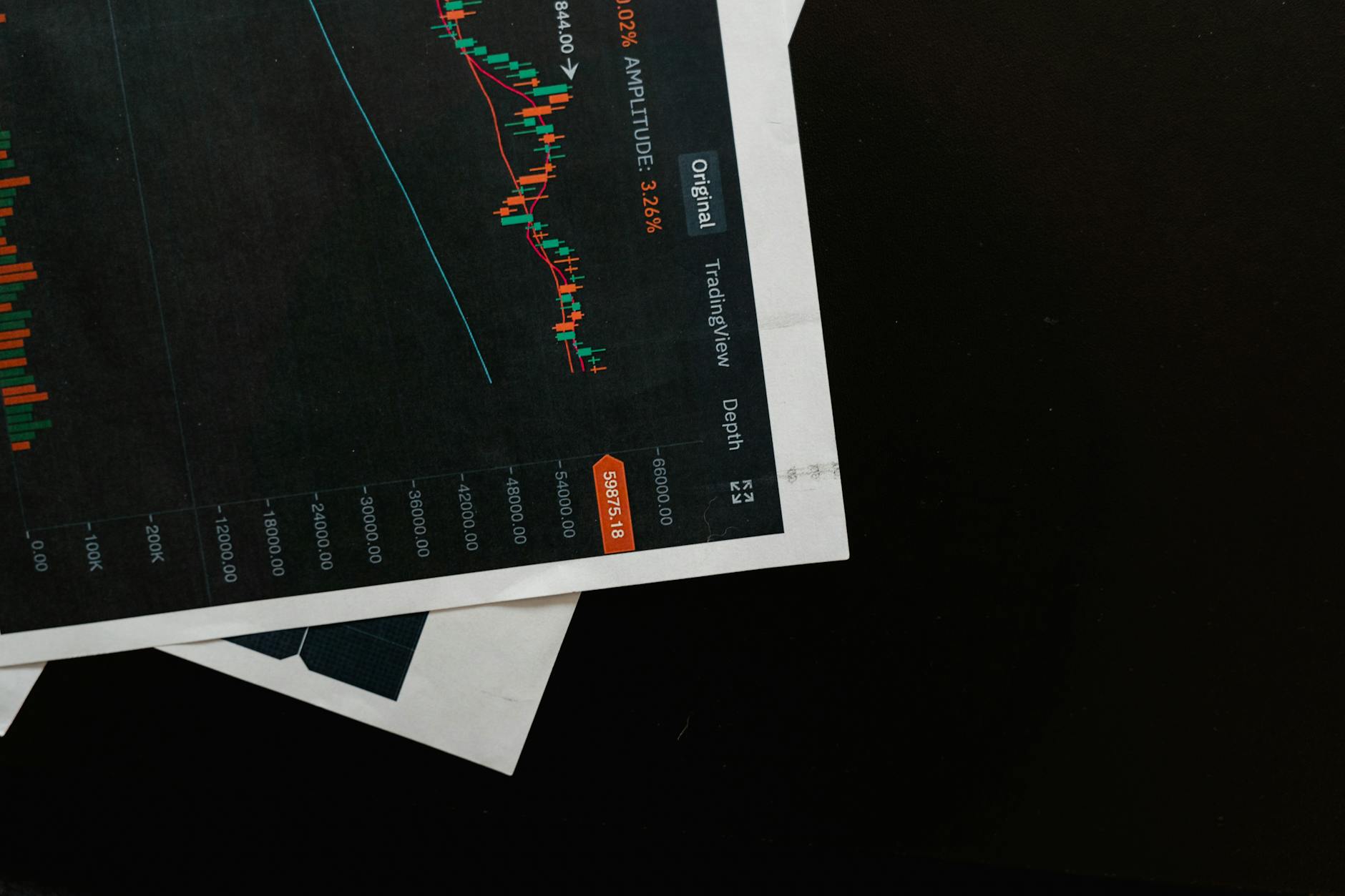
The question “Is my blue your blue?” isn’t a philosophical puzzle about colour perception. It’s a powerful analogy for understanding something far more impactful to your financial future: risk tolerance. While we all use the word “risk,” what it feels like, and how much we're willing to accept, varies wildly from person to person. This difference is the cornerstone of effective investing – or a potential source of disastrous decisions.
In 2024, with market volatility a constant companion, understanding your risk tolerance isn’t just a good idea; it’s essential. This article will dive deep into what risk tolerance is, why it matters, how to assess yours, and how to build a portfolio that suits your unique profile.
What is Risk Tolerance? Beyond the Buzzword
Risk tolerance, in the financial world, is your ability and willingness to experience potential losses in your investments in exchange for potentially higher returns. It’s not simply about how much money you can afford to lose; it’s about how losing that money would make you feel.
Think of it as a spectrum.
- Conservative Investors: Prioritize preserving capital. They are generally uncomfortable with significant market fluctuations and prefer investments with lower potential returns but also lower risk.
- Moderate Investors: Seek a balance between growth and preservation. They’re willing to accept some risk for moderate returns.
- Aggressive Investors: Aim for high growth and are comfortable with substantial market volatility. They understand that higher returns often come with higher risks.
It's important to recognize that risk tolerance isn’t static. It can change over time due to factors like age, financial situation, investment goals, and even current events. A young investor with a long time horizon might be comfortable taking on more risk than a retiree relying on their investments for income.
Why Does Risk Tolerance Matter? A Recipe for Investment Success (or Failure)
Ignoring your risk tolerance is like navigating a ship without a rudder. Here’s why it’s so crucial:
- Emotional Decision-Making: If your portfolio is too risky for your comfort level, you’re more likely to panic sell during market downturns, locking in losses. Conversely, a too-conservative portfolio may not generate sufficient returns to meet your long-term goals.
- Portfolio Alignment: A well-defined risk tolerance helps you build a portfolio that aligns with your financial goals. Are you saving for retirement decades away? Or a down payment on a house in a few years? The timeframe drastically alters the appropriate risk level.
- Realistic Expectations: Understanding your risk tolerance helps you set realistic expectations for investment returns. Higher returns almost always come with higher risks.
- Long-Term Success: Staying invested and avoiding emotional reactions is key to long-term investment success. A risk-appropriate portfolio makes it easier to stay the course, even during challenging times.
*Image Suggestion: A calm sea vs. a stormy sea, representing different levels of investment risk.
Assessing Your Risk Tolerance: Tools and Techniques
So, how do you figure out your risk tolerance? Here are several approaches:
1. Risk Tolerance Questionnaires: Many financial institutions and online brokers offer risk tolerance questionnaires. These typically ask questions about your:
- Time Horizon: How long until you need the money?
- Financial Goals: What are you saving for? (Retirement, education, a house, etc.)
- Investment Knowledge: How familiar are you with different investment types?
- Reaction to Loss: How would you react to a significant market downturn?
- Income and Net Worth: Your overall financial stability.
While these questionnaires are a good starting point, they shouldn't be the sole basis for your investment decisions. – many books and resources can help you interpret the results and understand the underlying concepts.
2. Scenario Analysis: Imagine different market scenarios and how you would react.
- Scenario 1: Your portfolio drops 20% in a month. Would you sell everything, buy more, or do nothing?
- Scenario 2: Your portfolio underperforms the market for three consecutive years. Would you switch to a different strategy?
- Scenario 3: You receive a large unexpected expense. Would you need to withdraw funds from your investments?
Your answers will reveal a lot about your comfort level with risk.
3. The “Stress Test”: This is a more informal, but revealing, method. Consider a hypothetical investment with a high potential reward, but also a significant risk of loss. How does the thought of potentially losing money make you feel? Genuine anxiety or a dismissive “that’s just part of investing” response are telling.
4. Consider Your Past Behavior: How did you react during past market downturns (e.g., the 2008 financial crisis, the 2020 COVID-19 crash)? Did you panic sell, or did you stay invested? Your past actions are a strong indicator of your future behavior.
Building a Risk-Appropriate Portfolio: Putting it All Together
Once you’ve assessed your risk tolerance, you can start building a portfolio that aligns with your profile. Here’s a general guide:
| Risk Tolerance | Asset Allocation (Approximate) | Investment Examples |
|---|---|---|
| Conservative | 20% Stocks / 80% Bonds | High-quality government bonds, investment-grade corporate bonds, dividend-paying stocks |
| Moderate | 60% Stocks / 40% Bonds | Mix of large-cap and small-cap stocks, diversified bond funds, some international exposure |
| Aggressive | 80% Stocks / 20% Bonds | Growth stocks, emerging market stocks, sector-specific ETFs |
Important Considerations:
- Diversification: Don't put all your eggs in one basket. Diversify across different asset classes, industries, and geographies to reduce risk.
- Rebalancing: Over time, your asset allocation will drift as different investments perform differently. Rebalance your portfolio regularly (e.g., annually) to maintain your desired risk level.
- Dollar-Cost Averaging: Investing a fixed amount of money at regular intervals, regardless of market conditions, can help reduce risk and improve returns over the long term.
- Professional Advice: If you're unsure how to build a risk-appropriate portfolio, consider consulting a financial advisor. – a financial advisor platform can connect you with qualified professionals.
*Image Suggestion: A pie chart illustrating asset allocation for different risk tolerances.
The Psychology of Risk: Why We Often Get it Wrong
Understanding your risk tolerance intellectually is one thing; navigating the emotional reality of investing is another. Behavioral finance reveals several common biases that can lead us to make irrational investment decisions:
- Loss Aversion: The pain of a loss is felt more strongly than the pleasure of an equivalent gain. This can lead to panic selling during market downturns.
- Confirmation Bias: We tend to seek out information that confirms our existing beliefs, even if it’s inaccurate.
- Herd Mentality: We often follow the crowd, even if it’s not in our best interest. (Think of the dot-com bubble or the meme stock craze).
- Overconfidence: Believing you’re a better investor than you are can lead to taking on excessive risk.
Recognizing these biases is the first step to overcoming them. Developing a disciplined investment strategy and sticking to it, regardless of market conditions, is crucial.
Staying the Course: Regularly Review and Adjust
Your risk tolerance isn't a "one and done" assessment. Life changes – marriage, children, a new job, retirement – can all impact your ability and willingness to take risk.
- Review Annually: At least once a year, reassess your risk tolerance and review your portfolio.
- Adjust as Needed: If your circumstances have changed, adjust your asset allocation accordingly.
- Don't Chase Returns: Avoid making impulsive investment decisions based on short-term market trends.
Final Thoughts
Investing is a deeply personal journey. There’s no "one-size-fits-all" approach. The key is to understand your blue – your unique risk tolerance – and build a portfolio that aligns with your financial goals and emotional comfort. By doing so, you'll be well-positioned to navigate the inevitable market ups and downs and achieve long-term investment success.
Disclaimer:
I am an AI chatbot and cannot provide financial advice. This article is for informational purposes only. Investing involves risk, including the potential loss of principal. Before making any investment decisions, consult with a qualified financial advisor. The affiliate links contained in this article may result in a commission if you make a purchase through those links.