Nobody Understands the Point of Hybrid Cars [Video Breakdown & Financial Analysis]
Are hybrid cars really worth it? We break down the financial benefits, debunk common myths, and explain why they *still* make sense in 2024. Plus, analyze a popular video making the opposing argument.
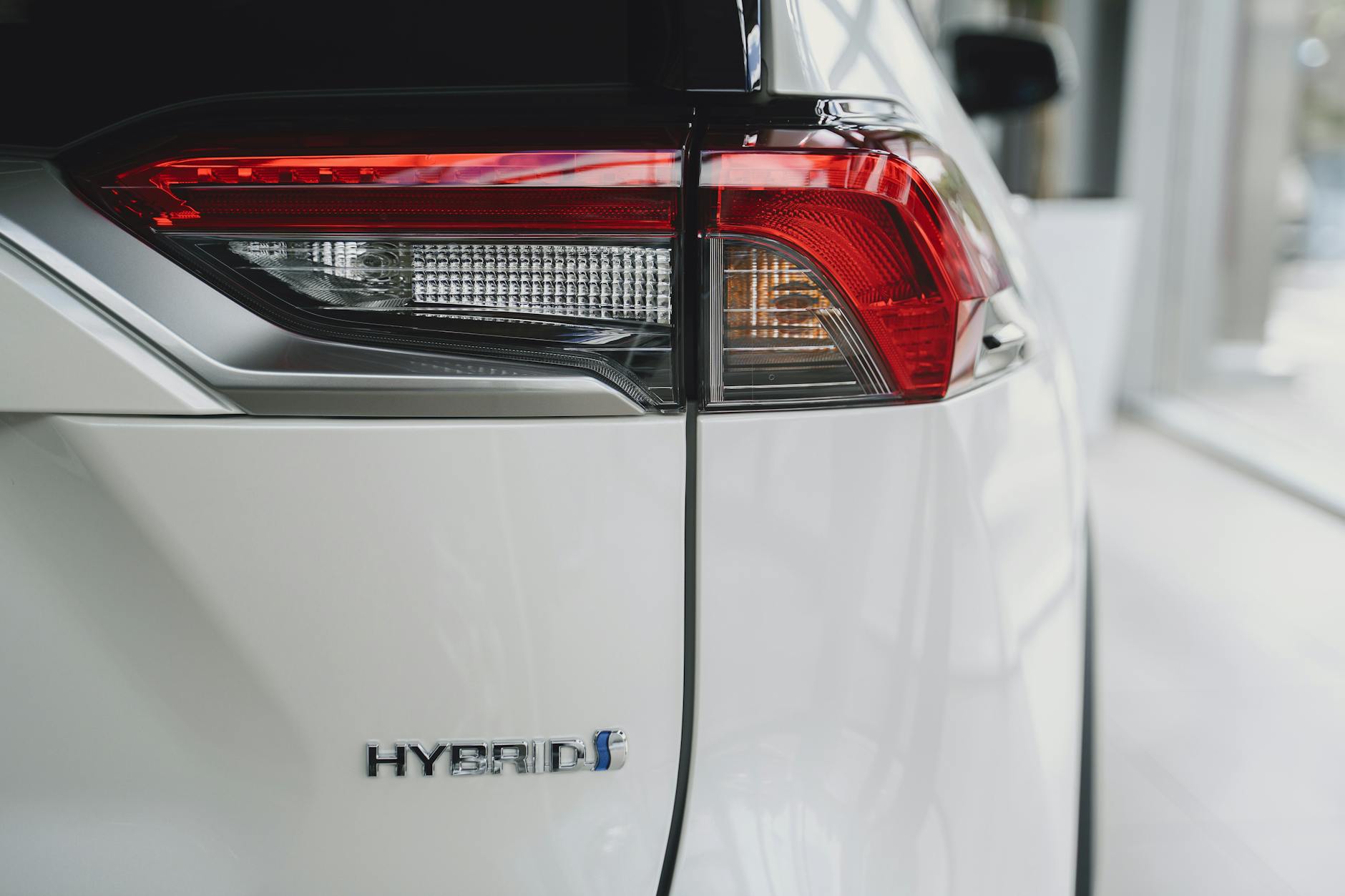
A recent video circulating online boldly claims "Nobody Understands the Point of Hybrid Cars." It argues that with the rise of fully electric vehicles (EVs), hybrids are an obsolete, expensive compromise. While the video raises some valid points, particularly concerning newer EV models, its overall conclusion is… well, short-sighted. This article will dissect the video’s arguments, provide a comprehensive financial analysis of hybrid ownership, and explain why hybrids still represent a smart financial decision for many drivers in 2024.
The Argument Against Hybrids: A Recap
The video’s core arguments center around these points:
- Hybrids aren’t “green” enough: They still rely on gasoline, diminishing their environmental credentials.
- EVs are becoming cheaper: The initial price gap between EVs and hybrids is closing rapidly.
- Maintenance costs are comparable: Hybrid systems can be complex and expensive to repair.
- Resale values are declining: As EVs become more popular, demand for hybrids is falling.
These arguments aren't entirely wrong. EV technology is improving, prices are dropping, and hybrid repair can be pricey. However, they fail to consider the nuanced reality of car ownership, individual driving habits, and the limitations of EV infrastructure.
Why Hybrids Still Make Financial Sense
Let’s delve into a detailed financial analysis, comparing hybrid ownership to both traditional gasoline cars and EVs. We'll consider initial purchase price, fuel costs, maintenance, and resale value.
1. Initial Purchase Price
The video is correct – EVs are becoming more competitive. However, on average, hybrids still have a lower initial purchase price than comparable EVs. This is a significant barrier to entry for many buyers.
- Gasoline Car: $25,000 - $45,000 (average)
- Hybrid Car: $28,000 - $50,000 (average)
- Electric Vehicle: $35,000 - $70,000+ (average)
*Image suggestion: A bar graph comparing average purchase prices of gasoline cars, hybrids, and EVs.
Financing options also play a role. Interest rates on auto loans can vary depending on credit score and the type of vehicle. However, manufacturers often offer incentives and rebates on hybrids, further reducing the initial cost. Check for current offers from Toyota, Honda, Hyundai, and Ford.
2. Fuel Costs: The Hybrid Advantage
This is where hybrids truly shine. Their combination of a gasoline engine and electric motor delivers significantly better fuel efficiency than traditional cars.
Let's assume:
- Average annual mileage: 12,000 miles
- Gasoline price: $3.50/gallon
- Hybrid MPG: 50 MPG
- Gasoline Car MPG: 25 MPG
- Electricity Cost: $0.15/kWh (average national rate)
- EV Miles per kWh: 3 miles
Annual Fuel Costs:
- Gasoline Car: (12,000 miles / 25 MPG) * $3.50/gallon = $1,680
- Hybrid Car: (12,000 miles / 50 MPG) * $3.50/gallon = $840
- Electric Vehicle: (12,000 miles / 3 miles/kWh) * $0.15/kWh = $600
As you can see, a hybrid saves $840 per year compared to a gasoline car, while an EV saves $1080. However, this calculation doesn’t account for potential “range anxiety” with EVs or the cost of installing a home charging station (https://example.com/ – check out options for EV chargers).
3. Maintenance Costs: A Complex Picture
The video's claim about comparable maintenance costs is debatable. While some hybrid components, like the battery, can be expensive to replace (typically after 8-10 years), hybrids often require less frequent maintenance overall.
- Regenerative Braking: Hybrids use regenerative braking, which reduces wear and tear on brake pads.
- Less Engine Wear: The electric motor assists the gasoline engine, reducing its workload and extending its lifespan.
- Fewer Oil Changes: Hybrids often have optimized engine designs that require less frequent oil changes.
However, repairs to the hybrid system can be complex and require specialized technicians. It's crucial to factor in potential costs for battery replacement and hybrid system components when budgeting for maintenance. Consider an extended warranty for peace of mind.
*Image suggestion: An illustration depicting the regenerative braking system in a hybrid car.
4. Resale Value: The Trend is Shifting
The video correctly points out that hybrid resale values are being impacted by the rise of EVs. However, this doesn't mean hybrids are worthless. Demand for used hybrids remains strong, especially in areas with limited EV infrastructure.
Furthermore, the depreciation curve for hybrids is often slower than for gasoline cars, meaning they hold their value better over time.
A table illustrating depreciation (estimated) after 5 years:
| Vehicle Type | Estimated Depreciation |
|---|---| | Gasoline Car | 40-50% | | Hybrid Car | 30-40% | | Electric Vehicle | 35-45% (highly variable) |
Note: Depreciation rates vary depending on make, model, condition, and market conditions.
5. The "Hidden" Costs of EV Ownership
While EVs boast lower running costs, several "hidden" expenses can add up:
- Home Charging Installation: $500 - $2,000+
- Battery Degradation: EV batteries lose capacity over time, potentially requiring replacement.
- Public Charging Costs: Public charging stations can be significantly more expensive than home charging.
- Limited Range: Range anxiety and the need to plan trips around charging stations can be inconvenient.
Who Should Consider a Hybrid?
Hybrids aren’t for everyone, but they are a particularly good fit for:
- Commuters: Stop-and-go traffic is where hybrids excel in fuel efficiency.
- Drivers with limited access to charging: If you live in an apartment or don't have a dedicated parking space with charging access, a hybrid is a practical solution.
- Budget-conscious buyers: Hybrids offer a balance of fuel efficiency and affordability.
- Those not ready to fully commit to electric: A hybrid provides a "stepping stone" towards EV ownership.
- Individuals who frequently drive long distances: Range anxiety is minimized with a hybrid.
The Verdict: Hybrids Aren't Going Anywhere
The claim that "Nobody Understands the Point of Hybrid Cars" is simply inaccurate. Hybrids remain a compelling financial option for a wide range of drivers. While EVs are undoubtedly the future, the transition will take time, and hybrids will continue to play a vital role in reducing emissions and saving consumers money. They offer a pragmatic solution that bridges the gap between traditional gasoline cars and fully electric vehicles.
Before dismissing hybrids, carefully consider your individual driving needs, budget, and access to charging infrastructure. You might be surprised at how much sense a hybrid makes. https://example.com/ - Check current hybrid models and prices.
Disclaimer:
This article contains affiliate links. If you purchase a product through these links, we may earn a commission at no extra cost to you. This helps support our website and allows us to continue providing valuable content. We are not financial advisors, and this information is for general guidance only. Always conduct your own research and consult with a qualified professional before making any financial decisions.