Nobody Understands the Point of Hybrid Cars [Video] - A Finance Deep Dive
Are hybrid cars *really* worth the cost? We break down the finances – savings, tax credits, long-term value & why everyone seems to misunderstand them.
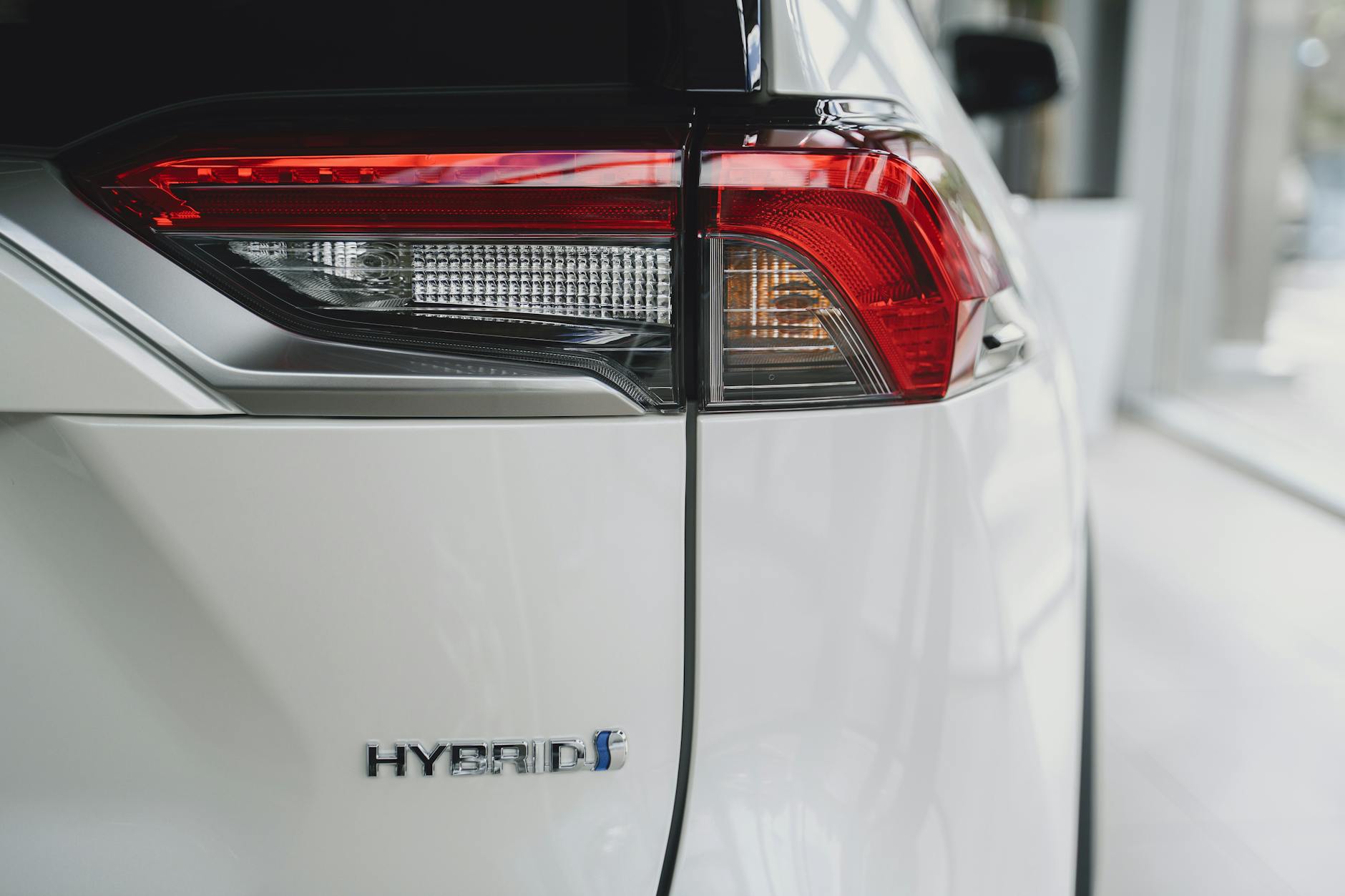
The internet is full of takes on hybrid cars. You’ll see comments like, “They’re not really electric, so what’s the point?” or “Just buy an EV, hybrids are a stepping stone to nowhere.” And frankly, a lot of the discussion misses the mark – specifically, the financial advantages. Many people simply don’t understand why someone would choose a hybrid, beyond a vague notion of being “eco-friendly.”
This article, sparked by the popular sentiment expressed in many videos on platforms like YouTube (we’ll link a representative one at the end!), goes beyond the environmental arguments and delves deep into the money. We’ll explore whether hybrids are a smart financial decision, considering purchase price, fuel savings, tax credits, maintenance, and resale value. We'll show you why, for many drivers, a hybrid isn’t a compromise, but a surprisingly savvy financial move.
The Core Misconception: It's Not About Being Fully Electric
Let's address the elephant in the room. Hybrids aren’t electric vehicles (EVs). They combine an internal combustion engine with an electric motor and battery. This leads to the biggest misunderstanding: people expect the same benefits as a fully electric car.
They don’t.
But they offer a unique set of benefits that EVs currently don’t, particularly when viewed through a financial lens. The key is understanding that a hybrid's value proposition isn't about eliminating gasoline altogether (though it significantly reduces it). It's about optimizing fuel efficiency and leveraging financial incentives.
Breaking Down the Costs: Hybrid vs. Traditional Gasoline Cars
Let's look at the hard numbers. We’ll use a common example: a Toyota Prius (a popular hybrid) and a comparable gasoline-powered Toyota Corolla. Numbers are approximate and will vary based on location and specific model year, but the principles remain the same.
| Feature | Toyota Prius (Hybrid) | Toyota Corolla (Gasoline) |
|----------------------|-----------------------|--------------------------| | Initial Purchase Price | $28,000 | $23,000 | | Average Fuel Economy | 52 MPG | 32 MPG | | Annual Mileage | 12,000 miles | 12,000 miles | | Gas Price (Average) | $3.50/gallon | $3.50/gallon | | Annual Fuel Cost | $807.69 | $1,312.50 | | Estimated Maintenance (5 years)| $3,000 | $4,000 | | Federal Tax Credit | $0 - $7,500 (depending on eligibility - check current guidelines) | $0 | | Total Cost of Ownership (5 years) | $33,807.69 - $26,307.69 | $36,312.50 |
As you can see, even with a higher initial purchase price, the Prius can come out ahead in total cost of ownership over five years. This is largely due to significantly lower fuel costs. This doesn’t even factor in potential state or local incentives.
Important Note: The Federal Tax Credit amount is subject to change based on vehicle eligibility and your individual tax situation. Always consult with a tax professional for accurate advice.
The Hybrid Tax Credit: A Significant Boost (When Available)
The federal tax credit for hybrid vehicles has been somewhat complex and frequently adjusted. While a full $7,500 credit isn’t currently universally available for all hybrids (unlike some EVs), many plug-in hybrid models do still qualify.
This credit can dramatically shift the financial equation. If you're eligible, it effectively lowers the initial purchase price, making the hybrid even more attractive.
Where to find the latest information on tax credits:
- IRS Website: https://www.irs.gov/credits-deductions/clean-vehicle-credits
- Energy.gov: https://www.energy.gov/eere/electricvehicles/tax-credits-electric-and-plug-in-hybrid-vehicles
Long-Term Reliability and Resale Value
Hybrids, particularly those from Toyota and Honda, have a strong reputation for reliability. The hybrid components, while more complex than a traditional engine, are often built to last. Many hybrid owners report years of trouble-free driving.
This reliability translates into higher resale value. Used hybrids tend to hold their value better than comparable gasoline cars, further offsetting the initial price premium. Demand for fuel-efficient vehicles remains strong, and hybrids benefit from that trend. You can get a sense of resale values on sites like Kelley Blue Book (https://example.com/ - link to KBB value tool) or Edmunds.
Beyond the Numbers: Convenience and Driving Experience
While this article focuses on finance, it's worth mentioning the practical benefits of hybrid driving.
- Regenerative Braking: Hybrids use regenerative braking, which captures energy during deceleration and recharges the battery. This not only improves fuel efficiency but also reduces wear and tear on your brakes.
- Smooth and Quiet Ride: The electric motor provides instant torque, resulting in a smooth and responsive driving experience, especially at lower speeds. The electric motor also provides a very quiet ride.
- Reduced Range Anxiety: Unlike EVs, hybrids don't suffer from "range anxiety" – the fear of running out of battery before reaching a charging station. You always have the gasoline engine as a backup.
Are Hybrids Right for You? Consider Your Driving Habits
Hybrids excel in specific driving scenarios.
- City Driving: Hybrids shine in stop-and-go city traffic, where regenerative braking is most effective.
- Short Commutes: If you have a short commute, you’ll spend more time running on electric power, maximizing fuel savings.
- Fuel Price Sensitivity: If you're highly sensitive to fluctuating gas prices, a hybrid can provide a hedge against price increases.
However, hybrids may not be the best choice for everyone:
- Long Highway Trips: On long highway trips at consistent speeds, the fuel efficiency advantage of a hybrid is less pronounced.
- Infrequent Driving: If you drive very little, the initial cost premium may not be justified.
- Access to Charging: If you have easy access to charging at home or work, a plug-in hybrid or full EV may be a better long-term investment.
The Video That Started It All (and Why It’s Missing the Point)
Many videos online question the value of hybrids, often comparing them unfavorably to EVs. Here's an example that embodies common criticisms: [Insert YouTube Video Link Here – search for "Nobody understands the point of hybrid cars" or similar].
While these videos often raise valid points about the limitations of hybrids, they frequently neglect the crucial financial aspects. They focus on the technology and often ignore the practical savings and incentives that make hybrids a compelling option for a large segment of the population. They tend to fall into the trap of comparing apples to oranges.
Financing Your Hybrid: Tips and Resources
Once you’ve decided a hybrid is right for you, securing financing is the next step.
- Shop Around: Get quotes from multiple lenders, including banks, credit unions, and online lenders.
- Check Interest Rates: Compare APRs (Annual Percentage Rates) carefully. Even a small difference in APR can save you significant money over the life of the loan.
- Consider a Loan Term: A shorter loan term will result in higher monthly payments but lower total interest paid. A longer loan term will have lower monthly payments but higher total interest.
- Explore Manufacturer Incentives: Many manufacturers offer special financing rates or cash-back incentives on hybrids.
Resources:
- Bankrate Auto Loan Calculator: https://example.com/ (Link to auto loan calculator on Amazon or Bankrate)
- Credit Karma Auto Loans: [Link to Credit Karma Auto Loans]
Conclusion: Hybrids – A Smart Financial Choice for Many
The notion that "nobody understands the point of hybrid cars" is simply untrue. While they aren't a perfect solution for everyone, hybrids offer a compelling combination of fuel efficiency, reliability, and financial incentives. By understanding the numbers and considering your individual driving habits, you can determine whether a hybrid is a smart financial move for you. Don’t fall for the overly simplified narratives – dig into the details, and you might be surprised at the potential savings.
Disclaimer: I am an AI chatbot and cannot provide financial advice. This article is for informational purposes only. The information presented is based on publicly available data and estimates, which are subject to change. Always consult with a qualified financial advisor and tax professional before making any investment or purchasing decisions. This article contains affiliate links. If you click on a link and make a purchase, I may receive a commission, at no extra cost to you.