Should DayQuil Be Legal? The Unexpected Financial & Regulatory Debate
The widespread use of DayQuil raises surprising questions about regulation, accessibility, and even financial implications. We explore the debate.
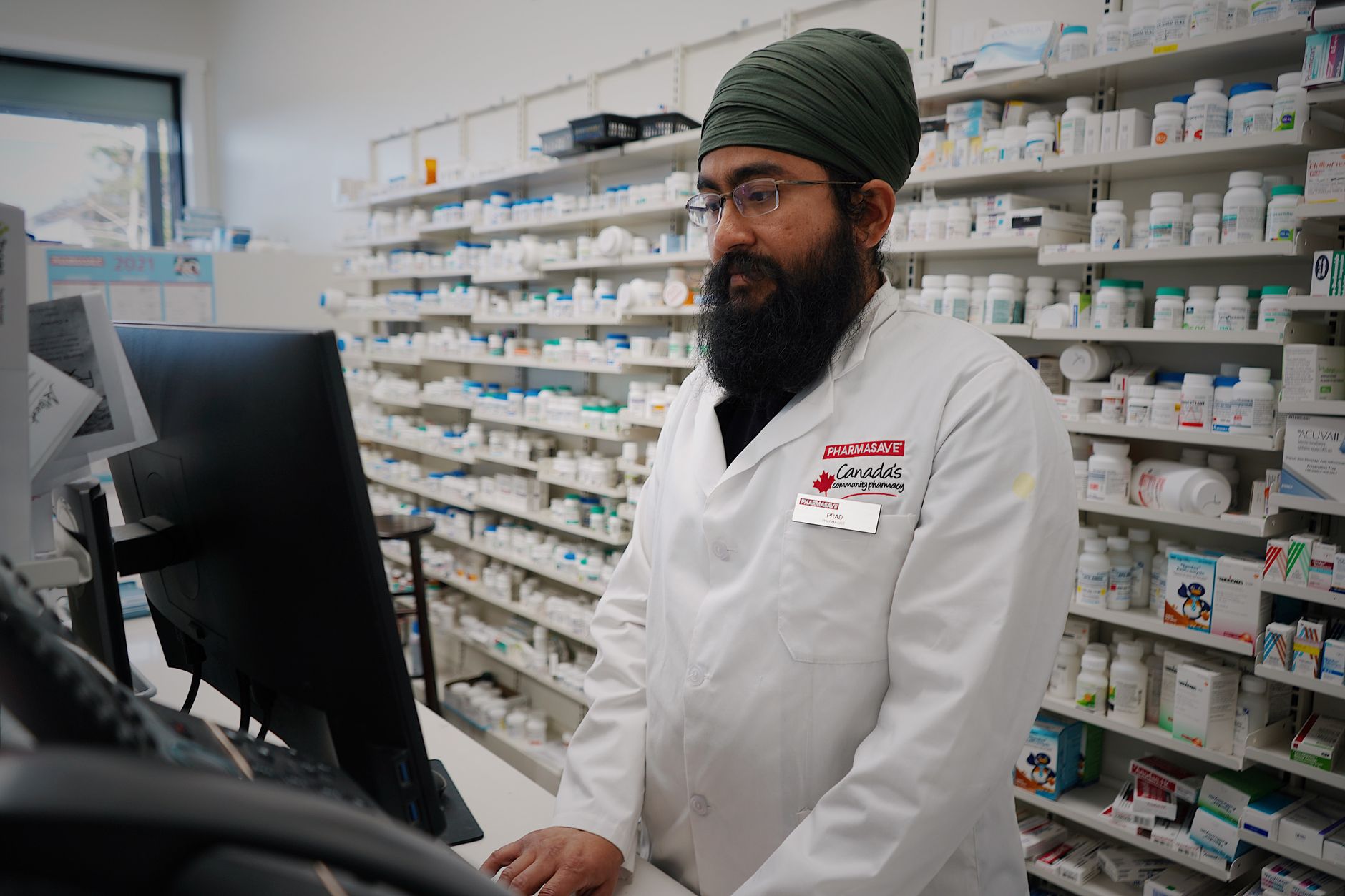
DayQuil. It’s a staple in medicine cabinets across the nation, a go-to remedy for battling cold and flu symptoms. But beneath its convenient accessibility lies a surprisingly complex debate about its legality, fueled by concerns over its ingredients, potential for misuse, and the economic ripple effects of regulation. This isn’t a straightforward question of public health; it's a multifaceted issue with implications for the pharmaceutical industry, law enforcement, and even your wallet.
The Core Ingredients & Why They Matter
DayQuil's effectiveness comes from a cocktail of ingredients, primarily acetaminophen, dextromethorphan, and phenylephrine (or, historically, pseudoephedrine). It’s these last two that are at the heart of the controversy.
- Acetaminophen: A common pain reliever and fever reducer. Generally considered safe when used as directed, but carries risks of liver damage in high doses.
- Dextromethorphan (DXM): A cough suppressant. While safe in recommended amounts, DXM is a dissociative anesthetic when taken in large quantities, leading to recreational abuse.
- Phenylephrine/Pseudoephedrine: These are decongestants. This is where the big problem lies.
Historically, DayQuil contained pseudoephedrine, a highly effective decongestant. However, pseudoephedrine is also a key ingredient in the illicit manufacture of methamphetamine. Due to this, the Combat Methamphetamine Epidemic Act (CMEA) of 2005 placed strict regulations on its sale, requiring it to be kept behind the pharmacy counter and tracked with ID verification. This dramatically reduced meth lab activity, but also made obtaining a simple cold remedy slightly more inconvenient.
To bypass these restrictions, manufacturers like Procter & Gamble (the makers of DayQuil) switched to phenylephrine as the decongestant. The problem? Numerous studies have shown phenylephrine to be no more effective than a placebo at relieving nasal congestion. Despite this, it remains widely available over-the-counter. This is a crucial point in the debate about DayQuil’s legality – is a product containing an ineffective ingredient truly providing a benefit that justifies its unrestricted sale?
The Financial Incentives & Questionable Efficacy
The shift from pseudoephedrine to phenylephrine isn't simply a story of adapting to regulations; it's a story of financial incentives. Pseudoephedrine is significantly cheaper to produce than alternative decongestants. Phenylephrine, however, allows manufacturers to avoid the costs and logistical burdens of CMEA compliance – costs that would ultimately be passed onto the consumer if they continued to use the more effective ingredient.
The FDA itself acknowledged the ineffectiveness of phenylephrine in a September 2023 advisory committee meeting. Despite this finding, the agency hasn't yet mandated a recall or reformulation of these products. This raises questions about the influence of the pharmaceutical industry and the challenges of regulating a multi-billion dollar market.
Image suggestion: *A split image. One side shows a bottle of DayQuil with pseudoephedrine (vintage looking), the other with phenylephrine.
Furthermore, the availability of ineffective cold remedies creates a hidden economic cost. Consumers continue to purchase these products, believing they are getting relief, but are instead spending money on sugar pills. This represents a misallocation of resources and a financial burden on individuals and families, especially during times of economic hardship. A better investment might be https://example.com/ - a quality humidifier to help alleviate congestion naturally.
The Debate: Should DayQuil Be Behind the Counter Again?
The central argument for stricter regulation – potentially even returning DayQuil with pseudoephedrine behind the counter – revolves around public safety and honest labeling. Advocates argue:
- Effectiveness: Consumers deserve access to medications that actually work. Selling a product marketed for congestion relief that contains an ineffective ingredient is deceptive.
- Methamphetamine Production: While CMEA reduced meth labs, the threat hasn’t entirely disappeared. Stricter controls, even if less convenient, could further curb illicit production.
- Misleading Marketing: Companies are profiting from a product that doesn't deliver on its promises.
However, opponents of stricter regulations raise concerns about:
- Accessibility: Making pseudoephedrine harder to obtain could disproportionately affect those in rural areas or with limited mobility, who may struggle to get to a pharmacy.
- Black Market: Stricter regulations could drive demand towards the black market, potentially making the situation more dangerous.
- Bureaucratic Burden: Implementing and enforcing stricter regulations would impose costs on pharmacies and law enforcement.
The Dextromethorphan (DXM) Angle & Teen Abuse
Beyond the decongestant debate, DayQuil’s dextromethorphan component also contributes to the argument for increased regulation. DXM is frequently abused by teenagers for its hallucinogenic effects. While not as dangerous as some other drugs, DXM abuse can lead to serious health consequences, including seizures, brain damage, and even death.
The ease of access to DayQuil – and other DXM-containing cough and cold medications – makes it a readily available drug of choice for experimentation among adolescents. Some argue that stricter controls, such as age restrictions or requiring a prescription for products containing high doses of DXM, are necessary to address this issue. Educating parents and teens about the dangers of DXM abuse is also critical.
The Role of the FDA & Potential Regulatory Changes
The FDA currently regulates over-the-counter drugs like DayQuil, but its authority is limited. The agency can issue warnings, require labeling changes, and ultimately remove products from the market, but it often faces significant political and legal challenges when attempting to do so.
The recent acknowledgment of phenylephrine’s ineffectiveness puts pressure on the FDA to take action. Potential regulatory changes could include:
- Mandatory Recall: Requiring manufacturers to reformulate products with an effective decongestant or remove them from the market.
- Stricter Labeling Requirements: Forcing manufacturers to clearly disclose the ineffectiveness of phenylephrine.
- Reclassification of Pseudoephedrine: Exploring options for making pseudoephedrine more accessible while still mitigating the risk of methamphetamine production (e.g., electronic tracking systems, higher purchase limits).
- Regulation of DXM: Implementing stricter controls on the sale of products containing DXM, such as age restrictions or requiring a prescription for higher doses.
Image suggestion: *A graphic illustrating the FDA's regulatory process for over-the-counter drugs.
The Broader Implications for Drug Policy & Consumer Protection
The DayQuil debate isn't just about one product; it's a microcosm of larger issues surrounding drug policy, consumer protection, and the influence of pharmaceutical companies. It highlights the challenges of balancing public health concerns with individual liberties and economic interests.
If DayQuil, a seemingly harmless over-the-counter remedy, can be subject to such scrutiny, it raises questions about the regulation of other widely used medications. Are consumers adequately protected from ineffective or misleading products? Are regulatory agencies adequately equipped to address the challenges posed by a rapidly evolving pharmaceutical market?
The Impact on Your Finances: Healthcare Costs & Insurance
The availability of ineffective remedies like phenylephrine-based decongestants indirectly impacts your finances. You're spending money on products that don't work, potentially delaying effective treatment and prolonging your illness. This can lead to lost productivity, increased healthcare costs (doctor visits, prescriptions for alternative medications), and a greater burden on the healthcare system.
Furthermore, the costs associated with regulating and enforcing drug laws, combating methamphetamine production, and treating DXM abuse are ultimately borne by taxpayers. A more efficient and effective regulatory system could potentially save money in the long run. Consider alternatives like nasal saline sprays, which can offer some relief and are available for a much lower cost. You can find highly rated options on https://example.com/.
Should DayQuil Be Legal? A Complex Conclusion
There's no easy answer to the question of whether DayQuil should be legal. The current situation, with a product marketed for relief that contains an ineffective ingredient, is clearly unsustainable. Stricter regulation, potentially including a return to pseudoephedrine behind the counter and increased controls on DXM, is warranted. However, any regulatory changes must be carefully considered to minimize unintended consequences and ensure access to effective medications for those who need them.
The debate over DayQuil serves as a stark reminder of the importance of critical thinking, informed consumer choices, and robust regulatory oversight in the pharmaceutical industry.
Disclaimer:
This article contains affiliate links. If you purchase a product through one of these links, we may receive a small commission. This does not affect the price you pay. We are not medical professionals, and this information should not be considered medical advice. Always consult with a doctor or other qualified healthcare provider for any questions you may have regarding your health or treatment.