Toshifumi Suzuki, Architect of Japan's Convenience Store Revolution, Passes Away
Toshifumi Suzuki, the visionary who transformed Seven-Eleven into a Japanese financial and retail powerhouse, has died at 91. Explore his legacy & impact.
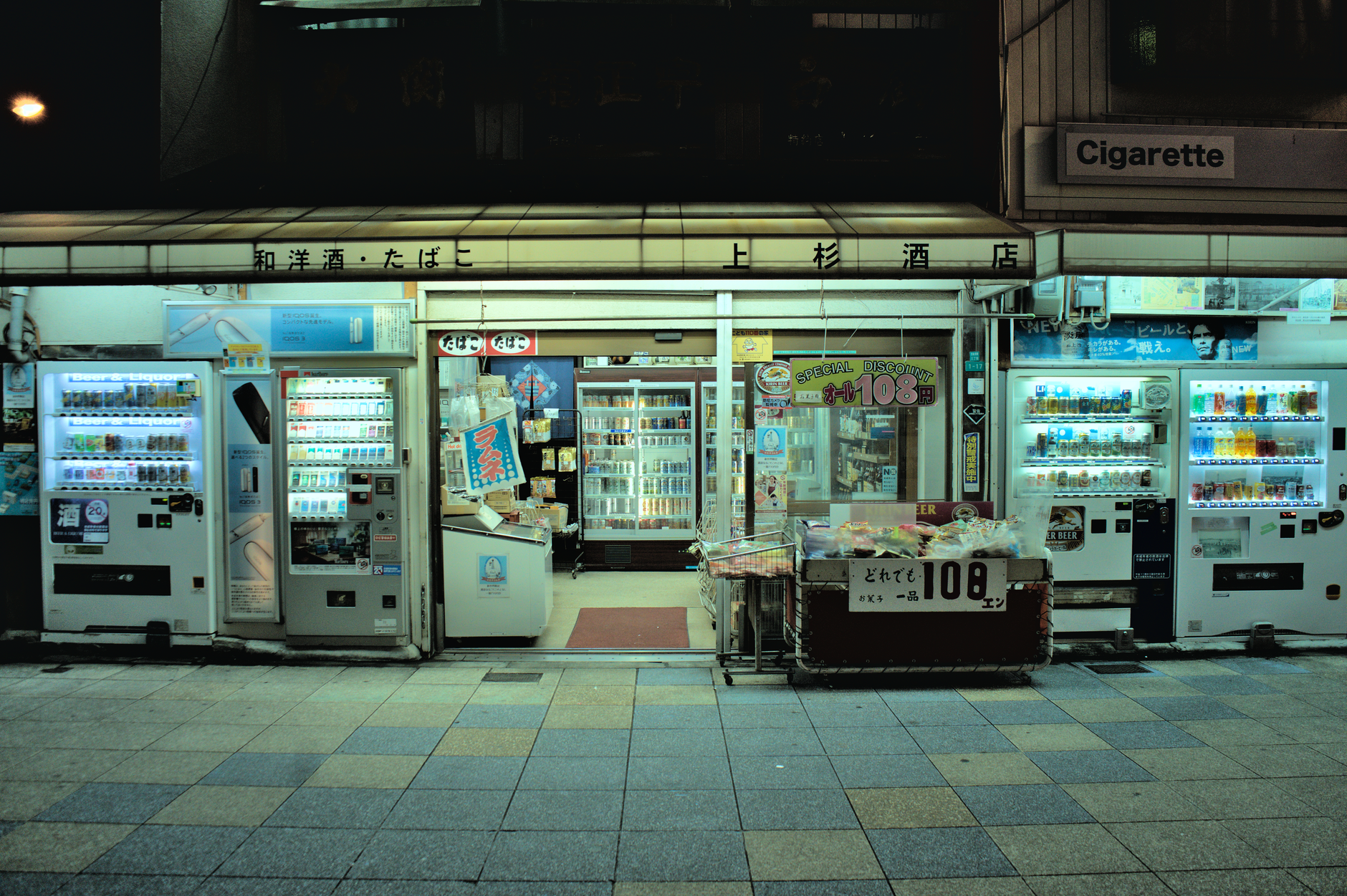
Toshifumi Suzuki, the man who fundamentally reshaped Japan’s retail landscape and transformed Seven-Eleven into the ubiquitous convenience store chain it is today, has died at the age of 91. While often described as a convenience store magnate, Suzuki’s influence extended far beyond just snacks and drinks; he pioneered a unique franchise model and innovative supply chain management system that became a case study in business schools worldwide and had a significant impact on the Japanese economy. His death marks the end of an era for Japanese retail and leaves a lasting legacy of efficiency, adaptation, and customer focus.
From Ito Yokado to Seven-Eleven: A Retail Transformation
Suzuki’s career began not with Seven-Eleven, but with Ito Yokado, a Japanese department store chain (now part of Seven & i Holdings). He joined Ito Yokado in 1963 and quickly rose through the ranks, demonstrating a keen understanding of consumer behavior and a talent for logistical efficiency. It was during a 1973 trip to the United States that Suzuki encountered the 7-Eleven store concept – a relatively new idea at the time.
Impressed by the potential, Suzuki secured the rights to franchise 7-Eleven stores in Japan. However, simply replicating the American model proved challenging. Japanese consumers had different preferences, and the existing retail landscape was significantly different. This is where Suzuki’s genius truly shone. He didn’t merely copy the American formula; he reinvented it for the Japanese market.
The Suzuki Revolution: Franchising and Supply Chain Innovation
Suzuki’s most significant contribution was adapting the 7-Eleven franchise model for Japanese society. In the US, 7-Eleven franchisees were primarily independent operators. In Japan, Suzuki created a system where franchisees were more like quasi-employees of Ito Yokado.
Here’s a breakdown of the key differences and innovations:
- Franchisee Selection: Ito Yokado (and later Seven & i Holdings) carefully selected franchisees, often choosing motivated individuals who lacked extensive business experience. This allowed the company to instill its operational standards and ensure consistency across all stores.
- Ito Yokado Ownership: The company owned the land and buildings, leasing them to franchisees. This provided a stable revenue stream and allowed for greater control over store locations.
- Centralized Procurement & Distribution: Ito Yokado established a highly sophisticated centralized procurement and distribution system. This ensured a consistent supply of fresh goods and optimized inventory management, significantly reducing waste – a major challenge for a convenience store format.
- Daily Deliveries: Suzuki implemented a system of daily deliveries to each store, replenishing shelves with fresh food, beverages, and other products. This was revolutionary at the time and allowed 7-Eleven to offer a wider variety of products, including freshly prepared meals.
- Data-Driven Operations: Suzuki utilized point-of-sale (POS) data to track sales trends and optimize inventory. This allowed stores to stock the products that were most in demand in their local areas.
This innovative approach wasn’t just about providing convenience; it was about building a highly efficient and responsive retail network. It allowed 7-Eleven to offer a wider range of services than traditional convenience stores, including bill payment, ATM access, and photocopying.
Impact on the Japanese Economy and Financial Performance
The Suzuki-led transformation of Seven-Eleven had a profound impact on the Japanese economy. The chain created hundreds of thousands of jobs, both directly and indirectly, and played a crucial role in supporting local communities.
Here’s a look at some of the key financial impacts:
| Metric | Early 1970s (Pre-Suzuki) | Late 2010s (Post-Suzuki Revolution) |
|---|---|---| | Number of 7-Eleven Stores in Japan | ~70 (under previous ownership) | Over 21,000 | | Revenue (Seven & i Holdings) | Relatively small | Trillions of Yen | | Profit Margin | Low | Significantly Increased | | Franchisee Success Rate | Moderate | High (attributed to the supportive franchise model) |
The success of Seven-Eleven also inspired other companies to adopt similar franchise models and supply chain innovations, driving efficiency and competition across the Japanese retail sector. The model also contributed to the rise of ‘just-in-time’ inventory management, a concept highly influential in lean manufacturing and business practices globally. For those wanting to learn more about the core principles behind this, a good starting point is understanding lean methodologies.
Beyond Convenience: Expansion into Financial Services
Suzuki’s vision extended beyond simply selling groceries and snacks. He recognized the potential of 7-Eleven stores as hubs for financial services. He spearheaded the introduction of ATMs, bill payment services, and even banking partnerships within the stores. This positioned Seven-Eleven as a vital part of the financial infrastructure for many Japanese citizens, especially in areas with limited access to traditional banking services. This further solidified the brand's importance in daily life.
Challenges and Succession
The path to success wasn’t without its challenges. 7-Eleven faced criticism over the working conditions for franchisees, and concerns were raised about the pressure placed on them to maintain strict operational standards. Suzuki himself acknowledged these issues in later years and advocated for improvements in the franchise system.
In 2016, Suzuki stepped down from his position as Chairman of Seven & i Holdings, handing the reins to Ryuichi Isiguro. Despite relinquishing his formal role, Suzuki remained a respected figure within the company and the broader Japanese business community. His influence continued to be felt through the enduring success of the Seven-Eleven model.
Legacy and Future of Seven-Eleven
Toshifumi Suzuki’s legacy is undeniable. He transformed a relatively obscure American convenience store concept into a Japanese retail behemoth. He demonstrated the power of innovation, adaptation, and a relentless focus on customer needs. His supply chain innovations are still studied in business schools today, and his franchise model continues to be emulated around the world.
The future of Seven-Eleven Japan is likely to involve further expansion of its digital offerings and a continued focus on providing innovative solutions to meet the evolving needs of Japanese consumers. Keeping up with current financial trends is essential for anyone interested in the retail sector. The company will need to navigate challenges such as an aging population and increasing competition from online retailers, but the foundations laid by Toshifumi Suzuki are solid, ensuring that Seven-Eleven will remain a dominant force in the Japanese retail landscape for years to come. His vision wasn't just about convenience stores, it was about building a system that seamlessly integrated into the fabric of modern Japanese life.
Disclaimer
This article contains affiliate links. If you purchase a product or service through these links, we may receive a commission. This does not affect the price you pay. We only recommend products and services that we believe are valuable and relevant to our readers.