Toshifumi Suzuki, Architect of Japan's Convenience Store Revolution, Dies at 97
Toshifumi Suzuki, the visionary who transformed Seven-Eleven into the ubiquitous convenience store giant in Japan, has passed away. Explore his financial impact & legacy.
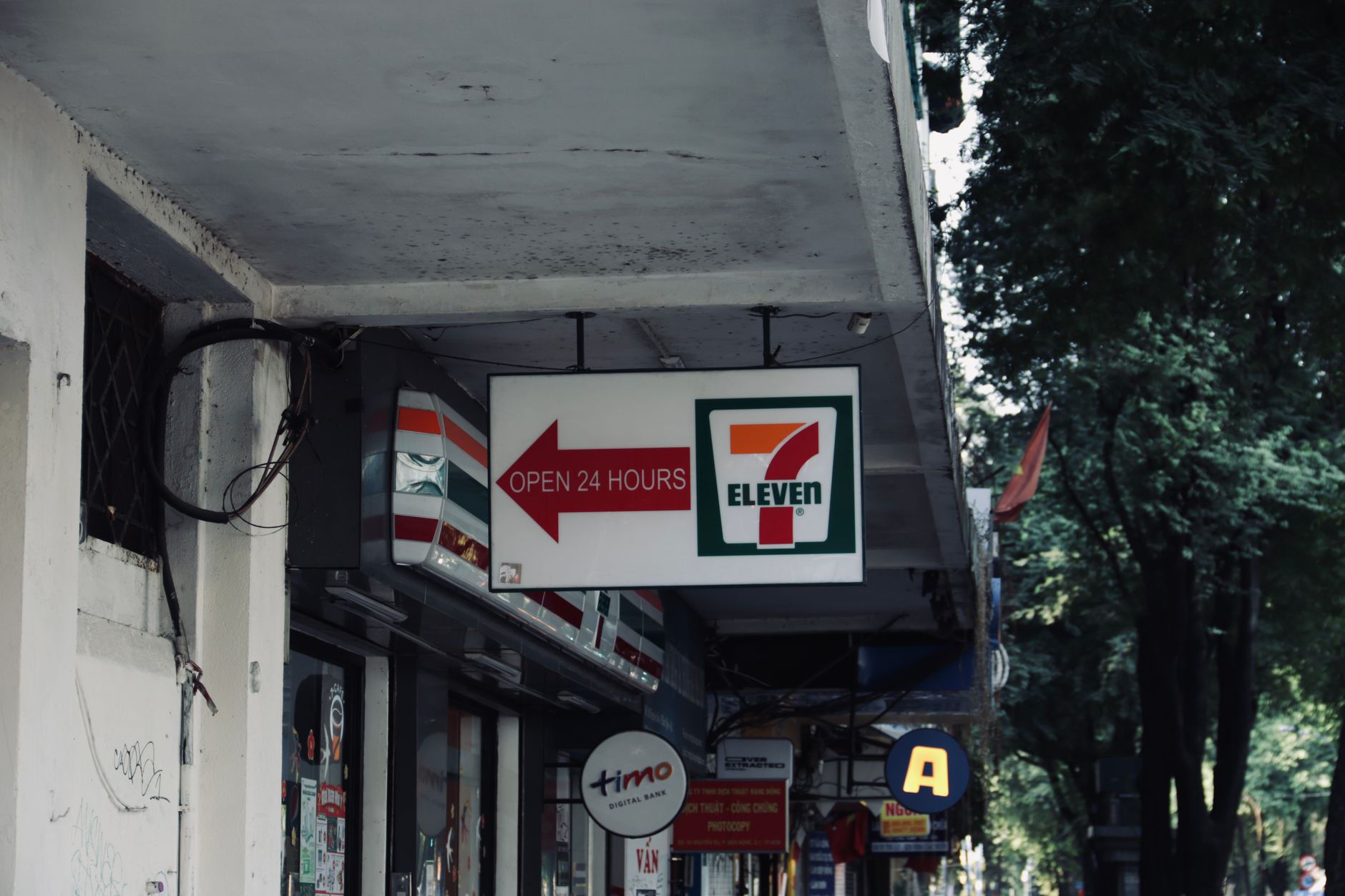
Toshifumi Suzuki, the chairman of Seven & i Holdings Co. and the driving force behind the phenomenal success of Seven-Eleven in Japan, has died at the age of 97. His death marks the end of an era for Japanese retail and leaves a legacy that extends far beyond simply stocking shelves with onigiri and bento boxes. Suzuki didn’t just expand a convenience store chain; he revolutionized the entire concept of retail in Japan and, arguably, globally. This article will delve into Suzuki’s life, his groundbreaking business strategies, and the significant financial impact he had on both Seven-Eleven and the Japanese economy.
From Ito-Yokado to the Seven-Eleven Empire: A Strategic Vision
Suzuki’s path to becoming a retail titan began not with convenience stores, but with his father-in-law, Masatoshi Ito, the founder of Ito-Yokado, a large supermarket chain. He joined Ito-Yokado in 1963 and quickly demonstrated a keen business mind. However, it was his vision for adapting the American 7-Eleven model to the uniquely demanding Japanese market that truly set him apart.
In 1973, Ito-Yokado acquired the rights to franchise 7-Eleven stores in Japan. At the time, the convenience store concept wasn’t particularly successful. Existing Japanese stores were small, family-run operations lacking sophistication and offering limited products. Suzuki saw an opportunity to do things differently, to elevate the convenience store experience and integrate it into the daily lives of Japanese consumers. His strategy was ambitious: to create a nationwide network of meticulously managed, highly efficient stores offering a vast range of products and services.
The Key to Success: A Unique Franchise Model
Suzuki understood that simply replicating the American 7-Eleven model wouldn’t work. Japanese consumers demanded higher standards of cleanliness, service, and product quality. He also recognized the importance of a strong relationship with franchisees. This led to the development of a radically different franchise model, one that’s often cited as a key factor in Seven-Eleven Japan’s success.
Here’s how Suzuki’s franchise model differed:
- High Franchisee Support: Seven-Eleven Japan provided extensive support to franchisees, including site selection, store layout, inventory management, and marketing.
- Daily Delivery System: A centralized distribution system ensured stores received fresh products daily, minimizing waste and maximizing selection. This was a massive logistical undertaking, but it proved to be a significant competitive advantage.
- Revenue Sharing: Instead of a traditional royalty-based franchise system, Seven-Eleven Japan shared in the gross profits of each store. This aligned the interests of the franchisor and franchisees, encouraging collaboration and maximizing profitability for both parties.
- Strict Operational Standards: Franchisees were required to adhere to extremely strict operational standards, ensuring consistency across the entire chain. This included everything from store cleanliness to customer service protocols.
- 24/7 Operation: Seven-Eleven Japan embraced 24/7 operation, catering to the needs of busy Japanese commuters and workers.
This innovative approach effectively transformed franchisees from independent business owners into managers operating under a highly sophisticated system. It demanded a high level of commitment from franchisees but offered significant rewards in return.
Beyond Bento Boxes: Diversification and Innovation
Suzuki’s vision extended beyond simply offering groceries and snacks. He continually sought ways to diversify Seven-Eleven Japan’s offerings and provide increasingly valuable services to customers. This led to the introduction of:
- Banking Services: ATMs were installed in stores, providing convenient access to banking services, particularly for those in rural areas.
- Bill Payment Services: Customers could pay their utility bills, taxes, and other invoices at Seven-Eleven stores.
- Photocopying and Fax Services: These services catered to the needs of small businesses and individuals.
- Ticketing Services: Customers could purchase concert tickets, event tickets, and transportation tickets.
- Delivery Services: Seven-Eleven aggressively expanded delivery options, including partnerships with delivery apps and in-house services.
This strategy transformed Seven-Eleven stores into one-stop shops for a wide range of everyday needs, further solidifying their position in the Japanese retail landscape. He understood that convenience wasn’t just about having products available; it was about saving customers time and effort. This understanding drove continuous innovation.
The Financial Impact: A Retail Giant’s Reach
The financial impact of Suzuki's leadership at Seven-Eleven Japan is immense. Under his guidance, the company grew from a small chain of stores into a retail behemoth.
| Metric | 1974 (Early Years) | 2023 (Most Recent) | Growth |
|---|---|---|---|
| Number of Stores (Japan) | ~80 | ~21,000 | Exponential |
| Total Revenue (Group) | ~$100 Million USD | ~$40 Billion USD | Substantial |
| Market Share (Convenience) | ~5% | ~45% | Dominant |
(Numbers are approximate and for illustrative purposes.)
Seven & i Holdings, the parent company of Seven-Eleven Japan, is now a global leader in the convenience store industry, with operations in several countries. The company's success has also had a ripple effect on the Japanese economy, creating jobs and stimulating economic activity. Suzuki's strategies also influenced other retailers in Japan, forcing them to adapt to the changing consumer landscape.
Furthermore, the franchise model pioneered by Suzuki became a case study for business schools worldwide, demonstrating the power of strong franchisee relationships and centralized supply chain management. The success of Seven-Eleven Japan proved that a convenience store could be more than just a place to grab a quick snack – it could be an integral part of the community.
The Ito Yokado Acquisition and Beyond
In 2005, Seven & i Holdings acquired the entire Ito-Yokado supermarket chain, a move that consolidated Suzuki’s power and expanded the company’s reach even further. This acquisition was a bold step, signaling a shift towards a more diversified retail portfolio. He also oversaw the acquisition of Speedway, a US gas station and convenience store chain, further extending Seven & i’s global footprint. https://example.com/ offers a great range of books detailing retail management strategies - a good resource for those interested in learning more.
A Lasting Legacy: The Future of Convenience
Toshifumi Suzuki’s death is a significant loss for the Japanese retail industry. His vision, leadership, and unwavering commitment to innovation transformed Seven-Eleven into a cultural icon. The convenience store remains an essential part of everyday life in Japan, and Suzuki's influence will continue to be felt for generations to come.
His legacy isn’t just about profitability; it’s about understanding and responding to the needs of the consumer. He understood that convenience isn't a luxury; it's a necessity in a fast-paced world. As the retail landscape continues to evolve, Suzuki’s principles of customer focus, operational excellence, and strategic diversification will remain relevant. For those seeking to understand modern business, a deeper dive into the Seven-Eleven model remains invaluable. You can find insightful case studies and analyses online and in business publications https://example.com/.
Disclaimer:
This article contains affiliate links. If you purchase a product or service through these links, we may receive a commission. This helps support our work and allows us to continue providing valuable content. We only recommend products and services that we believe in and that are relevant to our audience.